pasture
-
Low-Stress Moves: Handling Livestock Safely in Frozen Pastures
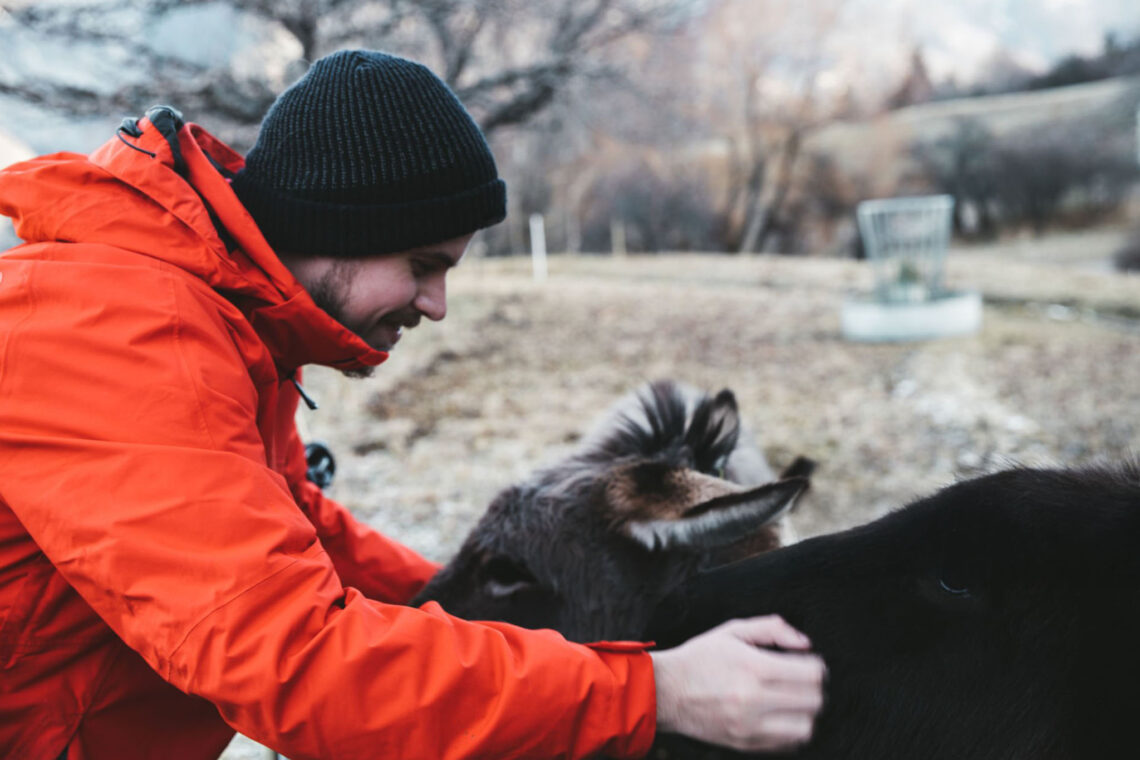
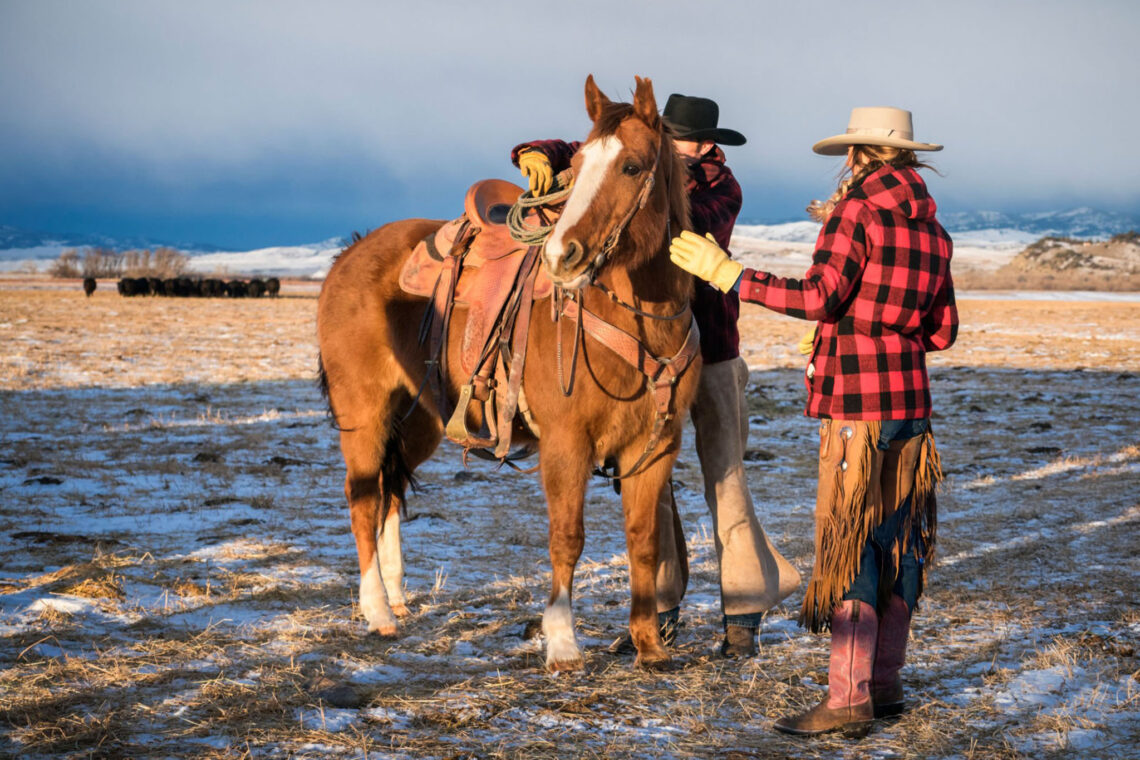
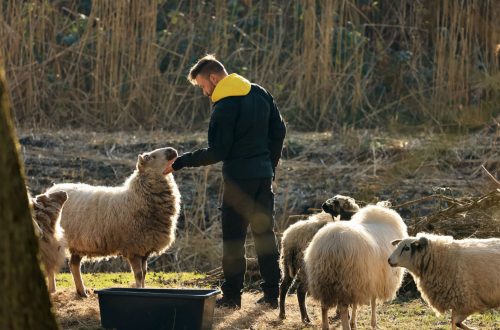
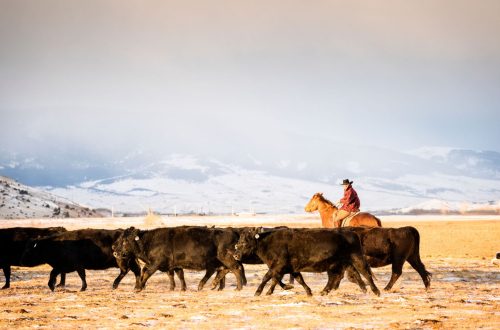
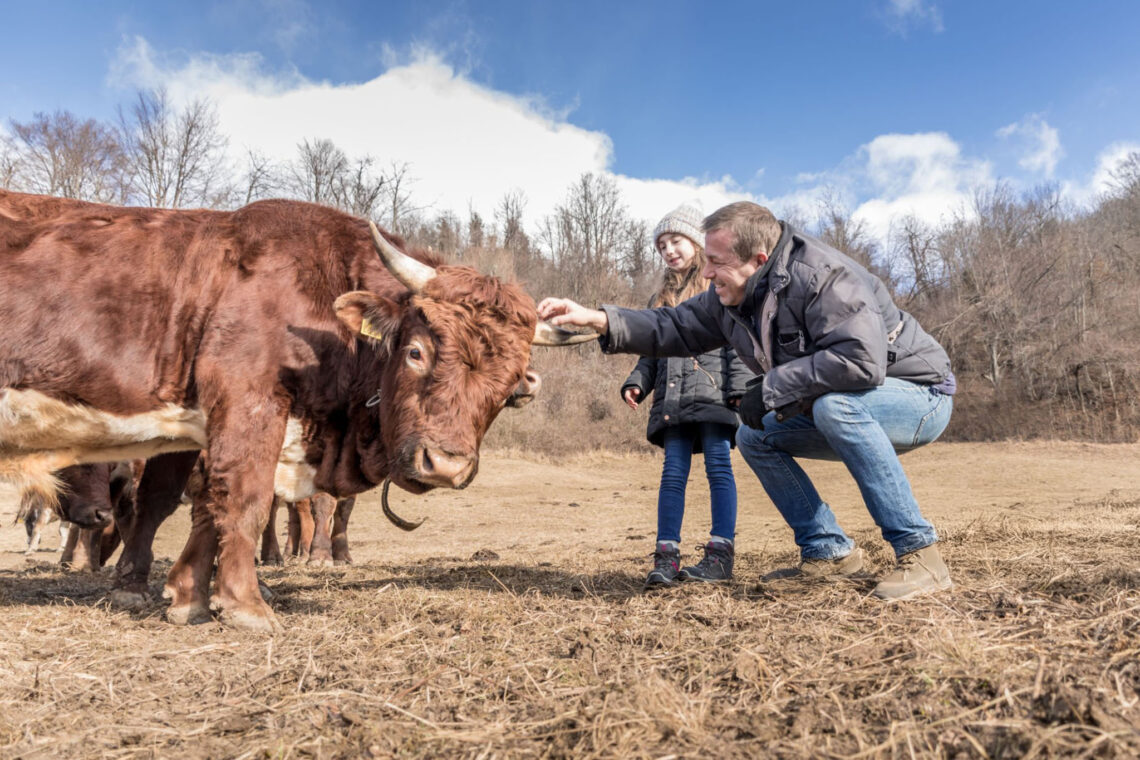
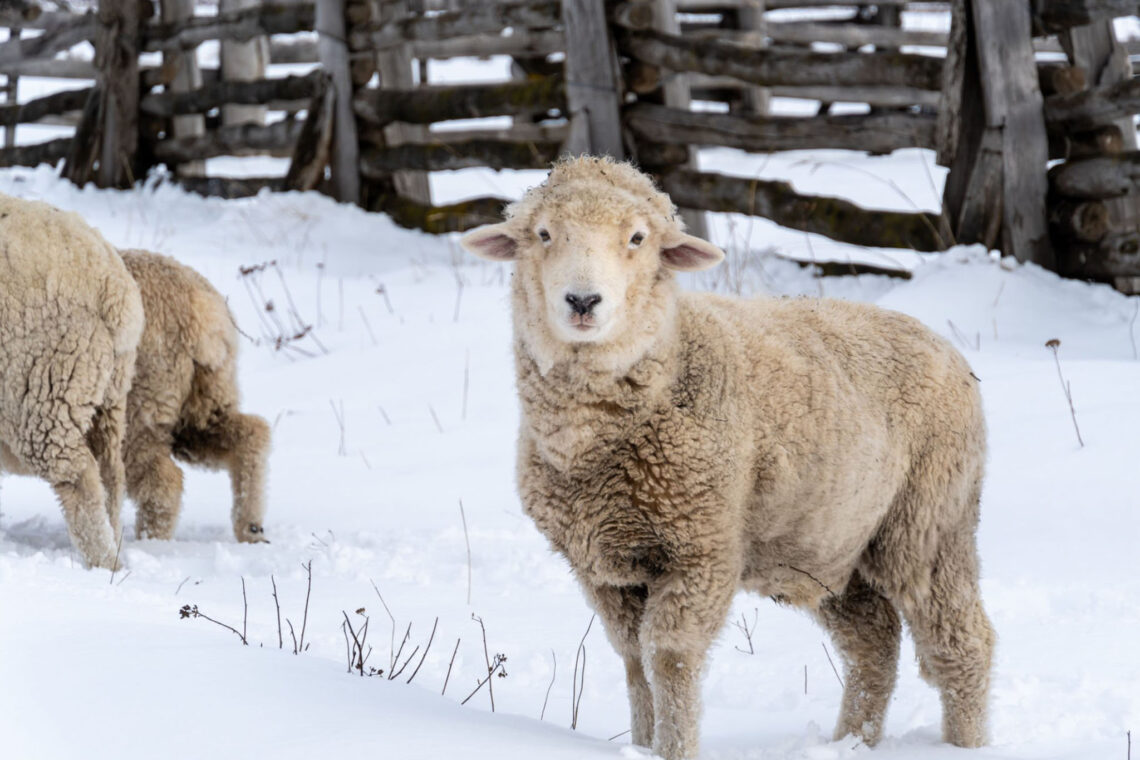
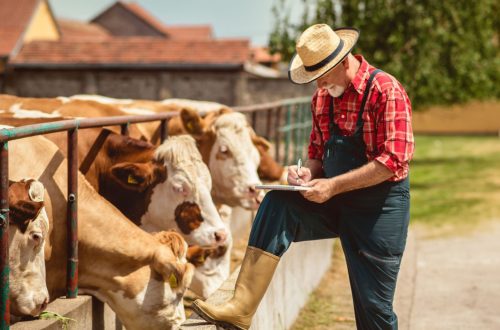
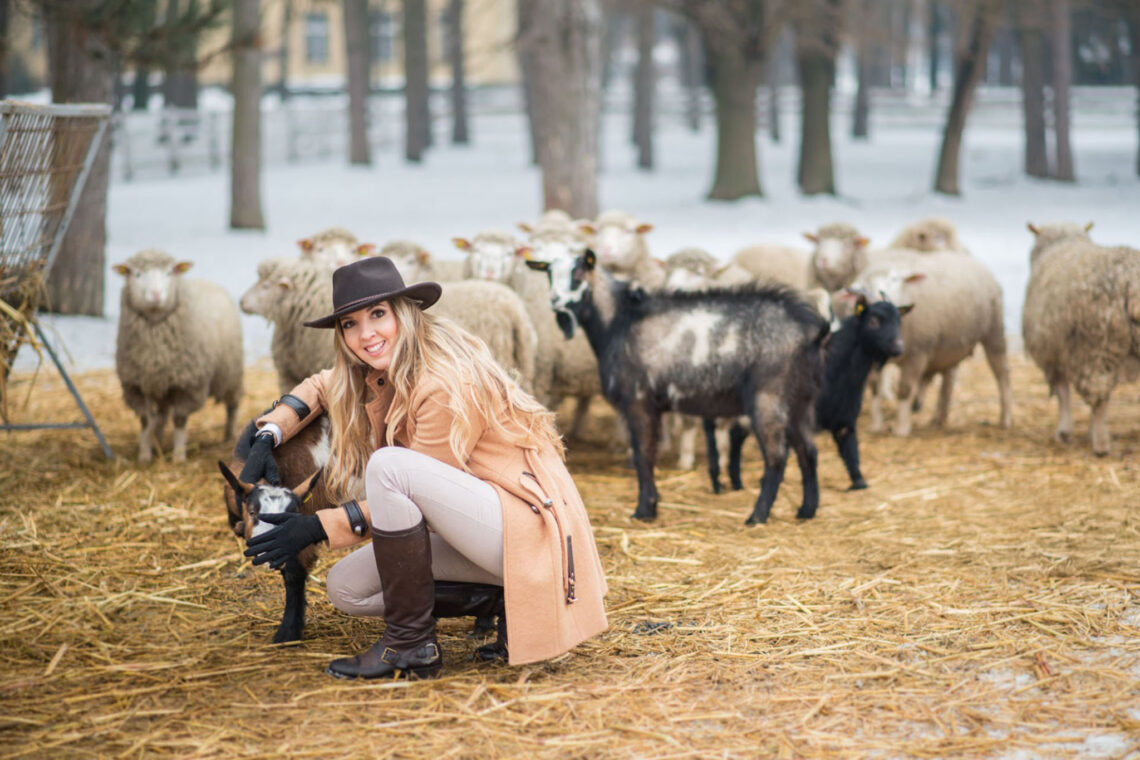
When winter settles across the countryside and pastures turn to slick, frozen ground, the job of moving livestock becomes a whole new challenge. Icy footing, cold-stiffened cattle, and limited daylight can turn even routine handling into risky situations for animals and ranchers alike. That’s why low-stress livestock handling isn’t just a philosophy during winter—it’s a necessity. If you’re working cattle, sheep, goats, or even bison in subfreezing conditions, these practices will help you keep animals calm, prevent injuries, and maintain control across frozen pastures. 1. Why Low-Stress Handling Matters Even More in Winter Cold weather does more than chill livestock—it changes their behavior. Winter Conditions Increase Risk Under these conditions,…
-
Cold-Weather Calving: What Ranchers Need to Prep Before the First Freeze
Cold snaps can turn a routine calving season into a high-stakes challenge. When temperatures dip, wet newborn calves lose heat fast, and frozen ground can increase stress on both cows and ranchers. That’s why successful cold-weather calving isn’t about reacting to storms—it’s about preparing for them long before the first freeze hits. Whether you’re managing a small family ranch or hundreds of head across wide-open pastures, here’s everything American ranchers should have dialed in before winter locks in. 1. Assess the Herd Early and Sort Before Weather Turns Preparation begins with the cows themselves. Before temperatures fall: ✔ Body Condition Scores (BCS) Cows entering late gestation in poor condition struggle…
You May Also Like
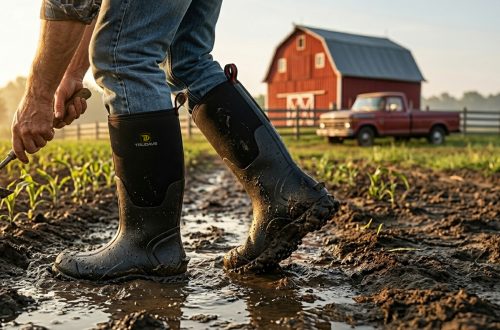
The $30 Rain Boot Tax: Why Buying “Cheap” Is the Most Expensive Mistake You’ll Make
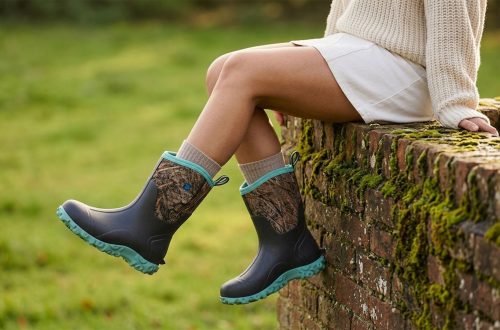
Best Boots for Golf Course Groundskeeping: Waterproof Footwear for Wet Grass, Irrigation, Mud, and Long Maintenance Shifts
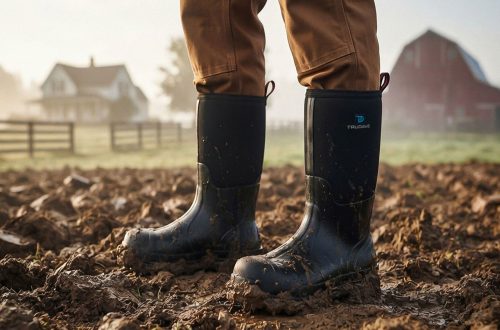
Best Boots for Poultry Farm Work: Waterproof Footwear for Chicken Houses, Wet Barns, Washdown, and Daily Farm Chores
-
The Last Green Push: Cold-Hardy Veggies You Can Still Plant Right Now
When winter creeps closer and frost whitens the edges of every fence post, most gardeners assume the growing season is done. But the cold months still hold one last opportunity—a final green push before winter fully claims the soil. With the right cold-hardy vegetables, you can plant now and enjoy fresh greens well into early winter, or set the stage for a strong harvest as soon as spring returns. Even in late fall or early winter, your garden has more potential than you think. You just need the right crops, smart timing, and techniques that help roots stay active when everything else appears frozen and dormant. Why Late-Fall Planting Still…
-
From Frozen Soil to Fresh Herbs: Indoor Growing Tricks for December
When December settles in and the garden beds outside turn stiff and silent under layers of frost, it’s easy to assume your growing season is done. But winter doesn’t have to signal the end of fresh flavor. With the right indoor techniques, you can transform frozen outdoor soil into a thriving indoor herb oasis—one that keeps your kitchen packed with basil, rosemary, mint, chives, cilantro, and more, all winter long. Indoor herb growing in December is more than just a workaround. It’s a smart, efficient way to stay connected to your garden, boost home self-sufficiency, and enjoy ingredients that taste nothing like the store-bought, plastic-wrapped version. Here’s how to make…
-
Early Winter Feeding: Balancing Nutrition When Pastures Freeze
As early winter sets in and pastures begin to freeze, ranchers face a critical challenge: ensuring that livestock continue to receive balanced nutrition while adapting to limited forage availability. Proper feeding strategies during this transitional period not only maintain animal health and body condition but also prevent costly weight loss and health complications later in the season. Why Early Winter Nutrition Matters Freezing temperatures significantly reduce the availability and quality of pasture forage. When grass and other forage sources are frozen or covered in frost, animals expend extra energy to stay warm, which increases their caloric requirements. Failing to adjust feeding routines can result in: Starting winter feeding adjustments early…
-
Shelter Smarts: Affordable Barn Upgrades for Cold Months
As winter temperatures drop, ensuring that your livestock has a warm, safe, and efficient shelter becomes a top priority. Harsh winds, snow, and freezing conditions can stress animals, reduce feed efficiency, and increase the risk of illness. But winter-proofing your barn doesn’t have to break the bank. With a few smart, cost-effective upgrades, you can create a cozy, functional space that protects your herd throughout the cold months. Why Winter Barn Upgrades Matter Cold stress affects both livestock health and farm productivity. When animals expend energy to stay warm, they eat more feed and may lose body condition, especially in prolonged cold spells. A well-prepared barn helps: Key Affordable Upgrades…
-
Cover Crops That Survive: Choosing the Best Plants for Late Fall Planting
As the days grow shorter and temperatures begin to drop, many gardeners might assume it’s time to let their soil rest. However, late fall is the perfect time to plant cover crops—also known as green manure—to protect your soil, improve fertility, and set the stage for a productive spring. Choosing the right cold-hardy cover crops ensures that your garden continues to thrive, even as the temperatures dip. Why Plant Cover Crops in Late Fall? Planting cover crops in late fall offers multiple benefits: Key Factors When Choosing Late-Fall Cover Crops When selecting cover crops for late fall, gardeners should consider: Best Cold-Hardy Cover Crops for Late Fall Here are some…
-
Late-Season Harvest: Extending Your Garden’s Productivity Before Snow
As winter approaches, many gardeners reluctantly watch their hard-earned crops fade. But just because the calendar edges toward frost doesn’t mean your garden season has to end. With strategic planning, careful plant selection, and smart techniques, you can extend your harvest well into late fall and even early winter. This guide walks you through actionable tips to make the most of your garden before the snow settles in. Understanding Your Garden’s Late-Season Window The late-season garden is all about timing. Different vegetables, herbs, and even fruits have varying tolerances to cold and frost. Knowing the first expected frost date in your region is crucial. This allows you to select crops…
-
Low-Temp Calving Prep: Setting Up Warm Zones Before a Surprise Birth
Winter calving can test even the most seasoned rancher. When temperatures dip below freezing and wind chill drives conditions into the danger zone, a surprise calving event can turn from routine to life-threatening in minutes. Newborn calves lose heat rapidly, and a cow struggling through labor in frozen conditions burns precious energy she needs for recovery. That’s why preparing warm zones before calving season begins—or before the next cold front hits—is one of the smartest, most cost-efficient winter strategies a rancher can make. This guide breaks down exactly how to build them, where to place them, and how to maintain them through unpredictable winter weather. Why Low Temps Turn Calving…
-
Wind-Chill Warriors: Building Low-Cost Shelter That Actually Holds Heat
When winter storms settle over your homestead, wind chill becomes a bigger enemy than snow or ice. It steals heat from barns, dries out soil, stresses livestock, and can kill tender perennials overnight. But here’s the good news: you don’t need a high-end greenhouse or insulated outbuilding to fight it. With a little planning and a handful of budget-friendly materials, you can build wind-resistant, heat-holding shelters that protect your animals, your plants, and your peace of mind all winter long. This guide breaks down practical, low-cost structures that perform exceptionally well in real-world cold—especially the deep freezes and sudden temperature swings common across the U.S. from December through February. Why…