pasture
-
Garden Bed Reset: Preparing Soil for a Strong Spring Start
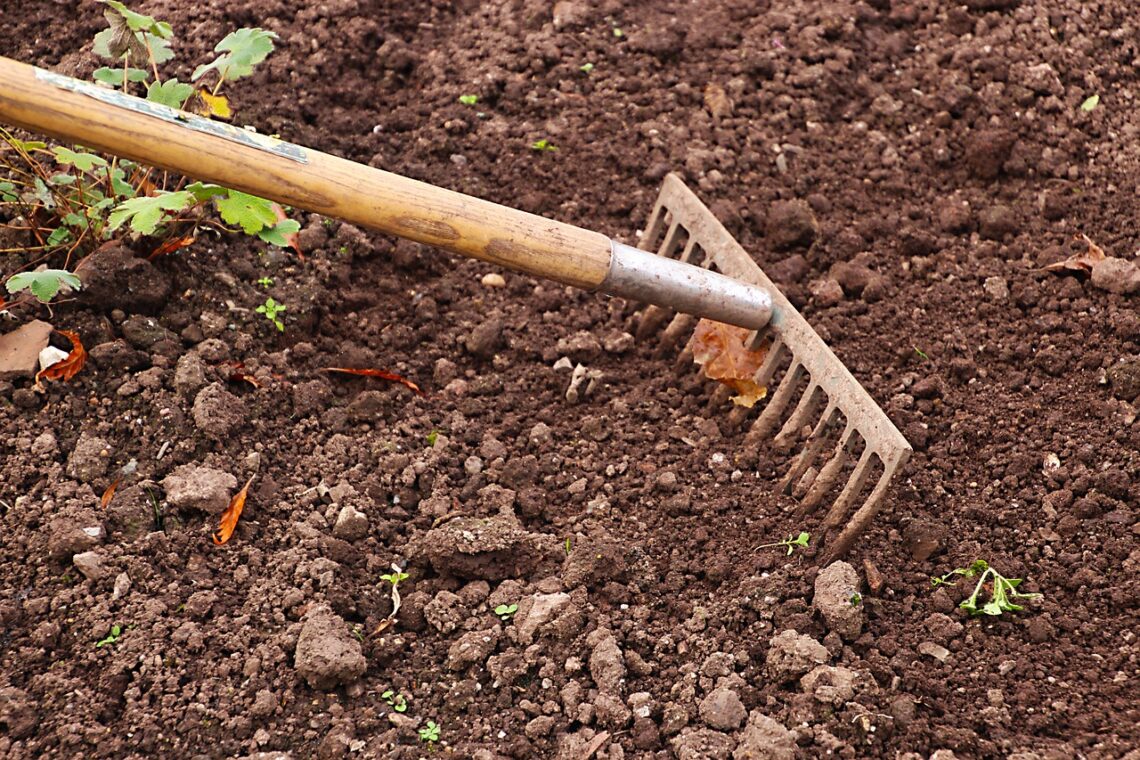
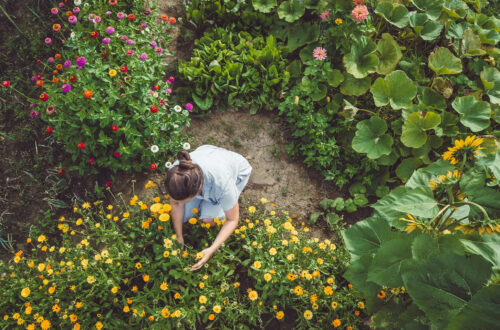
As the gardening season winds down, many growers turn their attention to one of the most important tasks of the year: resetting garden beds. A thoughtful fall reset doesn’t just tidy up the landscape; it lays the foundation for healthier, more productive crops in the spring. By taking time to prepare the soil now, you’ll be rewarded with stronger root systems, higher yields, and fewer pest and weed problems when warm weather returns. In this guide, we’ll walk through the key steps to resetting your garden beds in fall and early winter so your soil is primed for a vibrant spring start. Why a Fall Garden Bed Reset Matters Many…
-
Leaf Mold Magic: Turning Autumn Piles into Rich Garden Soil
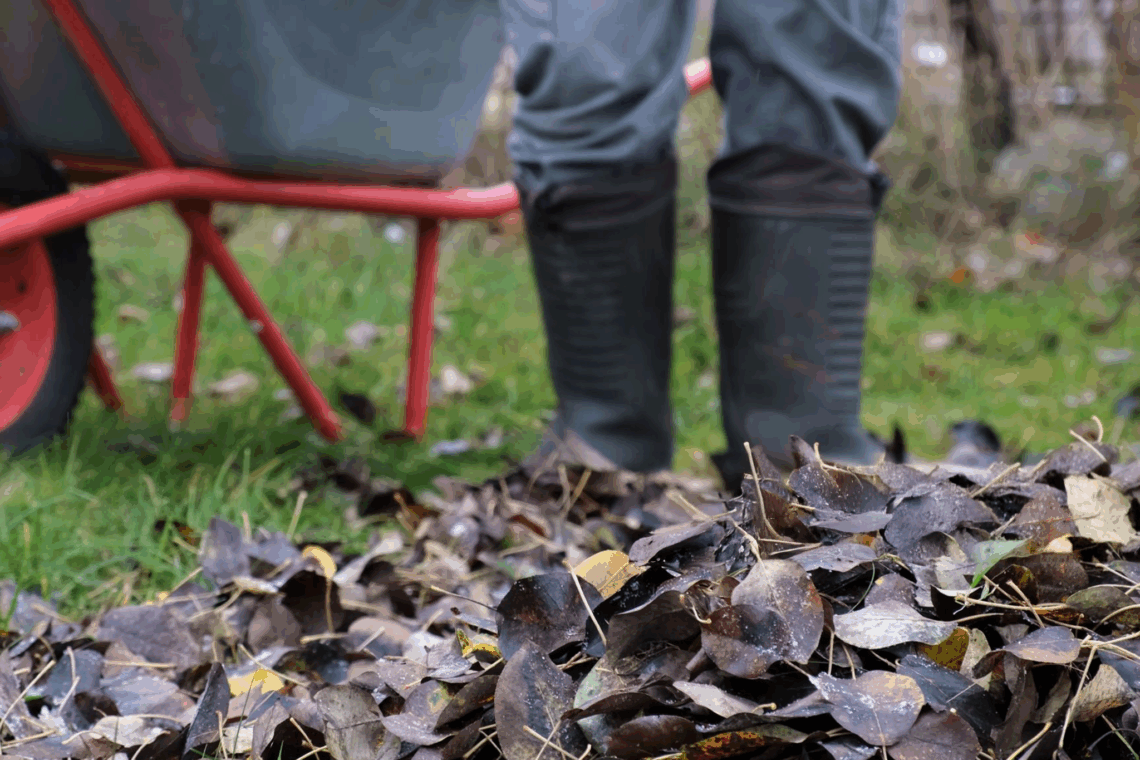
As autumn leaves drift to the ground, many homeowners see them as a messy chore to rake up and discard. But savvy gardeners know that those colorful piles hold a secret treasure: leaf mold. This dark, crumbly, earthy-smelling material is one of the best soil conditioners you can add to your garden. It’s free, natural, and simple to make—all while keeping waste out of landfills. In this guide, we’ll explore what leaf mold is, why it’s so valuable, and how you can transform autumn leaves into rich garden gold that sets your soil up for long-term success. What Is Leaf Mold? Leaf mold is created when leaves break down through…
-
Late-Fall Mulching: Insulating Garden Beds for Winter Survival
As autumn winds down and the last leaves fall, many gardeners assume their work is done until spring. But late fall offers one of the most critical opportunities to protect your garden: mulching. Applying mulch at this time of year creates an insulating layer that shields soil and plant roots from the harsh swings of winter weather. Done right, late-fall mulching can mean the difference between plants that limp through spring and those that burst back with vigor. This guide will walk you through why mulching matters in late fall, the best materials to use, application techniques, and common mistakes to avoid—so your garden beds thrive when warm weather returns.…
-
Pruning Perennials: Setting the Stage for Vigorous Spring Growth
When the days grow shorter and the air turns crisp, most gardeners begin to wind down their outdoor chores. But fall is far from the end of the gardening season—it’s actually the perfect time to prepare perennials for a healthy comeback in spring. Pruning perennials during this transitional period helps improve plant health, control disease, and encourage vigorous growth once the soil warms again. In this guide, we’ll cover why pruning matters, which perennials benefit most from fall maintenance, and how to prune them effectively for long-term success. Why Pruning Perennials Matters Perennials return year after year, but they don’t always thrive without some seasonal care. By pruning in fall,…
-
Fall Parasite Control: Protecting Your Herd as Temperatures Drop
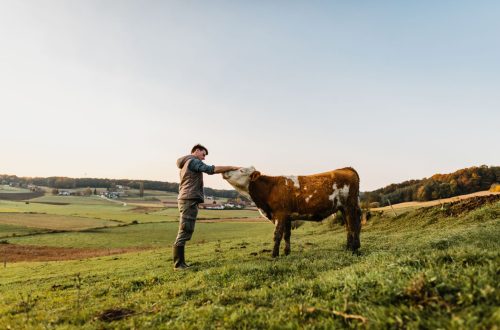
As summer fades and cooler weather rolls in, many ranchers assume the threat of parasites also fades with the heat. But fall is one of the most critical seasons for parasite management. Internal and external parasites don’t disappear overnight when temperatures drop—they often linger, and in some cases, they thrive under the right conditions. A strong parasite control plan in fall not only protects your herd’s health through winter but also sets cattle up for better performance in the coming spring. Why Parasite Control Matters in Fall Cattle exposed to heavy parasite loads during autumn may enter winter underweight, stressed, and more susceptible to illness. Parasites rob cattle of nutrients,…
-
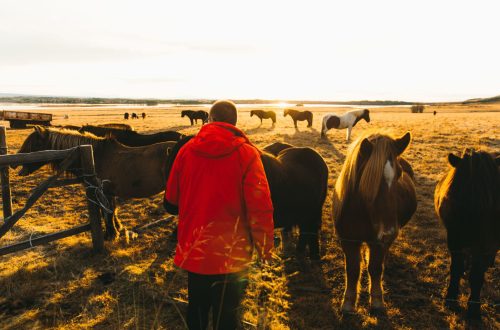
Rotational Grazing in Fall: Extending Pasture Life Before Winter
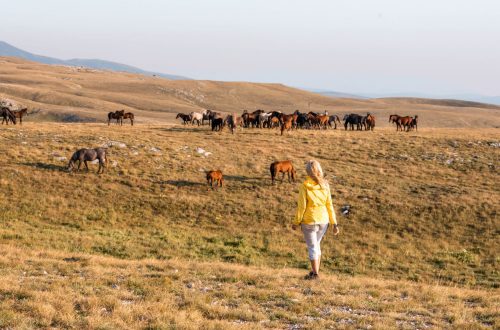
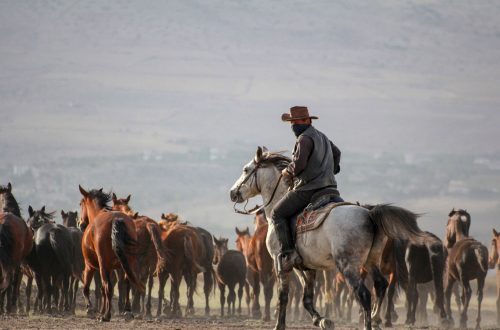
As autumn settles in and the first frosts begin to appear, livestock producers face the challenge of stretching pasture resources while preparing for the long winter ahead. Fall is one of the most critical times to make smart grazing decisions, and rotational grazing can make all the difference. By carefully managing when and where cattle graze, ranchers can extend pasture productivity, improve soil health, and reduce dependence on expensive stored feeds. In this article, we’ll break down why rotational grazing in fall is so effective, how to put it into practice, and tips for getting the most out of your land before winter sets in. Why Fall Rotational Grazing Matters…
-
Stockpiling Forage: How to Keep Cattle Fed Through Cold Snaps
When winter weather hits hard, cattle producers face one of their toughest challenges: keeping herds properly fed without breaking the bank on hay and supplements. That’s where stockpiling forage comes in. By planning ahead in late summer and fall, ranchers can extend their grazing season and maintain herd nutrition during cold snaps, all while cutting down on feed costs. What Is Stockpiling Forage? Stockpiling forage is the practice of allowing pasture grasses to grow during the late summer and fall, then reserving them for grazing in the winter months. Instead of harvesting hay, producers let forage accumulate in the field, where it can be grazed directly by livestock once traditional…
-
Fall Orchard Care: Pruning, Mulching, and Pest Control Essentials
As the days grow shorter and temperatures drop, fall becomes a pivotal season for orchard management. While many gardeners think of pruning and fertilizing in spring, autumn offers its own set of opportunities to prepare trees for winter dormancy and set them up for strong growth in the coming year. From pruning to mulching to pest management, fall orchard care is about protecting investments and ensuring long-term productivity. Why Fall Orchard Care Matters Fruit trees are perennial crops, meaning every year’s harvest depends on the health of the previous season’s growth. Neglecting orchard care in autumn can leave trees vulnerable to winter injury, disease, and poor fruit set the following…
-
Managing Manure in Autumn: From Waste to Garden Fertility
As autumn sets in and the growing season winds down, many homesteaders, ranchers, and gardeners face an important question: what to do with all that manure? Instead of viewing it as waste, autumn is the perfect time to turn livestock byproducts into a powerful tool for building soil fertility. Managed properly, manure applied in fall enriches the soil, prepares garden beds for spring planting, and reduces nutrient loss over winter. Why Autumn is the Ideal Season for Manure Management Fall offers several advantages for manure application: Composting vs. Raw Manure: Which Works Best? Not all manure should go straight into the garden. Knowing when to compost and when to apply…
-
Fall Grazing Strategies: Stretching Forage and Saving Hay
As the days grow shorter and temperatures begin to drop, ranchers face the challenge of keeping their herds fed while conserving valuable hay reserves. Fall is a transitional season—warm-season grasses are slowing down, while cool-season forages may still provide growth. By implementing smart grazing strategies now, you can stretch forage availability, maintain herd condition, and save hay for the harsher winter months. Here’s how to maximize your pastures and reduce feed costs with effective fall grazing strategies. Why Fall Grazing Management Matters Hay is often one of the biggest expenses in livestock production, and excessive winter feeding can eat into profits. Managing forage in the fall allows you to: Smart…