pasture
-
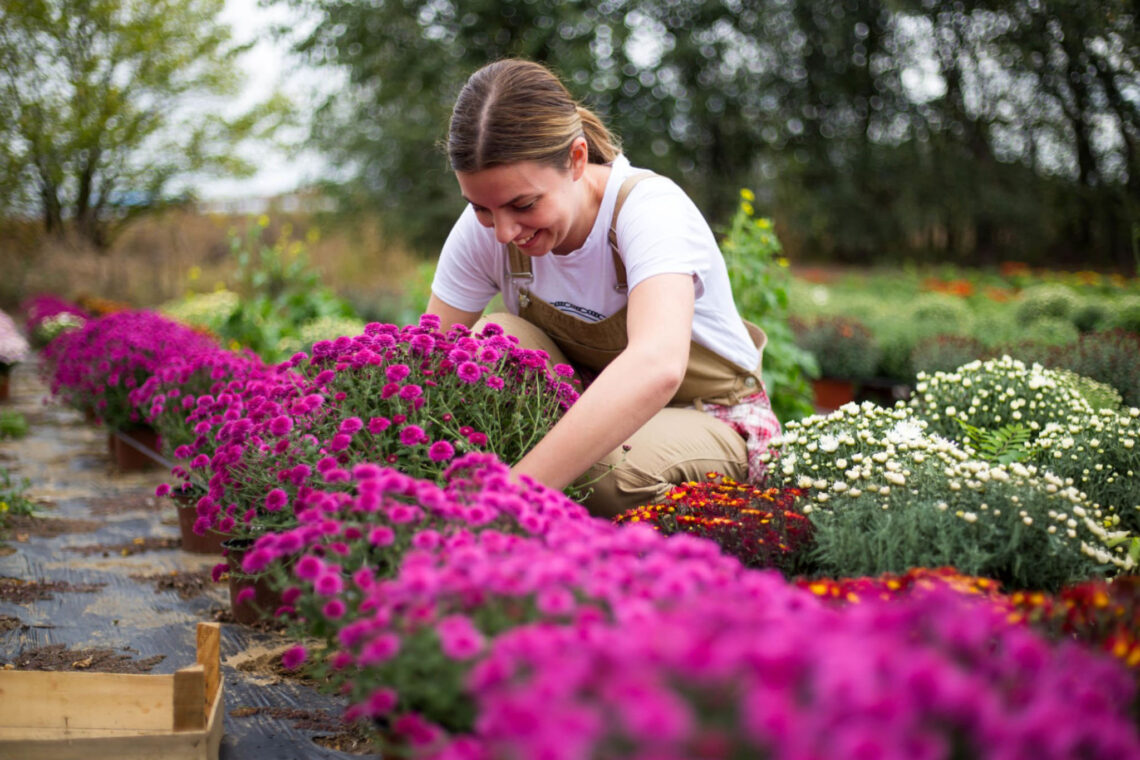
Why Fall Is the Best Time to Plant Trees and Perennials
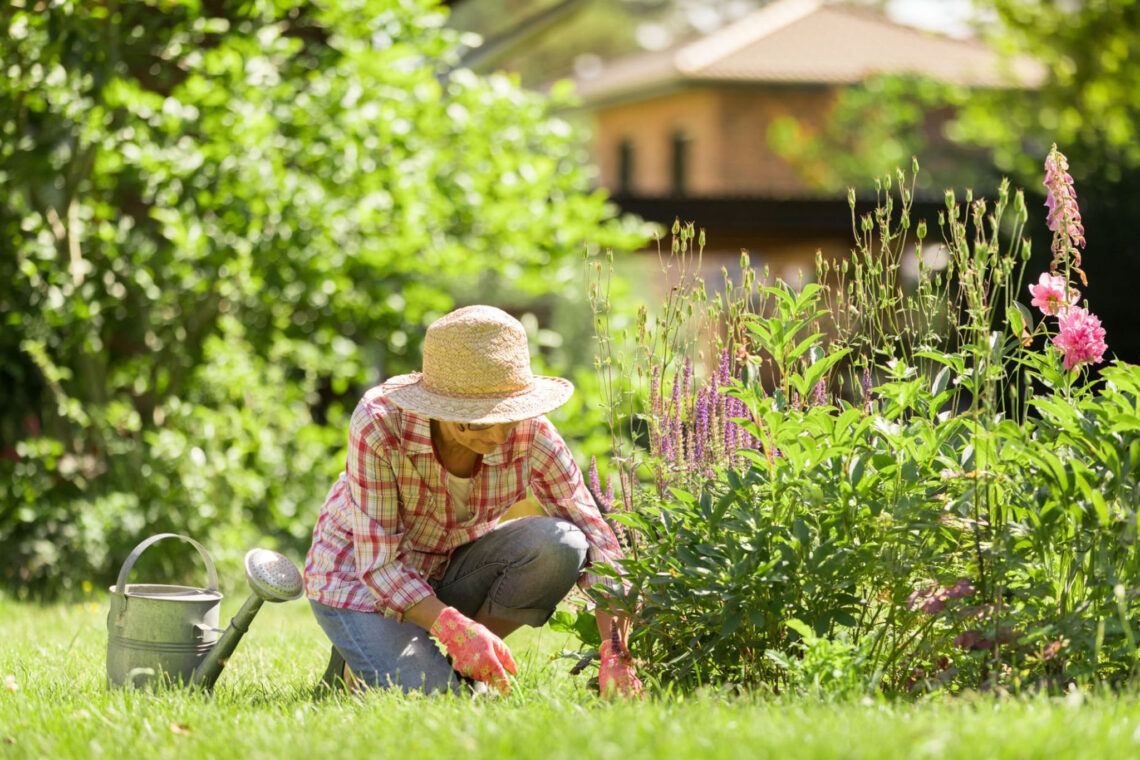
When most people think of planting trees and perennials, spring usually comes to mind. The season of renewal and growth feels like the natural time to dig holes and watch new plants take root. However, experienced gardeners and landscapers know that fall is actually the best time to plant trees and perennials. The cooler months give plants a head start, allowing them to establish strong root systems before the stress of summer heat arrives. The Science Behind Fall Planting Planting success often comes down to one factor: root development. In spring and summer, plants are busy producing leaves, flowers, and fruit, leaving less energy for root growth. In fall, however,…
-
Fall Garden Gold: Cool-Season Crops Every Homesteader Should Plant
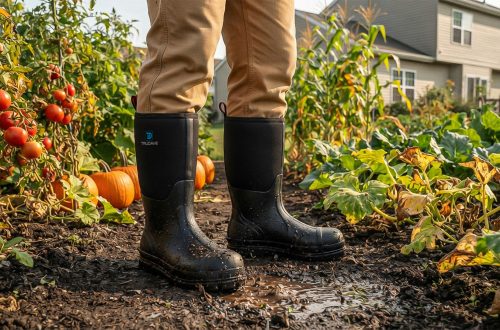
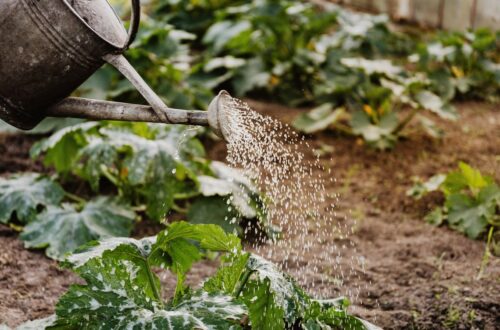
When most people think of gardening, they picture spring planting and summer harvests. But seasoned homesteaders know that fall gardens can be just as rewarding—sometimes even more so. With cooler nights, fewer pests, and the right choice of crops, autumn can produce a bounty of fresh vegetables that thrive where summer crops struggle. For those managing homesteads or backyard plots, fall gardening truly offers “gold” in the form of nutritious, hardy crops that carry well into winter. Why Fall Is a Prime Growing Season The cooler months bring several advantages for gardeners: Leafy Greens That Shine in Fall Leafy greens thrive in the cool, shorter days of autumn. They germinate…
-
Fall Fence Check: Simple Maintenance Steps Before Snow Arrives
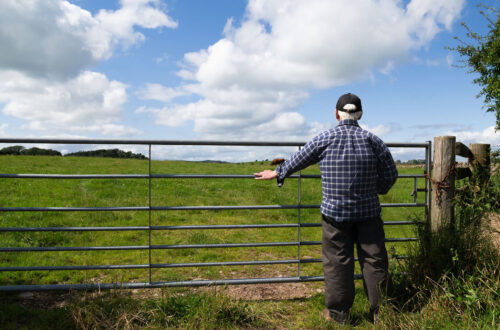
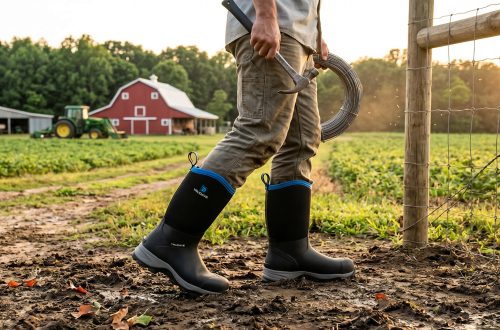
As the days grow shorter and the first frosts creep in, ranchers and homesteaders know one thing for certain: winter is coming fast. Before snow piles up and frozen ground makes outdoor work nearly impossible, it’s essential to perform a fall fence check. A few hours of maintenance in autumn can prevent costly repairs, keep livestock safe, and ensure that your property stays secure all winter long. Why Fence Maintenance in Fall Matters Winter is hard on fences. Heavy snow, ice buildup, and high winds can put immense pressure on posts and wires. Add in wildlife movement and the occasional curious cow, and it’s easy to see why poorly maintained…
-
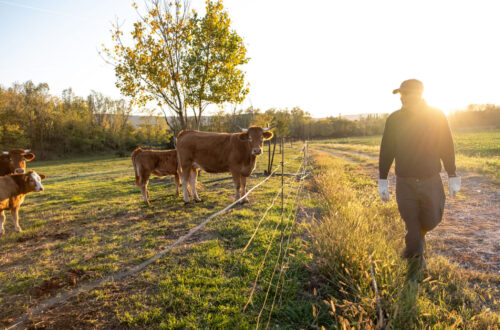
Preparing Your Pasture for Winter: Fall Grazing Strategies That Pay Off
As autumn settles across the countryside, ranchers and livestock owners know the clock is ticking. The lush green growth of summer begins to slow, and winter feed supplies quickly rise to the top of every rancher’s priority list. While many focus on storing hay and ensuring barns are ready for the cold, one of the most valuable—and often overlooked—steps is maximizing your fall grazing strategy. By managing your pastures wisely in September and October, you can reduce feed costs, protect soil health, and keep your herd in better condition through the colder months. Why Fall Grazing Matters Fall is the bridge between summer’s abundance and winter’s scarcity. Grass growth slows…
-
Cooler Nights, Healthier Herds: Livestock Care Tips for Early Fall
As summer fades and the first crisp nights roll in, livestock owners know it’s time to adjust herd management strategies. Early fall is more than just a transition in weather—it’s a pivotal time to prepare animals for the colder months ahead. With cooler nights, pastures shift in nutrient quality, parasites behave differently, and animals’ energy demands change. By taking proactive steps now, you can ensure your cattle, horses, sheep, and goats stay healthy, productive, and stress-free all season long. Why Early Fall Matters for Herd Health Early fall is a window of opportunity. The heat stress of summer subsides, making animals more comfortable, but the challenges of winter haven’t yet…
-
Fall Nutrition Plans: Keeping Cattle and Horses in Top Condition
As summer pastures fade and cooler weather sets in, livestock owners face one of the most critical transitions of the year: adjusting nutrition plans for cattle and horses. Fall is a season of preparation. The lush grasses of summer are giving way to dormant forages, and animals require balanced diets to maintain weight, energy, and overall health through the colder months ahead. Whether you’re managing a herd of beef cattle or a few pasture horses, a proactive fall nutrition plan ensures they stay in top condition well into winter. Why Fall Nutrition Matters Fall is more than just a change of season—it’s a shift in forage quality, availability, and energy…
-
From Garden to Pantry: Preserving Your Fall Harvest
Fall isn’t just about crisp mornings and vibrant leaves—it’s the season when gardens reach their peak of abundance. Tomatoes ripen faster than you can pick them, squash and pumpkins spill across the ground, and herbs seem endless. But as the days grow shorter, gardeners know that fresh produce won’t last forever. That’s why fall is the perfect time to shift focus from harvesting to preserving. With the right methods, you can stretch the flavors of your fall bounty well into winter. Why Preservation Matters Preserving food isn’t just about saving what you’ve grown—it’s about reducing waste, saving money, and eating healthier year-round. Store-bought canned or frozen produce can’t compete with…
-
Fall Garden Prep: Planting Cool-Weather Crops That Thrive in September
For gardeners across the United States, September marks the start of one of the most rewarding times of the year. While many think of gardening as a spring and summer activity, early fall is a golden opportunity to extend your harvest. Cooler days, moist soil, and fewer pests create the perfect environment for planting a variety of crops that thrive in lower temperatures. With the right preparation and plant selection, your garden can remain productive well into the colder months. Why September Is Perfect for Planting Best Cool-Weather Crops to Plant in September 1. Leafy Greens 2. Root Vegetables 3. Brassicas (Cabbage Family) 4. Alliums Garden Prep Tips for September…
-
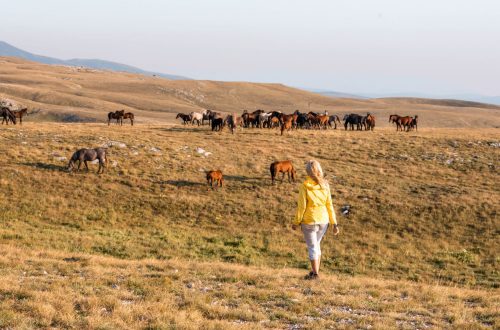
Late-Season Grazing: Making the Most of Dormant Pastures
As autumn fades and temperatures drop, pastures across the U.S. shift into dormancy. Grass growth slows dramatically, and forage quality begins to decline. For livestock producers, this seasonal transition raises an important question: how do you stretch limited pasture resources while keeping cattle healthy and reducing reliance on hay? The answer lies in late-season grazing strategies—managing dormant forage in a way that maximizes nutrition, extends the grazing window, and reduces feed costs without compromising herd health. Understanding Dormant Pastures Dormant pastures aren’t “dead” pastures. While growth has slowed, standing forage still provides valuable roughage and nutrients. The challenge is that as grasses mature and lose green color: Despite these limitations,…
-
Cold-Weather Feed Planning: Keeping Cattle in Top Shape All Winter
When temperatures drop and pastures lie dormant, livestock managers face one of the toughest challenges of the year: keeping cattle healthy, strong, and productive through winter. Cold weather increases energy demands, reduces forage availability, and places extra stress on animals. Without a solid feed strategy, herds can lose condition, reproductive performance may suffer, and veterinary issues can arise. The good news? With careful cold-weather feed planning, you can maintain body condition scores (BCS), support immune health, and set your cattle up for success when spring arrives. Why Winter Feed Planning Matters Cold stress begins when temperatures drop below an animal’s lower critical temperature (LCT)—the point where cattle must burn additional…