-
The 5-Year Rain Boot: How to Make Your Trudave Gear Outlast the Competition
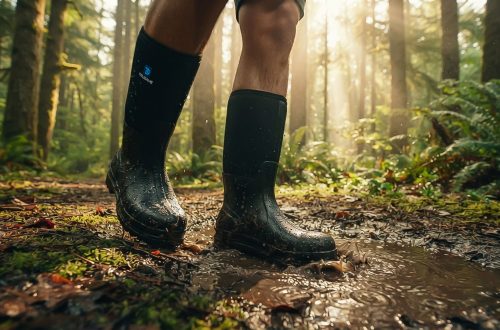
You’ve finally done it. You’ve bought a pair of rain boots that actually work — 100% waterproof, steel shank protection, and the right insulation for your climate. You’ve escaped the cheap boot trap and invested in gear that should last for years. But here’s the question most people never ask: how do you keep them that way? I’ve seen it happen a hundred times. A farmer buys a quality pair of boots, wears them hard for a season, and then tosses them in the garage when the weather warms up. By the time fall rolls around, the rubber has hardened, the neoprene has lost its flexibility, and water is seeping through…
-
The “Waterproof” Lie: Why Most Rain Boots Fail (And How Trudave Gets It Right)
Let me tell you about a morning that changed how I think about rain boots. I was standing in my garden at 7:00 AM, dew soaking through what I thought were “waterproof” boots. No visible cracks. No obvious damage. But my socks were already wet, my feet were cold, and my day was off to a miserable start. That’s when I realized the problem: most “waterproof” boots are actually water-resistant. And water-resistant means they’ll fail you the moment you actually need them. Here’s the truth about rain boots in 2026—and why Trudave Gear is quietly becoming one of the smartest investments you can make for wet-weather work. The “Waterproof” Lie…
You May Also Like
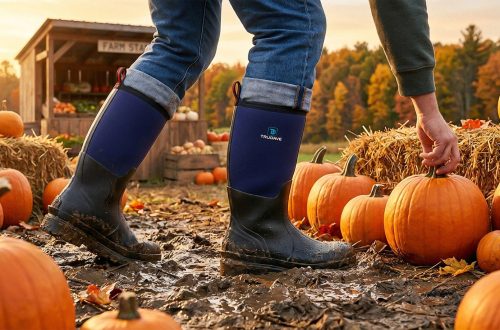
Best Boots for Mushroom Farm Work: Waterproof Footwear for Growing Rooms, Wet Floors, Harvesting, and Sanitation

When the Cows Start Kicking: Reading Livestock Behavior After Winter Pens
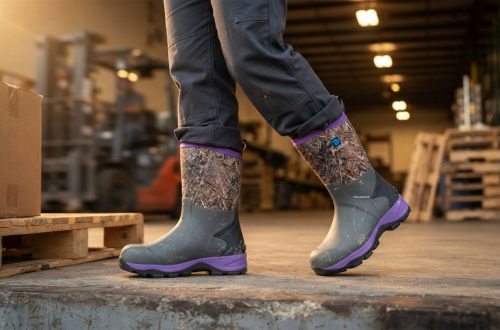
Best Boots for Orchard and Fruit Farm Work: A Practical Guide for Wet Grass, Mud, Ladders, and Long Harvest Days
-
One Rain Boot, Four Seasons? Why That’s the Fastest Way to Ruin Your Morning
There’s a question I hear all the time: “Can’t I just buy one good pair of rain boots and wear them year-round?” The short answer is no. The long answer is a lot more interesting—and it’s the reason I ended up with four different pairs of rain boots before I finally got it right. The truth is, the boot that keeps your feet toasty in a frozen barn in January will cook them in a July garden. The lightweight boot that’s perfect for spring yard work will leave you shivering during fall chores. And the heavy-duty boot that shrugs off mud and manure is overkill for a quick dog walk in…
-
The Rain Boot You Actually Need: A Decision Guide for Real Life
Shopping for rain boots often feels like a gamble. Budget models under $30 frequently crack or separate at the sole within a few months, while premium brands can be uncomfortably tight in the calf. The real divide isn’t price—it’s purpose. I learned this the hard way. I spent years buying cheap rain boots that cracked after one season, then upgrading to expensive boots that pinched my calves and made my feet sweat. It wasn’t until I matched the boot to what I actually do that everything clicked. Here’s what I’ve learned about choosing the right rain boot for your real life—and why Trudave Gear might be the smartest investment you make this…
-
The Real Cost of Cheap Rain Boots: Why Trudave Is the Smarter Investment
Here’s a question most rain boot buyers never ask: What is this boot actually costing me? Not the price tag. The real cost. The time you lose when your feet get wet and you have to cut your day short. The money you spend replacing boots that crack after one season. The safety risk when worn-out tread sends you sliding on a wet surface. I used to think I was being smart by buying cheap rain boots. Thirty dollars. Maybe forty. How could anyone justify spending more? Then I did the math. And I realized I’d been paying a tax I didn’t even know existed. The $30 Illusion Over five years, I spent…
-
The Most Overlooked Feature of a Rain Boot (And Why It Matters More Than Waterproofing)
You’ve heard it all before. “100% waterproof.” “Non-slip outsole.” “Thermal insulation.” Every rain boot on the market screams these specs from the rooftops. And they matter—of course they do. But here’s the question nobody asks: how do they actually fit? Because a boot that’s 100% waterproof doesn’t matter if your heel slips with every step. A non-slip outsole won’t save you if your foot slides around inside the boot. And all the insulation in the world is useless if blood flow is restricted by a fit that’s too tight. Fit is the foundation. And it’s the feature most people ignore. Trudave Gear built their rain boot lineup around a simple truth: the…
You May Also Like

Frost Guardians: Simple Ways to Protect Late Crops from Cold Snaps
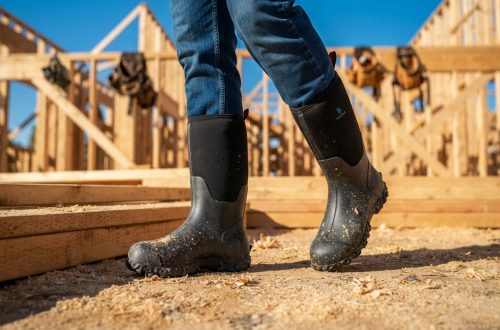
Best Boots for Mushroom Farm Work: Waterproof Footwear for Wet Floors, Compost, and Growing Rooms

The Seasonal System: Why One Pair of Rain Boots Isn’t Enough—and How to Build a Trudave Rotation That Works Year-Round
-
The Rain Boot You Actually Need (Not the One the Internet Tells You to Buy)
Here’s a confession that might make the gear snobs cringe. I used to think all rain boots were basically the same. Grab a pair off the shelf, stuff my feet in, and hope they kept the water out. If they cracked after a season, I figured that’s just how it goes. If my feet were freezing by noon, I blamed the weather. If they were sweating by mid-morning, I blamed myself for walking too fast. Then I started paying attention to what real outdoor workers—farmers, ranchers, pressure washers, horse handlers—were actually wearing. And I realized something important: the best rain boot isn’t the most expensive one. It’s the one that matches…
-
The 20-Minute Creek Test That Made Me a Believer
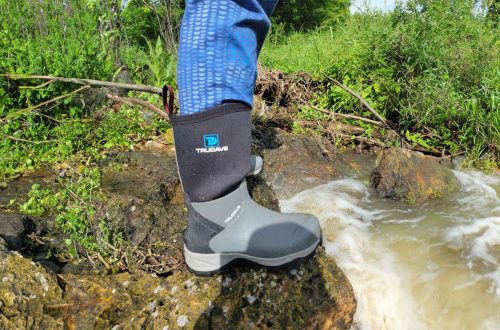
I have a confession to make. For years, I was a skeptic when it came to budget-friendly rain boots. I’d been burned too many times by cheap rubber that cracked after one season, flimsy soles that slipped on wet grass, and the dreaded moment when you realize your “waterproof” boots are anything but. So when I first heard about Trudave Gear—a brand offering boots with steel shanks and 6mm neoprene for under $90—I rolled my eyes. It sounded like every other late-night infomercial promise: too good to be true. Then I put them to the test. Not a walk around the yard. A real test. The kind that separates marketing…
-
The Rain Boot You Actually Need: How to Stop Guessing and Find Your Perfect Match
You know the feeling. You‘re standing in the aisle, holding two different pairs of boots. Both claim to be “waterproof.” Both have “non-slip” soles. One costs $60, the other $120. You have no idea which one to buy, so you pick the one that looks cooler or is on sale. And a few months later, you’re standing in the rain with wet, cold feet, wondering what went wrong. Here‘s the thing most rain boot buyers never realize: the “best” boot isn’t the most expensive one. It‘s the one that matches what you actually do. Do you spend your mornings in a wet garden, kneeling in mud and soil? Are you hauling…
-
The “Waterproof” Myth: What 10 Miles of Wet Grass Taught Me About Rain Boots
I used to believe the labels. “Waterproof,” the box said. “Weather-ready,” the website promised. And like a sucker, I handed over my money and walked out believing I’d found the solution to wet feet. Then I walked through wet grass. Not a puddle. Not a creek crossing. Just ordinary morning dew. And within thirty minutes, that familiar seep—cold, creeping, inevitable—had turned my socks into sad sponges. Here’s the dirty secret the industry doesn’t want you to know: most “waterproof” boots are only water-resistant. And the difference becomes painfully obvious the moment you step into real-world conditions. The DWR Lie Most waterproof boots rely on a DWR (Durable Water Repellent) coating—a chemical shield…