-
Why Your Pasture Isn’t Performing as Well as It Should This Spring
Every spring brings the same expectation: fresh growth, strong forage, and a pasture ready to carry your herd. But for many ranchers, reality doesn’t match the picture. The grass greens up—but performance lags behind. Maybe your cattle aren’t gaining like they should. Maybe you’re running out of usable forage faster than expected. Or maybe the pasture just isn’t responding the way it has in past years. If that sounds familiar, you’re not dealing with bad luck—you’re dealing with hidden limiting factors that quietly reduce pasture performance. Let’s break down what’s really holding your pasture back this spring—and how to fix it. What “Underperforming Pasture” Really Means A pasture that isn’t…
-
Why Your Pasture Looks Green but Isn’t Producing Enough Feed
At first glance, your pasture looks perfect—lush, green, and full of growth. But once livestock hit the field, reality sets in fast. Grazing pressure builds, animals start roaming more, and suddenly there’s not enough usable forage to go around. If you’ve ever wondered why a pasture that looks healthy isn’t actually feeding your herd, you’re not alone. This is one of the most common—and costly—misunderstandings in spring pasture management. The truth is simple: green doesn’t always mean productive. The Illusion of “Green Equals Good” In spring, rapid growth creates a visual illusion. Grass greens up quickly, especially after rain, but not all growth is equal in terms of: A pasture…
You May Also Like
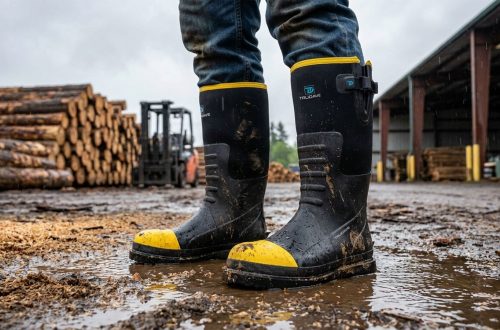
The Ultimate Mud Day Challenge: Stress-Testing Trudave Gear Rain Boots Against the Worst Messes You Can Throw at Them
Why Your Plants Stall in Early Summer—and How to Fix It Fast

The Perfect Fit: How to Choose Trudave Rain Boots for Wide Feet, Narrow Feet, Flat Arches, and High Arches
-
The Hidden Pasture Spots That Feed Livestock During Dry Spring Patches
Spring is a time of rapid growth and renewal for pastures, but it’s also a season of unpredictability. While most ranchers focus on the obvious grazing areas, hidden microzones within your pasture can provide critical nutrition for livestock during dry patches. Understanding and utilizing these hidden spots can mean the difference between stressed animals and thriving herds, especially when early spring moisture is inconsistent. Understanding Dry Spring Patches Dry spring patches occur when certain areas of a pasture dry out faster than others due to variations in soil type, topography, drainage, or sun exposure. These patches can leave livestock with limited forage options, creating stress that affects weight gain, grazing…
-
Spring Watering Strategies That Prevent Pasture Stress
Spring is the time when pastures awaken from winter dormancy, and forage begins its rapid growth. However, this crucial season also presents unique challenges for ranchers. One of the most overlooked factors in early spring is water management. Improper watering, whether too little or too much, can stress your pasture, stunt growth, and affect livestock performance. In this article, we’ll explore practical strategies to maintain healthy, stress-free pastures this spring. Understanding Pasture Stress in Early Spring Pasture stress occurs when grass and forage plants are unable to grow at their optimal rate due to environmental or management factors. In spring, stress is often linked to inconsistent soil moisture. After a…
You May Also Like
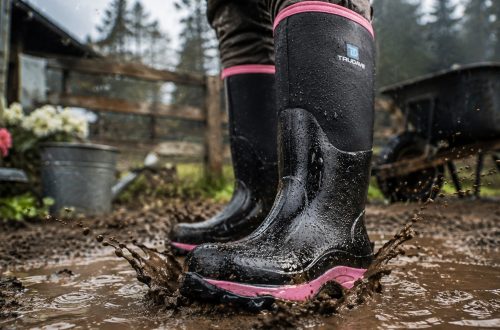
The Workhorse You Didn’t Know You Needed: Why Trudave Rain Boots Are the Multi-Season Essential for Life Beyond Pavement
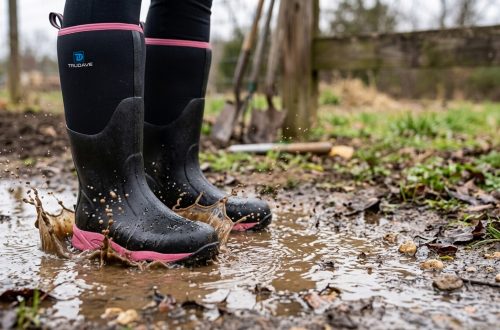
Best Boots for Horse Farm Work: Waterproof Footwear for Barns, Muddy Paddocks, and Daily Chores
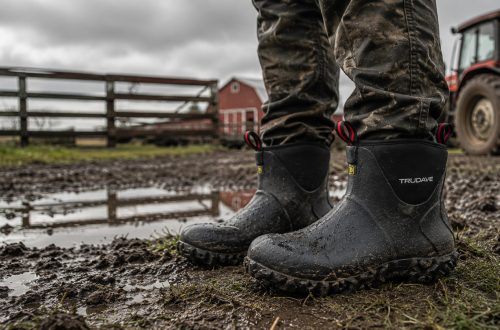
The Grip Guide: Which Trudave Rain Boot Outsole Is Right for Your Terrain?
-
The One Change That Can Double Your Plant Growth This Month
Spring is in full swing, and gardeners everywhere are eager to see their plants thrive. Whether you’re growing vegetables, flowers, or herbs, it’s natural to look for ways to maximize growth in these critical weeks. Surprisingly, the difference between a struggling garden and one bursting with life often comes down to one simple change. What That Change Is: Optimizing Your Soil’s Microbial Life The secret to doubling plant growth isn’t buying the most expensive fertilizers or spending hours in the garden. The one change that has the most dramatic impact is enhancing the biological activity in your soil. Plants rely on soil microbes—bacteria, fungi, and beneficial nematodes—to break down organic…
-
The Spring Gardening Mistake Almost Everyone Makes Without Knowing
Spring is one of the most exciting times of the year for gardeners. The sun is warmer, days are longer, and the soil is finally ready for planting. But even seasoned gardeners often fall into the same trap—without even realizing it. This common mistake can drastically affect plant growth, yield, and overall garden health, and it’s happening in yards across the U.S. every spring. What the Mistake Is: Planting Too Early or in the Wrong Conditions The mistake is deceptively simple: starting your garden before the soil and environmental conditions are truly ready. Many gardeners plant as soon as the first warm days arrive, assuming that if the air feels…
-
Why Some Seeds Thrive in April While Others Fail Instantly
April is one of the most exciting months for gardeners across the United States. The soil is waking up, days are getting longer, and planting season is officially underway. Yet many gardeners run into a frustrating problem: Some seeds sprout quickly and grow strong, while others seem to rot, stall, or never emerge at all. This isn’t random. The difference comes down to how well each seed matches early spring conditions—especially soil temperature, moisture, and timing. Understanding these factors can mean the difference between a thriving garden and a disappointing start. The Core Issue: Not All Seeds Are Built for April Every seed has its own “comfort zone.” Some are…
-
The Early Spring Planting Mistake That Stunts Growth All Season
Early spring is an exciting time for gardeners. Warmer days, longer sunlight hours, and the urge to get plants in the ground as soon as possible can be hard to resist. But this enthusiasm often leads to one of the most common—and costly—mistakes in gardening: Planting before the soil is truly ready. This single misstep can stunt plant growth for the entire season, leading to weak roots, slow development, and disappointing yields. Understanding why this happens—and how to avoid it—can dramatically improve your garden’s performance. Why Timing Matters More Than You Think Many gardeners rely on air temperature or calendar dates to decide when to plant. But plants don’t grow…
-
Optimizing Stocking Rates as Pastures Begin Rapid Growth
Spring is a dynamic season for ranchers. As temperatures rise and daylight increases, pastures transition from slow winter growth to rapid spring regrowth. This period offers an incredible opportunity to maximize forage utilization, but it also comes with risks. Overstocking or understocking during this critical growth phase can directly impact pasture health, livestock performance, and long-term carrying capacity. Understanding Rapid Spring Growth In early spring, perennial grasses and legumes respond to warmer soils and increased sunlight by producing shoots at an accelerated rate. Depending on your region, you may see growth rates increase by 50–100% compared to late winter. This rapid growth is both a blessing and a challenge: The…
-
Why Early Spring Water Management Determines Summer Pasture Success
As temperatures rise and winter thaws give way to early spring, ranchers face a critical window for pasture management. One of the most often overlooked but essential factors during this period is water management. Properly handling water now can set the stage for lush, productive pastures all the way through summer, while neglect can lead to stunted growth, soil erosion, and poor forage quality. Understanding the Spring Water Cycle In early spring, melting snow and seasonal rains saturate soils across the country, particularly in northern and midwestern states. This is a double-edged sword: while abundant water is crucial for grass regrowth, excess water can: Effective water management requires observing both…