-
Why Some Pastures Green Up But Fail to Feed Your Herd Efficiently
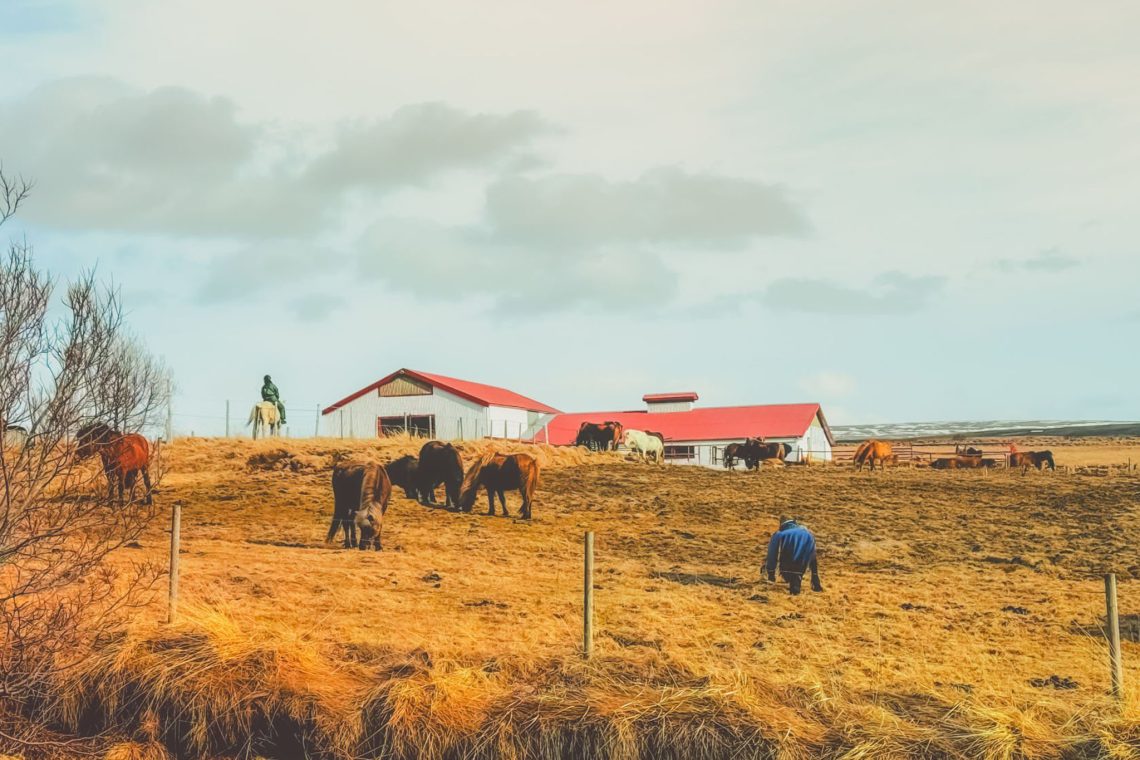
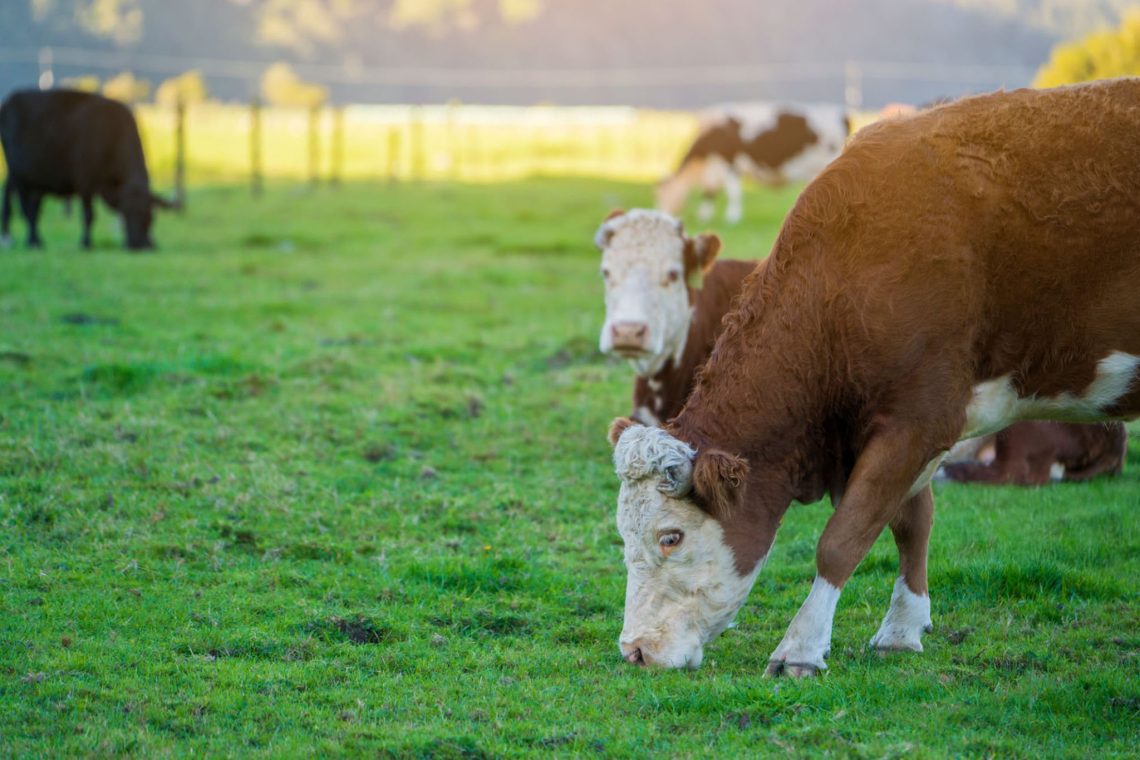
Spring and early summer bring a familiar scene on many American ranches: lush, green pastures that seem like a promise of abundant forage. Yet, despite this vibrant growth, some ranchers quickly discover that their herd isn’t getting the nutrition it needs, and feed efficiency suffers. The problem isn’t always visible. Pastures can appear healthy, but underneath the surface, factors limit how effectively livestock can utilize that growth. Understanding these dynamics is key to maximizing herd performance and pasture sustainability. 1. Rapid Early Growth Doesn’t Always Mean High Nutritional Value Green, thick pastures are appealing, but visual greenness doesn’t always equal quality. When forage grows quickly: Livestock may avoid tougher sections,…
-
Maximizing Early Summer Forage Before Heat Slows Growth
Early summer is one of the most critical windows in the entire grazing season. Grass is still growing. Moisture is often adequate. Temperatures haven’t fully peaked yet. On the surface, everything looks productive and stable. But this window is short. What you do right now determines how your pasture performs when heat, dry conditions, and slower growth inevitably arrive. Maximizing forage during this phase isn’t just about growing more grass—it’s about capturing, preserving, and using that growth efficiently before conditions turn against you. Why Early Summer Is a Make-or-Break Period During early summer: However, as heat builds: This means: Every missed opportunity now becomes a shortage later. The Biggest Mistake…
-
Why Your Herd Starts Working Harder for the Same Amount of Feed
There’s a point in the season when something subtle—but important—starts to change. Your pastures still look productive.There’s still grass in the field.Stocking rates haven’t changed. But your herd tells a different story. They’re grazing longer, moving more, and yet performance begins to slip. When your herd starts working harder for the same amount of feed, it’s not a livestock problem—it’s a pasture efficiency problem. And it’s one of the most overlooked issues in early to mid-summer grazing systems. What “Working Harder” Really Means This shift doesn’t always show up immediately in numbers—but it shows up in behavior. You’ll start to notice: In simple terms: Animals are spending more energy to…
You May Also Like
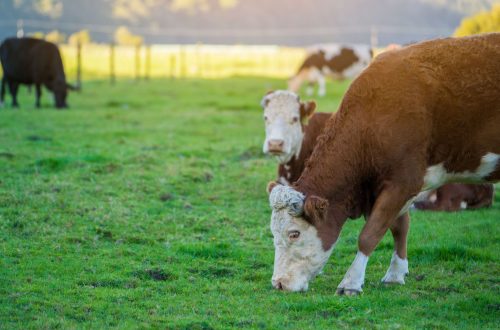
What Most Ranchers Miss When Grass Growth Suddenly Changes Behavior
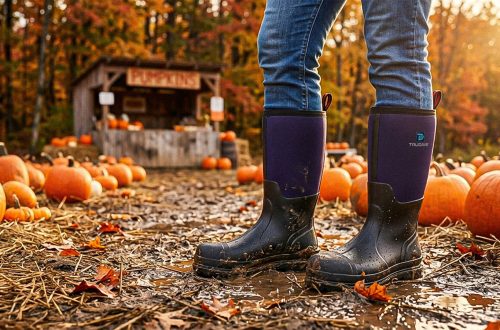
Best Boots for Vineyard Work: Waterproof Footwear for Wet Rows, Grape Harvest, Irrigation, and Long Farm Days
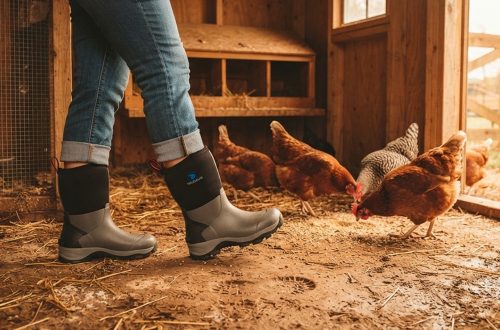
Best Boots for Poultry Farm Work: Waterproof Footwear for Chicken Houses, Wet Litter, and Washdown Areas
-
How Heat and Drying Soil Quietly Reduce Grazing Productivity
As early summer transitions toward hotter, drier conditions, many ranchers begin to notice something that doesn’t quite add up. Pastures are still green.Grass is still growing—at least on the surface.Nothing looks drastically wrong. But livestock performance starts to slip. Grazing patterns become uneven. Recovery slows down. What you’re seeing isn’t a sudden problem—it’s a gradual shift caused by heat and drying soil quietly reducing grazing productivity. And if you don’t catch it early, it can impact your entire season. The Hidden Nature of Mid-Season Decline Unlike drought or overgrazing, heat stress and soil moisture loss don’t always show obvious signs right away. Instead, they: This creates a dangerous situation where:…
-
Why Your Pasture Plan Starts Falling Apart in Early Summer
Every year, many ranchers begin the season with a solid grazing plan. Rotation is mapped out, paddocks look strong, and livestock performance is on track. Then early summer hits—and things start to unravel. Grass doesn’t recover the same way. Some fields surge ahead while others stall. Livestock begin grazing unevenly. What once felt predictable now feels inconsistent. Your pasture plan didn’t fail—you just entered a phase where the rules changed. Understanding why this happens is the key to regaining control and keeping your operation productive through the rest of the season. The Early Summer Shift Most Ranchers Underestimate Spring and early summer are not the same grazing environment. In spring:…
-
How to Fix the Most Common Grazing Mistake This Time of Year
As early summer settles in, many ranchers start noticing something frustrating: pastures that looked strong just weeks ago begin to underperform. Grass is still there. Fields are still green. But livestock performance drops, grazing becomes uneven, and recovery slows down. What’s causing it? In most cases, it comes down to one critical—and very common—mistake: Letting grazing timing fall out of sync with grass growth. This mistake is easy to miss, but it has a massive impact on pasture productivity, forage quality, and long-term land health. What the “Most Common Grazing Mistake” Really Is During late spring, grass grows rapidly and often masks management issues. But as you move into early…
-
What Most Ranchers Miss When Grass Growth Suddenly Changes Behavior
There’s a moment every rancher notices sooner or later: everything is growing fast, the pasture looks strong, and then almost overnight, something feels off. Grass that was thriving starts behaving differently. Growth becomes uneven, certain areas slow down, and forage that looked abundant suddenly isn’t grazing the same way. Most people assume it’s just weather or timing. But in reality, this shift is one of the most important signals your pasture can give you. Grass doesn’t just grow—it responds. And when its behavior changes, your entire grazing system is about to change with it. Understanding what’s happening beneath the surface is what separates reactive management from proactive ranching. The Hidden…
-
Why Your Pasture Looks Healthy but Isn’t Supporting Your Herd Properly
At first glance, everything may look perfect. Your pasture is green, grass is growing, and the land appears productive. But when you actually observe your herd—weight gain slows, grazing becomes uneven, and supplemental feed needs increase—it becomes clear something isn’t adding up. This is one of the most frustrating situations for ranchers in late spring and early summer: A pasture that looks healthy but fails to perform. The problem isn’t always obvious above ground. In many cases, it comes down to how forage quality, plant maturity, and grazing dynamics are changing beneath the surface. The Hidden Gap Between Appearance and Productivity A lush green pasture does not always equal high-quality…
-
The Mistake That Causes Spring Pastures to Underperform Later
Spring is when everything feels like it’s working in your favor. Grass is growing fast, pastures look full, and livestock performance starts to climb. It’s easy to assume that more growth now automatically means better results later. But for many ranchers, the opposite happens. By early summer, pastures begin to slow down, forage quality drops, and grazing pressure builds faster than expected. What looked like a strong start turns into a season-long struggle. The root of the problem usually comes down to one critical mistake: Letting spring growth get ahead of your grazing management. This single issue can quietly reduce pasture performance for the rest of the year. Why Spring…
-
How to Adjust Grazing Rotation as Growth Rates Begin to Decline
Spring growth can feel unstoppable—until it isn’t. One week your pastures are exploding with forage, and the next, regrowth starts slowing down. If you don’t adjust your grazing rotation at the right time, that shift can quietly reduce pasture productivity, lower forage quality, and impact livestock performance for the rest of the season. The key isn’t reacting after growth declines—it’s adjusting your rotation strategy as soon as the slowdown begins. In this guide, we’ll break down how to recognize the shift, why it matters, and exactly how to modify your grazing system to stay ahead of declining growth rates. Why Grazing Rotation Must Change in Late Spring During early spring:…