-
Spring Mulching Tips That Keep Weeds at Bay Before Summer
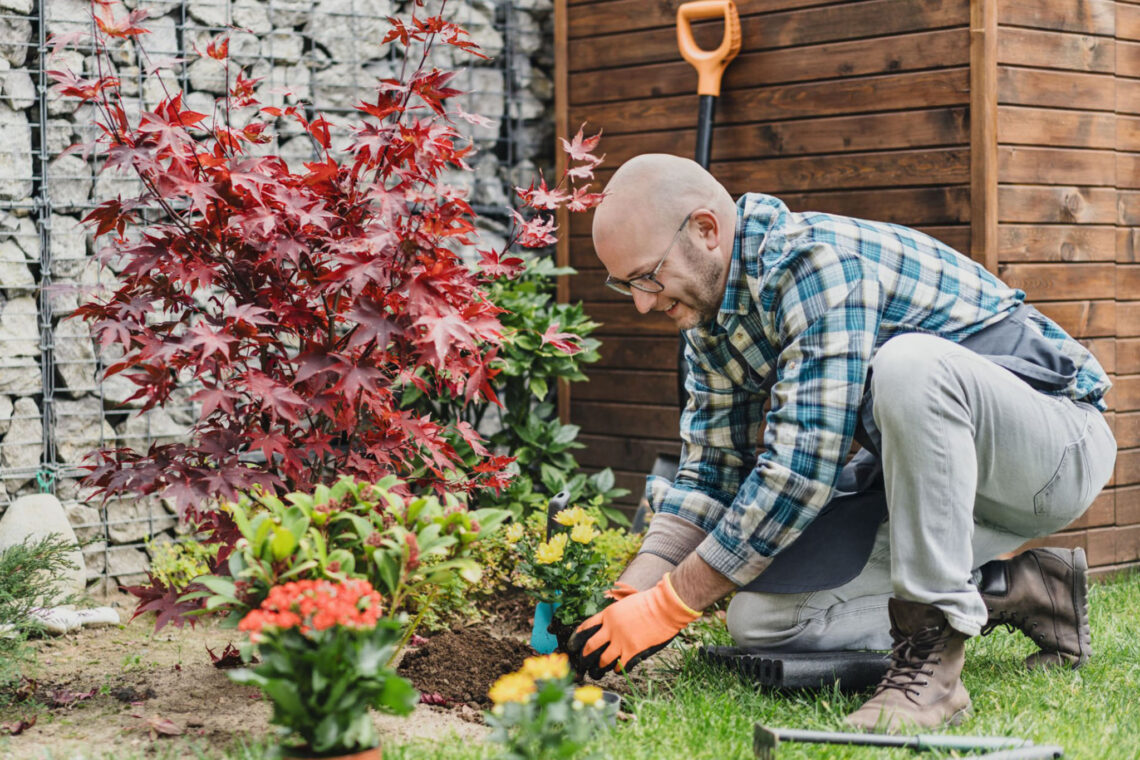
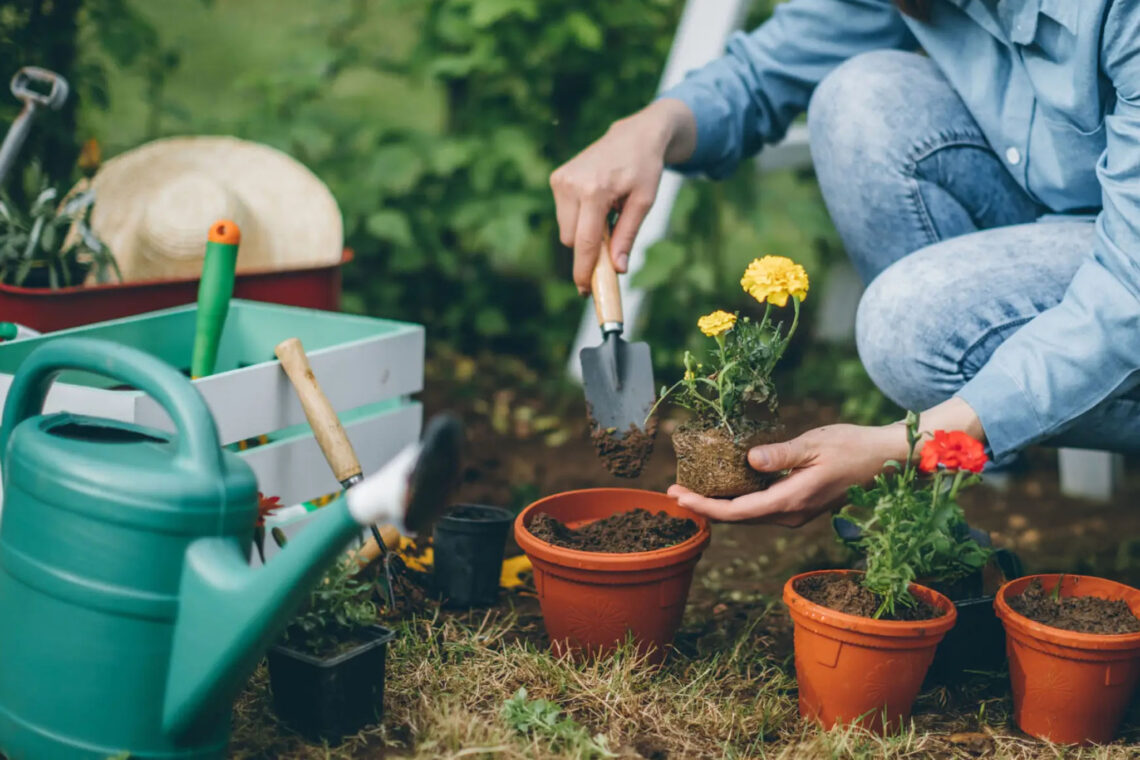
Spring is the perfect time to set your garden up for success, and one of the most effective tools in any gardener’s arsenal is mulch. Proper mulching not only suppresses weeds but also retains soil moisture, regulates temperature, and enriches soil as it breaks down. By applying the right mulch at the right time, you can drastically reduce garden maintenance and set yourself up for a healthy, productive growing season. 1. Choose the Right Mulch for Your Garden Not all mulches are created equal. Selecting the right type depends on your garden needs, aesthetics, and the plants you grow. Selecting the correct mulch ensures it supports your plants while keeping…
-
Early April Planting Secrets That Maximize Spring Growth
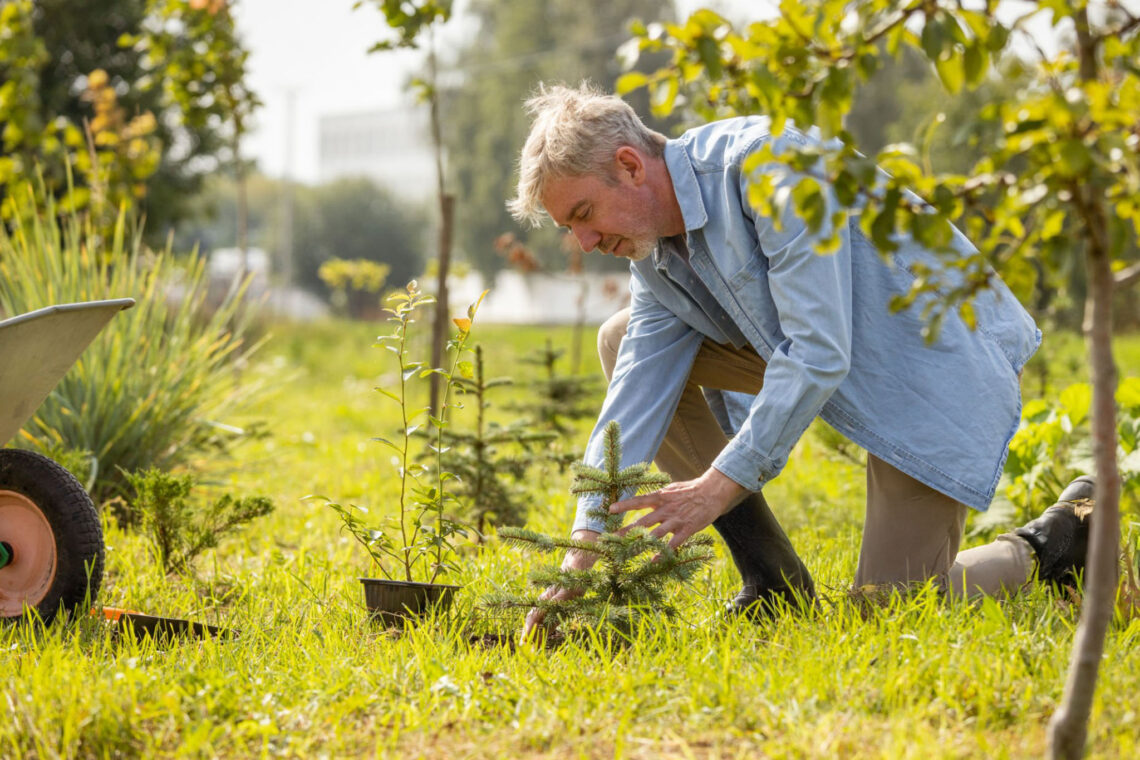
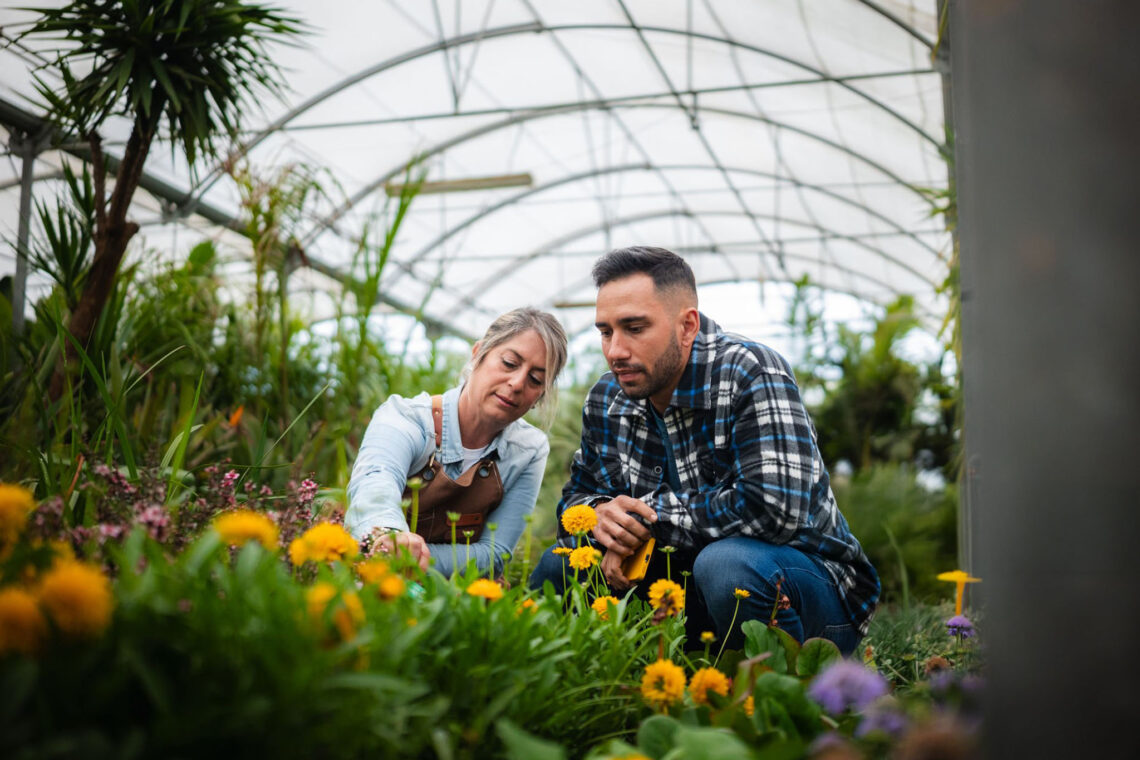
Spring is finally in full swing, and for gardeners across the United States, early April is one of the most crucial windows of the year. Timing your planting and preparation during this period can make a huge difference in overall garden success. But what separates a thriving garden from a struggling one isn’t just luck—it’s understanding the right strategies to maximize growth while the season is still young. 1. Know Your Soil Temperature One of the most overlooked factors in early spring gardening is soil temperature. Even if the air feels warm, the soil may still be too cold for many seeds to germinate efficiently. Using a simple soil thermometer…
-
The Spring Pruning Window That Makes Plants Bloom Better Later
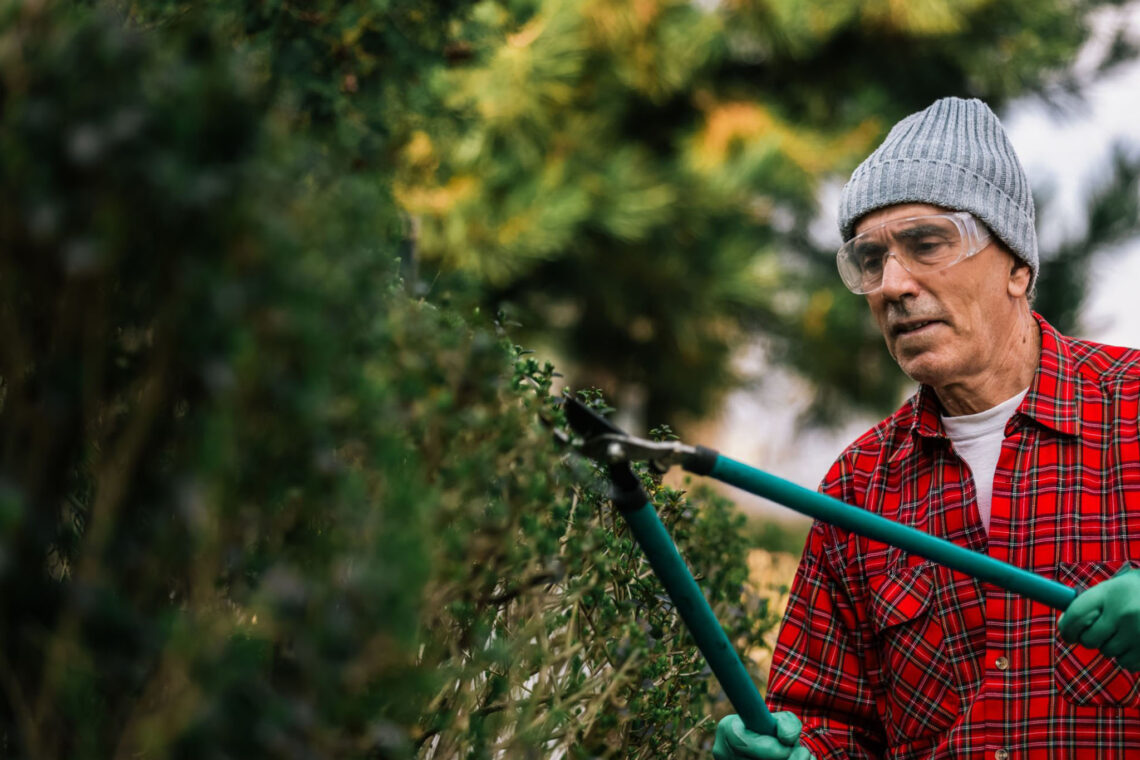
Spring is a time of growth, renewal, and preparation for the vibrant months ahead. For gardeners, it’s also the crucial period to prune plants in a way that maximizes blooms and overall health. Timing is everything: prune too early or too late, and you risk cutting off flower buds, encouraging disease, or stressing your plants. Understanding the optimal spring pruning window can transform your garden into a colorful, thriving landscape. Why Spring Pruning Matters Pruning isn’t just about shaping plants—it directly impacts flowering, fruiting, and long-term health. Proper spring pruning: Skipping pruning or doing it at the wrong time can lead to sparse flowers, weak stems, or early disease susceptibility.…
-
Spring Soil Awakening: Preparing Your Garden for a Thriving Season
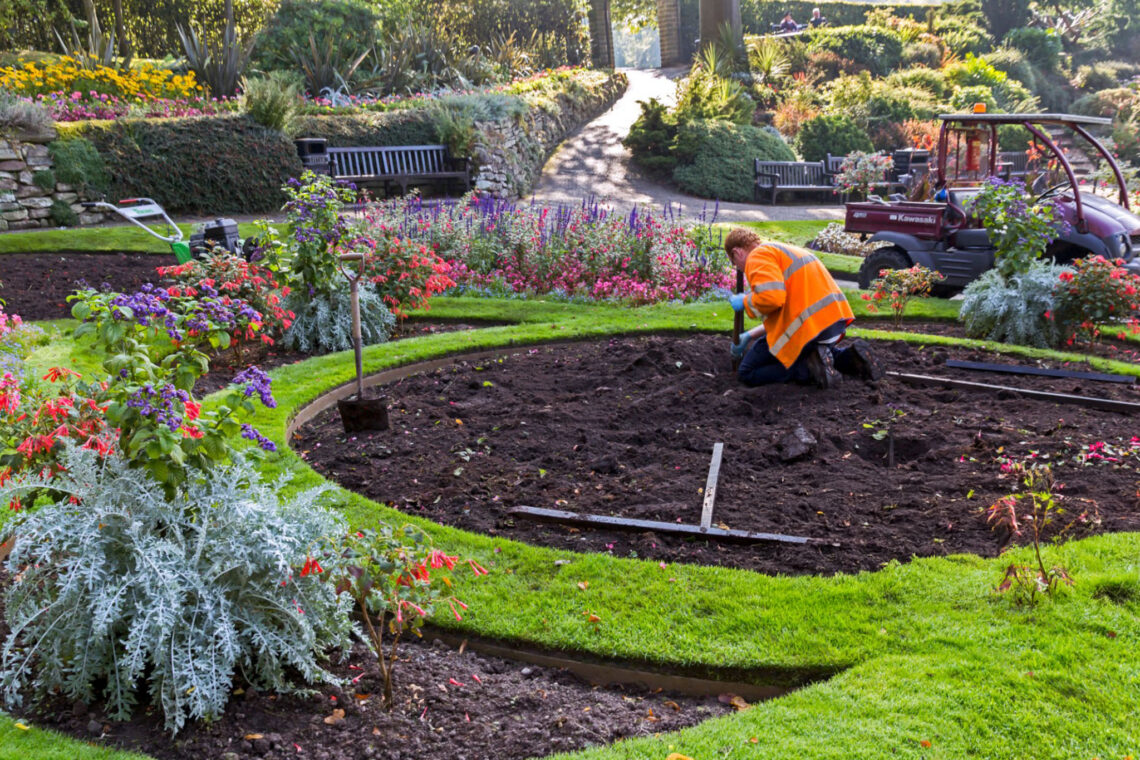
As the frost begins to retreat and longer days return, early spring is the perfect time to awaken your garden soil. Proper preparation now sets the foundation for healthy plants, strong growth, and abundant harvests later in the season. Many gardeners focus on seeds and seedlings, but the truth is, soil health drives your garden’s overall success. Why Spring Soil Preparation Matters During winter, soil undergoes significant changes. Organic matter decomposes slowly, nutrients shift, and microbial activity drops as temperatures fall. Awakening your soil in early spring restores balance and primes it to support vigorous plant growth. Well-prepared soil improves: Neglecting these steps can result in slow germination, weak seedlings,…
-
Why Cattle Gain Faster in Spring Than Any Other Time of Year
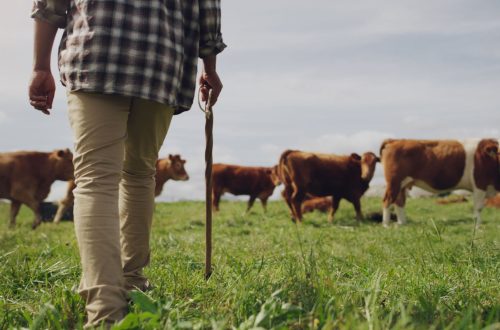
Every rancher sees it happen. After a long winter of maintenance feeding and slower performance, spring arrives—and suddenly cattle begin to gain weight faster, look healthier, and perform better overall. It’s not just your imagination. Spring consistently delivers the highest rate of weight gain for grazing cattle—and it’s driven by a combination of forage quality, animal biology, and environmental conditions. Understanding why this happens allows you to take full advantage of it—and avoid missing the most productive window of the year. The Spring Advantage: What’s Really Happening Spring isn’t just a change in temperature—it’s a complete shift in the pasture ecosystem. You get: All of this combines to create: The…
-
How to Time Your First Grazing Pass for Maximum Regrowth
Early spring is when your pasture sets the tone for the entire year. Grass begins to wake up, growth accelerates, and livestock demand increases—but one decision matters more than most: When you make your first grazing pass. Get it right, and you’ll promote faster regrowth, higher forage quality, and better season-long production.Get it wrong, and you risk slowing growth, weakening plants, and reducing total yield. This guide breaks down exactly how to time your first grazing pass for maximum regrowth and long-term pasture performance. Why Timing Matters More Than Anything Else Grass growth in early spring follows a pattern: Your first grazing pass determines how well plants: You’re not just…
-
The One Soil Fix That Improves Every Plant You Grow This Year
Every gardener looks for that one change—the simple adjustment that makes everything grow better. Stronger vegetables. Healthier flowers. Bigger harvests. The truth is, there is one improvement that consistently delivers results across almost every garden: Adding high-quality organic matter to your soil. It’s not flashy. It’s not complicated. But it’s the single most effective way to improve soil structure, fertility, moisture balance, and plant health—all at once. Why Organic Matter Changes Everything Organic matter includes: When you add it to your soil, you’re not just feeding plants—you’re transforming the entire growing environment. Healthy soil isn’t just dirt—it’s a living system. And organic matter is what brings that system to life.…
-
What Your Garden Soil Needs Right Now Before Planting Begins
As early spring arrives, many gardeners feel the urge to start planting immediately. Seeds, tools, and plans are ready—but there’s one critical step that often gets rushed or overlooked: Preparing your soil properly before planting begins. What you do to your soil right now will determine not just early growth, but the health, productivity, and yield of your entire garden season. Strong plants don’t start with seeds—they start with soil. Why Early Spring Soil Preparation Matters After winter, your soil isn’t in planting condition yet. It’s often: Jumping straight into planting can lead to: Healthy soil creates strong plants—before the first seed even goes in. 1. Check Soil Moisture Before…
-
Early Spring Fertilizer Strategies That Boost Grass Growth
As winter’s chill fades and days grow longer, ranchers and pasture managers face a critical opportunity: preparing for a strong growing season with early spring fertilization. While grass may look dormant, this period sets the foundation for rapid growth, better forage quality, and higher livestock productivity throughout the year. The right fertilizer strategies can give your pasture the jumpstart it needs—without wasting time, money, or nutrients. 1. Understand Your Soil Before Applying Fertilizer Before any fertilizer touches your field, knowing your soil’s condition is crucial. Winter weather can deplete nutrients, compact soil, and alter pH levels. 2. Timing Matters: When to Fertilize Applying fertilizer too early can be wasteful, while…
-
Spring Pasture Revival: What Your Grass Needs First
As the chill of winter fades and early spring arrives, ranchers across the U.S. face one critical question: how do you prepare your pastures for a strong growing season? Spring pasture revival isn’t just about green grass—it’s about ensuring your forage is healthy, nutritious, and ready to support your livestock. Many ranchers focus solely on planting or fertilizing, but the first steps you take in early spring can set the tone for your pasture’s productivity all year long. 1. Assess Soil Health Before Anything Else Before you think about seeding or grazing, take a close look at your soil. Winter often leaves soil compacted or nutrient-depleted, which can hinder grass…