-
Protecting Soft Pastures: Minimizing Hoof Damage After Winter Thaws
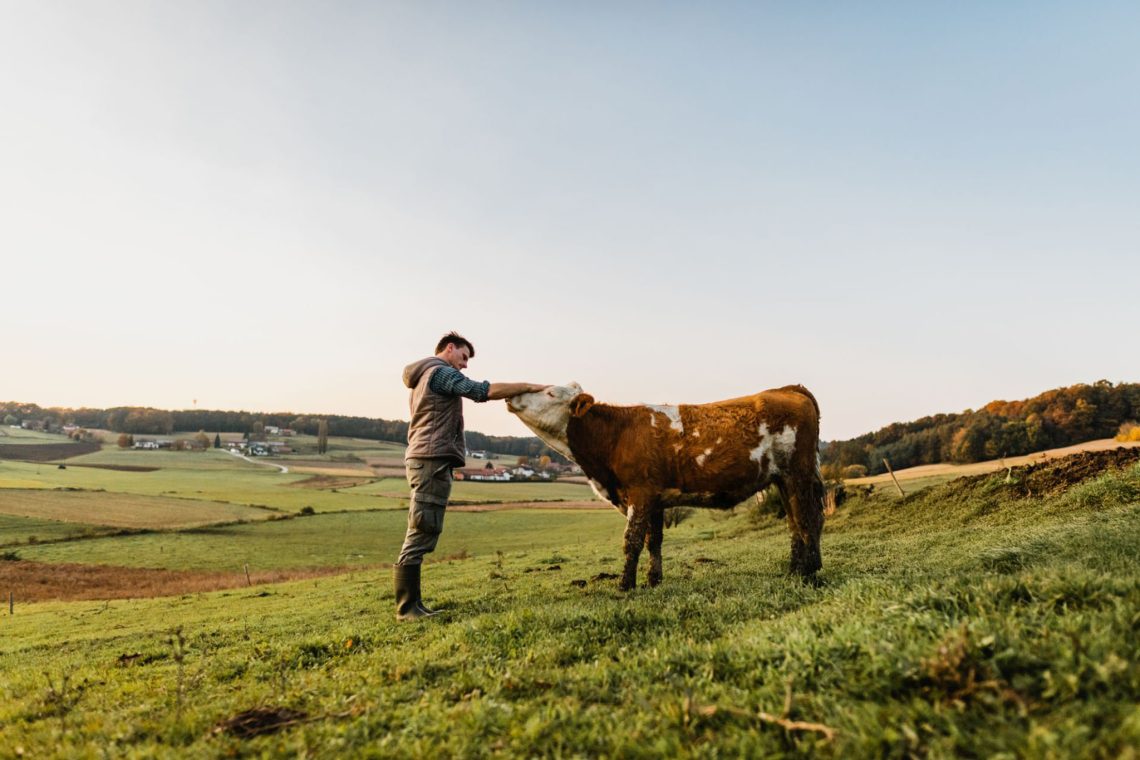
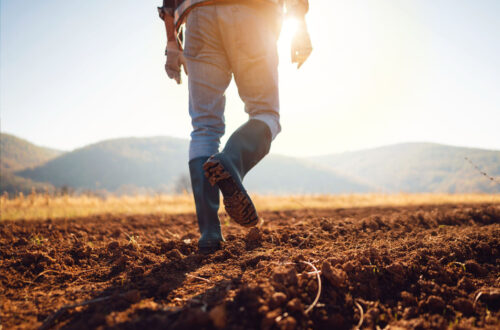
Early spring brings new opportunities for grazing, but it also comes with challenges. As snow melts and soils thaw, pastures are often soft, wet, and vulnerable to damage. Livestock hooves can cause significant compaction and ruts, which not only harm the grass but also reduce long-term pasture productivity. Understanding how to protect soft pastures while maintaining early spring grazing is essential for any livestock operation aiming for healthy soil, strong forage growth, and productive animals. Why Soft Pastures Are Vulnerable After winter, pastures are in a delicate state: Without careful management, soft pasture damage can last all season, reducing forage availability and forcing extra feeding costs. Understanding Hoof Pressure and…
-
Balancing Supplement Feed While Grass Slowly Recovers
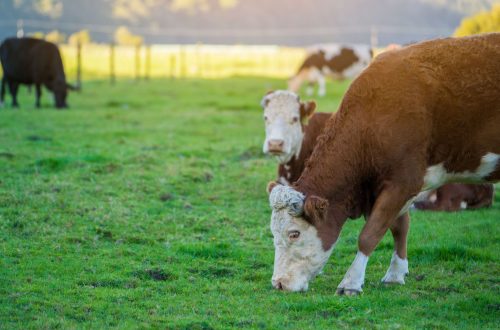
Early spring is a critical period for pasture management. After a long winter, grass growth is slow, soil may still be saturated, and forage availability is limited. During this transitional period, livestock nutrition must be carefully balanced to maintain herd health while allowing pastures to recover. Providing the right supplement feed at the right time can prevent overgrazing, protect fragile soils, and set the stage for a productive grazing season. Understanding Early Spring Pasture Limitations Pastures in early spring face several constraints: Ignoring these factors can lead to overgrazed pastures, reduced soil health, and stressed animals. The Role of Supplement Feed Supplement feed is a tool to bridge the gap…
-
Spring Feed Strategy: Balancing Hay and Pasture Recovery
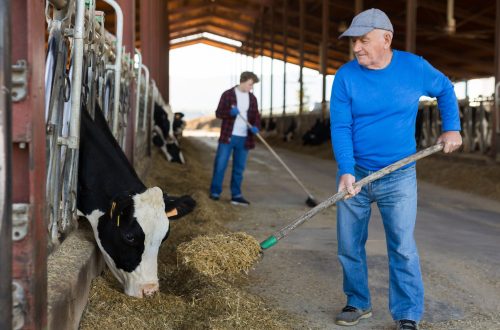
As winter fades and pastures begin to awaken, ranchers face one of the most important decisions of the season: how to balance supplemental feeding with pasture recovery. Proper spring feed strategy ensures that livestock remain healthy while protecting young grass shoots, optimizing growth for the upcoming grazing season. Mistimed feeding or over-reliance on hay can stress pastures, while neglecting supplemental nutrition can compromise animal performance. Understanding Early Spring Pasture Dynamics Early spring is a transitional period where pastures are just emerging from dormancy: Hay vs. Pasture: The Balancing Act 1. Assessing Pasture Readiness Before reducing hay feeding, evaluate pasture conditions: 2. Using Hay to Bridge the Gap Hay remains a…
-
Early Spring Forage Assessment: Knowing When Pastures Are Ready
As winter loosens its grip on pastures across the U.S., ranchers and livestock managers face a critical question: When is it safe and productive to turn cattle, sheep, or other livestock out onto early spring forage? Grazing too soon can damage soil and delay pasture recovery, while waiting too long can limit forage availability and affect livestock nutrition. Conducting an early spring forage assessment is essential for making informed decisions that maximize pasture health and livestock performance. Why Early Spring Assessment Matters Early spring is a transitional period. Pasture grasses are awakening from dormancy, soil moisture is still high from snowmelt or winter rains, and temperatures fluctuate daily. Understanding the…
-
Early Spring Is When Gardens Decide Their Pace
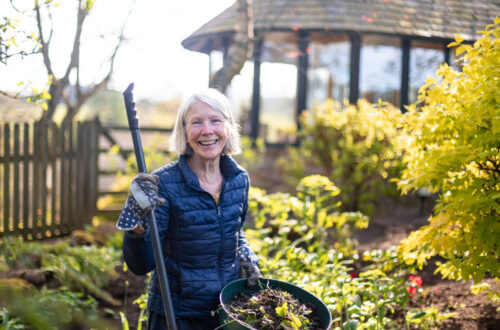
Every growing season has a moment that quietly determines how everything unfolds. It doesn’t happen at planting time, and it doesn’t happen when the garden first turns green. It happens earlier—when spring has technically arrived, but the garden is still moving slowly. Early spring is when gardens decide their pace. This short window sets the rhythm for root growth, leaf development, flowering, and harvest timing. Gardens that move too fast early often struggle later. Gardens that establish a steady pace early tend to stay balanced all season long. Pace Is More Important Than Speed A fast start can look impressive, but it isn’t always productive. Plants that rush growth early…
-
What Gardens Are Doing While the Soil Still Feels Cold
Early spring can be deceiving. The days grow longer, the sun feels stronger, and a few green tips begin to show. Yet when you press your hand into the soil, it’s still cold. Many gardeners assume little is happening underground during this phase. In reality, this is one of the most important periods of the entire growing season. While the soil still feels cold to the touch, gardens are quietly reorganizing—laying down the groundwork that determines how plants will grow, resist stress, and produce later in the year. Soil Doesn’t Wake Up All at Once Soil warms unevenly. Even within the same garden, temperature varies by: The surface may warm…
-
Cold Nights, Warming Days: How Plants Decide When to Grow
Early spring sends mixed signals. Afternoons feel mild, the sun gains strength, and a few plants begin to stir. Then night falls, temperatures drop, and growth pauses again. To gardeners, this looks like hesitation. To plants, it’s information. Plants don’t respond to single warm days. They grow only when a pattern makes sense. Plants Track Trends, Not Weather Events A warm afternoon doesn’t trigger growth on its own. Plants are wired to read consistency. They evaluate: Cold nights act as a braking system, preventing plants from committing resources too early. Why Nighttime Temperatures Matter More Than You Think During the day, photosynthesis produces energy. At night, plants decide how to…
-
Before the Soil Fully Wakes Up: What Early Spring Gardens Need Most
Early spring is deceptive. The days get longer, the air feels softer, and a few warm afternoons convince gardeners that the season has arrived. But beneath the surface, the soil is still half asleep. Roots are sluggish, microbial life is just beginning to stir, and moisture behaves very differently than it will a month from now. Before seeds go in and transplants move out, the most important work of early spring happens quietly, below ground. Why Soil Readiness Matters More Than Air Temperature Plants don’t grow in the air—they grow in soil. In early spring, soil temperature lags well behind daytime highs, especially in heavier or shaded beds. Cold soil:…
-
Holding vs Moving Cattle: Early Spring Decisions That Shape Summer Gains
Early spring puts ranchers in a familiar bind. The grass isn’t ready, the ground is soft, feed costs are still real, and cattle are restless. Every decision feels temporary—but in reality, what you do with cattle during this short window quietly sets the ceiling for summer performance. Whether you hold cattle longer or start moving them early, the choice affects pasture recovery, animal condition, and how much flexibility you’ll have when heat, drought, or market pressure shows up later. Early spring isn’t about perfect timing—it’s about managing trade-offs with intention. Why Early Spring Decisions Matter More Than They Look From the outside, holding cattle an extra week or turning them…
-
Spring Thaw Isn’t Uniform: Why One Pasture Recovers Faster Than Another
Every spring, ranchers notice the same puzzling pattern: two pastures, side by side, coming out of the same winter—yet one firms up, greens up, and carries animals weeks earlier than the other. The instinct is to blame weather or luck. In reality, uneven spring recovery is predictable, readable, and manageable once you know what’s happening below the surface. Early spring isn’t just a waiting period—it’s a diagnostic season. Understanding why one pasture rebounds faster than another helps you protect forage, avoid soil damage, and set the tone for the entire grazing year. Spring Thaw Happens Underground First What looks like “spring thaw” above ground is actually a series of changes…