-
Reading Grass Recovery Without Guessing or Waiting Too Long
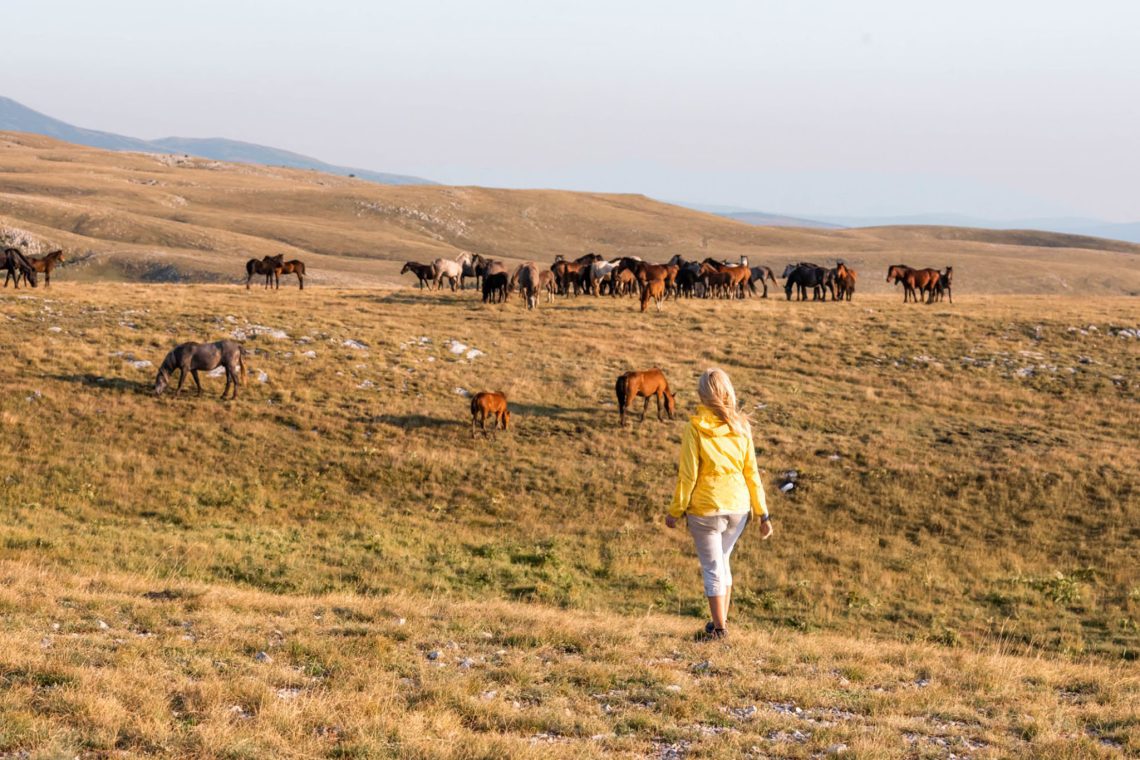
Every spring, ranchers face the same balancing act: turn livestock out too early and risk damaging the pasture, or wait too long and lose valuable grazing days. Guesswork hurts both sides of that decision. The key isn’t the calendar. It’s learning how to read grass recovery accurately—using clear, repeatable field signals that remove uncertainty and keep your operation moving forward at the right pace. Why Timing Grass Recovery Is So Tricky Early spring growth often sends mixed signals. A pasture can look green while still being fragile, or appear slow while actually rebuilding strength underground. This confusion comes from: Visual color alone doesn’t tell the full story. Recovery happens in…
-
Spring Green-Up Isn’t Here Yet: Managing Pastures in the In-Between
Early spring on a ranch is full of false signals. The snow is gone, days are longer, and patches of green begin to show—but that doesn’t mean pastures are ready. This in-between period, when winter has ended but true green-up hasn’t arrived, is where many grazing mistakes are made. Managing pastures during this window isn’t about rushing growth. It’s about protecting what’s already there so the season doesn’t start at a deficit. What “Green-Up” Really Means (And What It Doesn’t) Green-up is often confused with visible color. In reality, true green-up starts below the soil surface, when plants rebuild root energy reserves and begin sustained growth. Early green shoots may…
-
Soft Ground, Heavy Hooves: Managing Livestock on Saturated Pastures
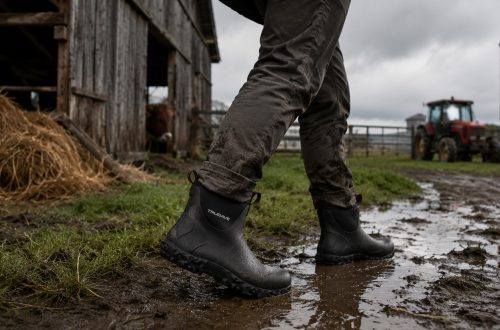
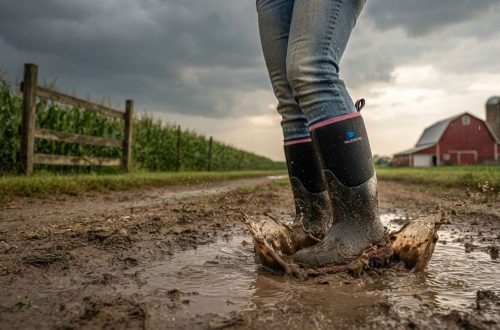
Early spring on a working ranch often means mud, standing water, and ground that hasn’t fully recovered from winter. While livestock are eager to get off hay and back onto pasture, saturated soil creates real challenges. Heavy hooves on soft ground can undo months of pasture recovery in just a few days. Managing livestock during mud season isn’t about stopping grazing altogether—it’s about protecting soil structure, animal health, and long-term forage productivity. Why Saturated Pastures Are So Vulnerable When soil is waterlogged, its structure weakens. Pore spaces that normally hold air collapse under pressure, leading to compaction, root damage, and slow regrowth. On saturated ground, hoof traffic causes: Once damaged,…
-
When Not to Turn Cattle Out: Reading Pasture Readiness in Spring
Every spring brings the same temptation: pastures start to green up, hay piles are shrinking, and cattle are restless. Turning cows out early feels like progress. But on many ranches, that single decision—made too soon—sets pasture performance back for the entire season. Knowing when not to turn cattle out is just as important as knowing when to start grazing. Spring pasture readiness isn’t about color or calendar dates. It’s about root strength, soil stability, and long-term forage health. Green Doesn’t Always Mean Ready Early spring grass often looks ready before it actually is. New growth is soft, shallow-rooted, and highly vulnerable to hoof pressure. Grass that isn’t ready will: If…
-
Spring Grazing Rotation: Balancing Livestock and Grass Recovery
Early spring is a critical time for ranchers and livestock managers. Pastures are just beginning to recover from winter dormancy, and young grass is vulnerable to overgrazing. Proper spring grazing rotation ensures that livestock have sufficient forage while allowing grass to regrow, maintaining both productivity and long-term pasture health. This guide explores effective rotational grazing strategies for early spring, helping ranchers balance animal nutrition with sustainable pasture management. Understanding Early Spring Grass Recovery After winter, grass growth is slow due to low soil temperatures and reduced sunlight. Key considerations: Spring grazing requires patience and observation; forcing livestock onto pastures too early can compromise forage availability later in the season. Step…
-
Early Spring Pasture Recovery: Bringing Fields Back to Life After Winter
Winter takes a heavy toll on pastures. Frost, snow, and saturated soils can leave fields compacted, nutrient-depleted, and littered with debris. For ranchers and livestock managers, early spring is a critical window to assess, repair, and rejuvenate pastures before animals return in full numbers. Proper pasture recovery not only improves forage availability but also promotes long-term soil health and herd productivity. This guide outlines step-by-step strategies for early spring pasture recovery, helping American ranchers get fields back in top shape after a harsh winter. Step 1: Assess Your Pastures After Winter Before any recovery efforts, walk your fields to evaluate damage: Tip: Mapping problem areas with GPS or field notes…
-
Early Spring Harvest Planning: What to Plant for Quick Returns
Early spring is an exciting time for gardeners and small-scale farmers in the U.S. It’s the season of fresh starts, new seedlings, and early harvests. For those eager to enjoy the fruits of their labor quickly, careful harvest planning is essential. By selecting crops that mature rapidly and thrive in cool soil, you can enjoy productive gardens and continuous harvests even before the main growing season kicks into full swing. This guide explores strategies for early spring harvest planning and highlights the best crops for gardeners seeking quick returns. Why Early Spring Planning Matters Step 1: Choose Fast-Maturing Crops Some crops naturally thrive in cool, early spring soil and grow…
-
Garden Planning Tips: Mapping Your Spring Layout for Success
Spring is the perfect time to set the stage for a productive and beautiful garden in the U.S. Early planning ensures that your crops, flowers, and herbs have the space, light, and resources they need to thrive throughout the growing season. By mapping your spring garden layout, you can optimize sunlight exposure, improve soil utilization, and prevent overcrowding—all while reducing maintenance headaches later in the season. This guide walks you through essential garden planning tips to set yourself up for a successful spring garden. Step 1: Assess Your Garden Space Pro tip: Understanding your garden’s layout early helps you place crops where they will thrive, maximizing growth and reducing competition.…
-
Spring Irrigation Prep: Keeping Soil Moist but Not Waterlogged
Early spring is a pivotal time for gardeners, landscapers, and small-scale farmers in the U.S. After the thaw and early rains, preparing your irrigation system and managing soil moisture can make the difference between a thriving garden and soggy, stressed plants. Proper irrigation prep ensures young seedlings, early perennials, and newly planted vegetables receive consistent water without risking waterlogging—a common issue in spring soils that are slow to drain. This guide provides practical tips for spring irrigation preparation that balances moisture retention with proper drainage. Why Spring Irrigation Prep Matters Getting your irrigation system ready and understanding soil behavior in early spring ensures your plants get exactly the right amount…
-
Optimizing Sunlight for Early Spring Flowering Plants
Early spring is a magical time for gardeners in the U.S. The first blooms of crocuses, daffodils, tulips, and early perennials signal that the growing season is just beginning. However, maximizing sunlight exposure is crucial to ensure that these delicate early flowering plants thrive. Light is not only essential for photosynthesis but also influences flowering timing, bloom size, and plant vigor. This guide provides practical strategies for optimizing sunlight for your early spring flowers, helping you achieve vibrant, healthy blooms. Why Sunlight Matters in Early Spring In early spring, when days are shorter and the sun sits lower in the sky, strategically placing and managing plants for light is key.…