-
Spring Crop Rotation Tips for Healthy Soil
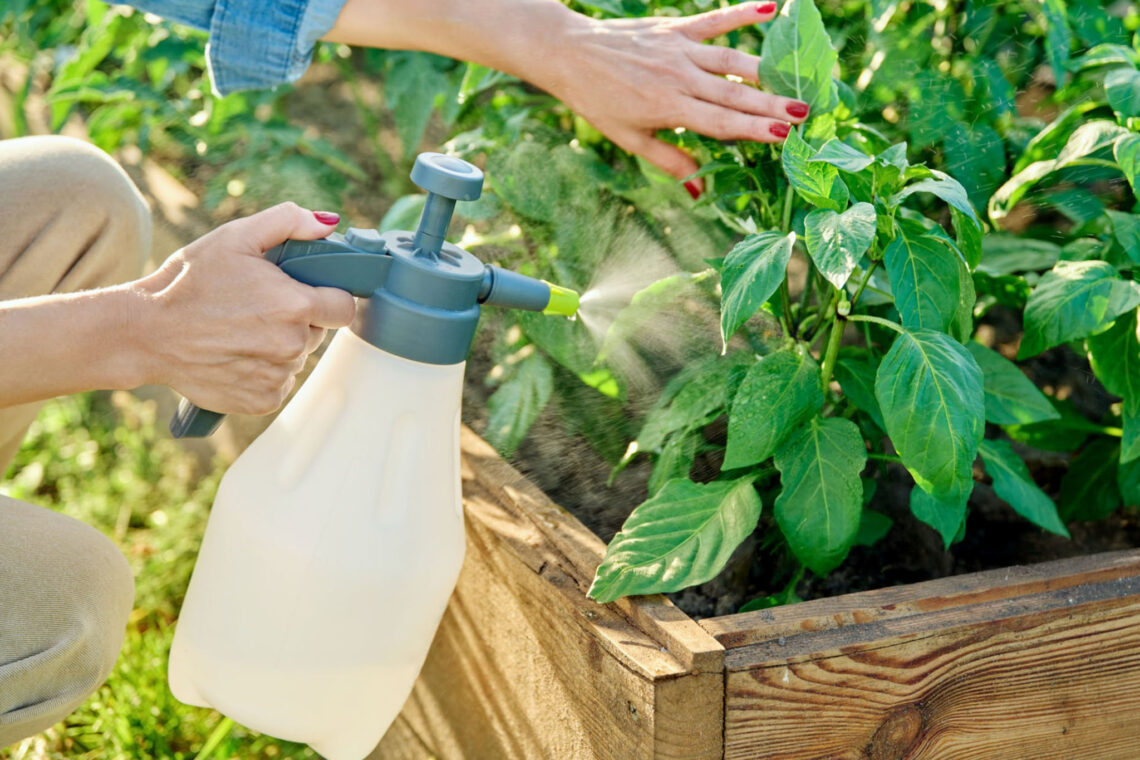
Early spring marks a critical period for gardeners and small-scale farmers in the U.S. It’s not just about planting seeds—it’s also about setting up your soil for long-term health and productivity. One of the most effective strategies for maintaining soil fertility, reducing pests, and improving yields is crop rotation. By thoughtfully rotating crops each season, gardeners can keep their soil biologically active and resilient. Why Crop Rotation Matters Proper crop rotation helps prevent soil depletion, reduces chemical inputs, and fosters stronger, healthier plants season after season. Step 1: Map Your Garden Beds Example: If tomatoes occupied Bed A last year, plant leafy greens or legumes there this spring. Step 2:…
-
Succession Planting for Early Spring Harvests
Early spring is an exciting time for gardeners in the U.S., but short cool-season windows can make harvesting challenging. Succession planting, the practice of planting crops in intervals, is one of the best strategies to maximize your early spring harvest. By staggering planting times and carefully selecting crop varieties, you can enjoy a steady stream of fresh vegetables and herbs throughout the season. Why Succession Planting Works By using succession planting, gardeners can turn a small garden into a highly productive system, ensuring fresh produce well into late spring. Step 1: Plan Your Early Spring Garden Step 2: Schedule Planting Intervals Example: Plant radishes every 10 days to enjoy fresh…
-
Spring Mulching Strategies to Protect Young Plants
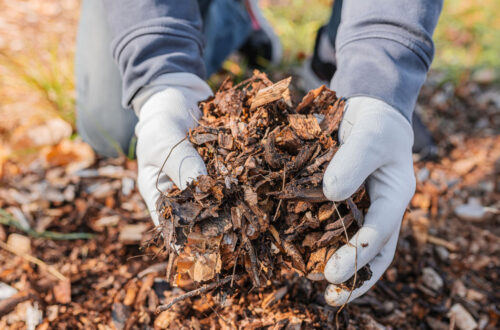
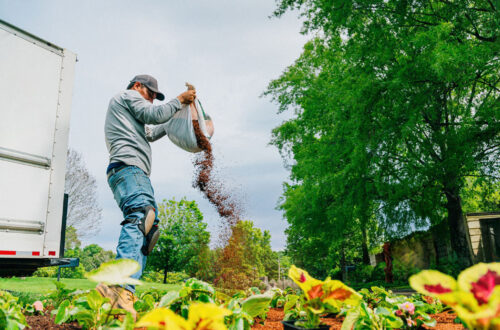
Early spring is a critical period for gardeners and landscapers in the U.S. Young plants, whether seedlings just emerging or perennial shoots breaking through the soil, are highly vulnerable to temperature fluctuations, moisture stress, and weed competition. Mulching is one of the most effective strategies to protect these tender plants while simultaneously improving soil health. In this guide, we’ll explore practical spring mulching strategies that help young plants thrive throughout the season. Why Mulching Matters in Early Spring Using the right mulch and applying it correctly sets your young plants up for rapid growth and long-term health. Step 1: Choose the Right Mulch Organic Mulches Inorganic Mulches Pro tip: For…
-
Seasonal Tool Check: What Gardeners Replace Before Spring
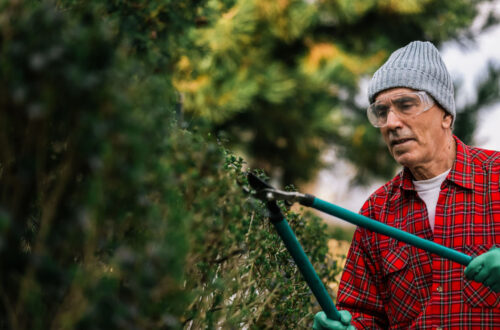
As winter fades and early spring approaches, gardeners across the U.S. begin preparing for the new growing season. While soil prep and seed starting are essential, one often overlooked step is checking and updating your garden tools. Properly maintained and upgraded tools not only make gardening more efficient, but also prevent injuries and ensure plants are handled with care. Here’s a comprehensive guide to what gardeners should replace, sharpen, or repair before spring planting begins. Why a Seasonal Tool Check Matters Spring is the perfect time to inventory, repair, and replace your tools to set yourself up for a smooth gardening season. Tools to Inspect and Replace 1. Pruning Shears…
-
Early Spring Soil Prep: Getting Your Garden Ready for Planting
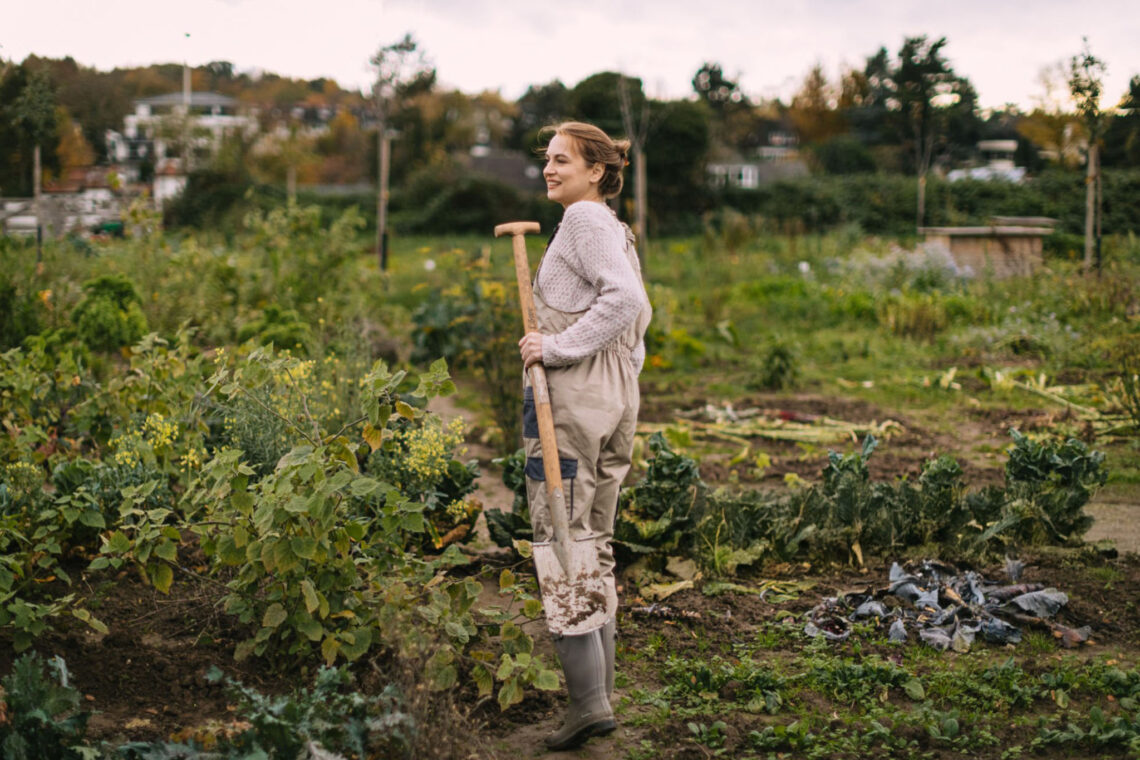
Early spring is one of the most critical times for gardeners. Before seeds go into the ground or transplants take root, preparing your soil correctly can make or break your growing season. Proper soil preparation ensures nutrient availability, promotes strong root growth, improves water retention, and reduces pest and disease problems. Here’s a comprehensive guide to getting your garden soil ready for planting in early spring. Why Early Spring Soil Prep Matters Gardeners who take the time to prep their soil now will see faster germination, healthier plants, and higher yields later in the season. Step 1: Assess Your Soil Before making any changes, know your soil: Testing kits or…
-
Spring Composting Tips: Turning Winter Debris into Fertile Soil
As winter fades and early spring arrives, gardeners across the U.S. are eager to prepare their soil for the growing season. One of the most effective ways to boost soil fertility and improve plant health is through composting winter debris. Leaves, plant clippings, and other organic matter left over from the cold months can be transformed into nutrient-rich compost, providing a natural, sustainable boost for your garden. Why Spring Composting Matters Spring composting ensures that your garden starts the season with soil that is both fertile and biologically active, setting the stage for strong growth. Step 1: Collect and Sort Winter Debris Not all winter debris is equal in composting.…
-
Rotational Grazing in Early Spring: Best Practices
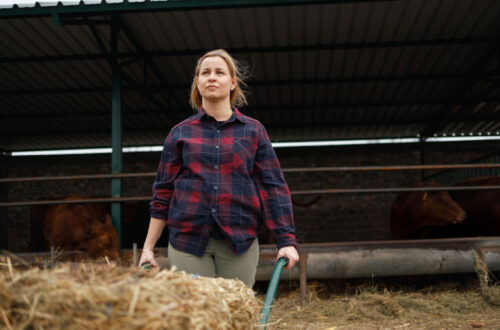
Early spring is a critical time for U.S. ranchers to implement effective rotational grazing practices. As pastures awaken from winter dormancy, careful management can maximize forage growth, prevent soil damage, and support healthy livestock. Improper grazing during this season can lead to soil compaction, pasture overuse, and reduced forage productivity for the rest of the year. Understanding the best practices for early spring rotational grazing ensures a strong start to the grazing season. Why Early Spring Rotational Grazing Matters Winter leaves pastures vulnerable: snowmelt, frozen ground, and early rains create muddy, fragile soils. Overgrazing or unrestricted livestock movement during this time can: By using rotational grazing, ranchers can protect pastures…
-
Spring Rain and Runoff: Protecting Your Pastures and Streams
Spring brings life back to pastures across the United States, but it also brings heavy rain, snowmelt, and the risk of runoff that can damage pastures and pollute nearby streams. For ranchers, managing water flow during early spring is essential to protect soil, forage, livestock, and the surrounding environment. With proper planning and management, you can reduce erosion, prevent nutrient loss, and maintain healthy pasture ecosystems. Understanding Spring Runoff and Its Risks Spring runoff occurs when rainwater or melting snow flows over saturated ground instead of being absorbed into the soil. This runoff can have several negative impacts on ranch operations: Key Strategies to Protect Pastures and Streams 1. Assess…
-
Repairing Mud-Damaged Gates and Fences in Early Spring
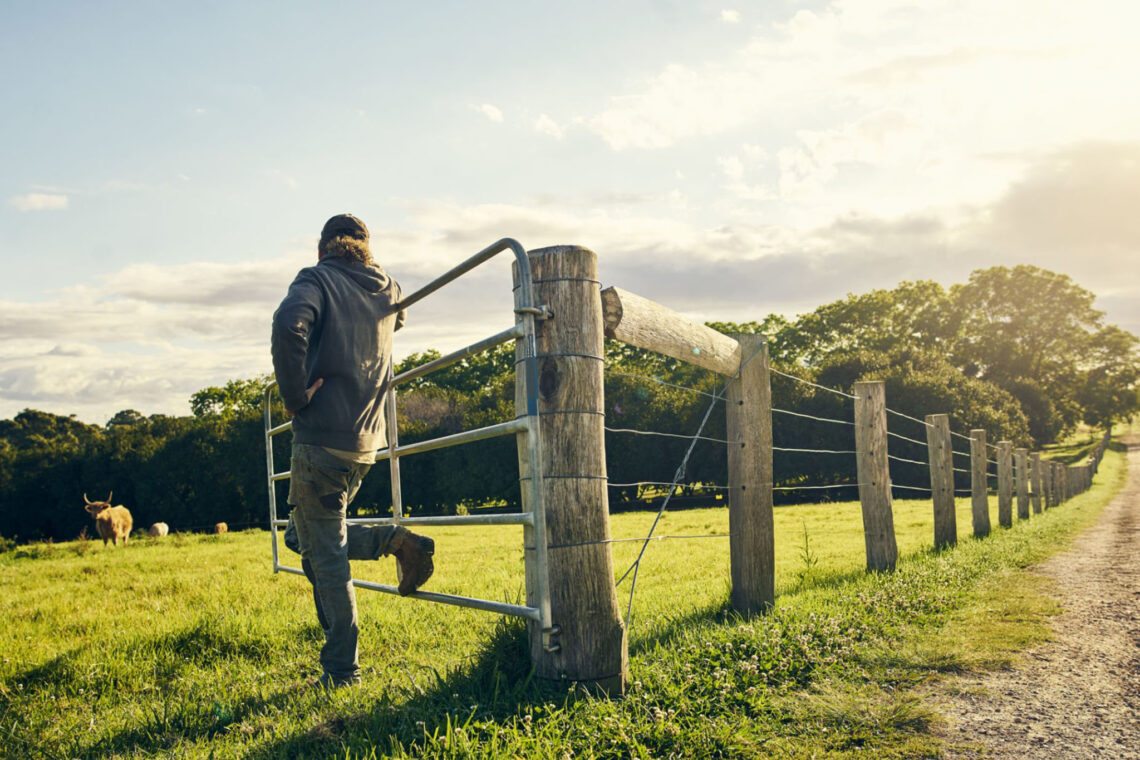
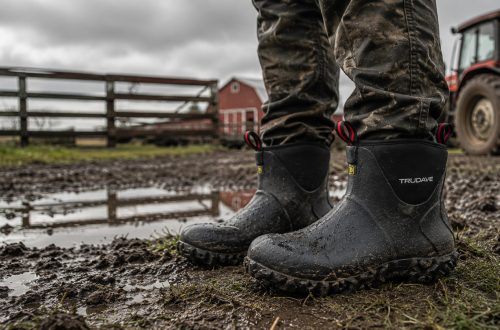
Early spring can be a challenging time for ranchers in the United States. Winter snow, ice, and heavy rains often leave pastures muddy and gates or fences damaged by frozen ground and livestock activity. Mud not only weakens structures but also makes repairs more difficult if not addressed promptly. Repairing gates and fences early ensures livestock containment, pasture protection, and safe operations throughout the grazing season. Why Early Spring Fence Repairs Are Critical Mud-damaged fences and gates present multiple risks: Pro Tip: Inspect fences as soon as ground conditions allow, even before full pasture turnout, to catch damage early. Common Mud-Related Damage Step-by-Step Guide to Repairing Mud-Damaged Gates and Fences…
-
Maintaining Ranch Equipment After Winter: Spring Checklist
Spring is a pivotal season for ranchers in the United States. After months of cold temperatures, snow, and limited outdoor work, ranch equipment needs careful inspection and maintenance before hitting the pastures. Properly maintained machinery and tools improve safety, efficiency, and productivity while reducing costly breakdowns during peak grazing and planting seasons. Following a structured spring checklist ensures your ranch is ready for a busy year ahead. Why Winter Maintenance Matters Winter conditions can take a toll on ranch equipment: A proactive spring maintenance routine ensures that your tractors, ATVs, feeders, and fencing equipment are safe, reliable, and ready for heavy use. Spring Equipment Maintenance Checklist 1. Inspect and Service…