-
Preventing Spring Parasites in Your Livestock
Spring is a critical season for ranchers in the United States. As pastures green up and animals begin grazing after winter confinement, the risk of parasite infestations rises sharply. Parasites such as worms, flukes, lice, and ticks can compromise livestock health, reduce weight gain, and even impact reproduction if not managed properly. Early intervention and preventive strategies are key to maintaining a healthy, productive herd. Understanding Spring Parasite Risks The early spring environment creates ideal conditions for parasite development: Common spring parasites include: Understanding which parasites are most active in your region helps you target prevention effectively. Early Detection Is Crucial Identifying parasite infestations early prevents serious health issues: Pro…
-
Spring Herd Health Checks: Early Season Tips for Ranchers
Spring is a critical time for ranchers across the United States. As pastures green up and livestock emerge from winter confinement, performing thorough herd health checks can set the stage for a productive and profitable grazing season. Early attention to animal health, nutrition, and preventive care reduces disease risk, improves weight gain, and ensures your herd is ready for spring calving, growth, and pasture rotation. Why Spring Health Checks Matter Winter can be tough on livestock: cold temperatures, limited forage, and crowded housing can lead to: Spring herd checks allow ranchers to identify issues early, preventing long-term problems and ensuring animals are in optimal condition for grazing. Pro Tip: Start…
-
Spring Pasture Prep: Getting Your Ranch Ready After Winter
Spring is a pivotal season for American ranchers. After months of winter cold, snow, and dormant pastures, it’s time to prepare your ranch for the new grazing season. Proper spring pasture preparation not only boosts forage growth but also protects livestock, reduces disease risk, and ensures long-term pasture health. Whether you manage a small family ranch or a large commercial operation, following key spring prep steps is essential for a productive year. Assessing Your Pastures After Winter Before any spring work begins, ranchers should walk their pastures and assess winter impacts: Pro Tip: Take notes on areas that need reseeding, fertilizing, or fencing repairs to create a focused action plan.…
-
Managing Muddy Fields: Tips for Early Spring Grazing
Early spring is one of the most challenging times for ranchers across the United States. Melting snow, spring rains, and thawing ground often leave pastures muddy and slippery, making grazing management tricky. Mud not only slows livestock growth and damages pastures but also increases the risk of animal injuries, soil compaction, and disease spread. By implementing smart strategies, ranchers can protect pastures, keep livestock healthy, and optimize forage use even under wet, early spring conditions. Understanding the Challenges of Early Spring Mud Before taking action, it’s important to understand why muddy conditions are particularly problematic in early spring: Key Strategies for Managing Muddy Fields 1. Rotate Pastures Early and Often…
-
Subtle Indicators Your Winter Lots Aren’t Recovering Properly
Winter is more than just a season of low temperatures and frozen pastures. It’s a critical testing ground for your winter lot management practices. By the time spring arrives, the condition of your lots directly impacts animal health, pasture recovery, and grazing efficiency. However, some of the most telling signs that your lots aren’t bouncing back are subtle—easily overlooked until they snowball into problems. Recognizing them early allows ranchers to intervene before recovery is compromised. 1. Uneven Snow Melt Patterns On the surface, snow seems unrelated to lot health, but how it melts can reveal hidden issues. 2. Persistent Ice and Mud Hotspots Late-winter ice or mud pockets aren’t just…
-
Winter Lot Management Tactics That Pay Off in March
Managing winter lots is often viewed as surviving the cold season. But the truth is, how you handle your lots now directly affects herd health, pasture recovery, and grazing efficiency in March and beyond. Proper winter lot management can mean the difference between struggling with mud, disease, and poor weight gain, and entering spring with a healthy, productive herd. Here’s a deep dive into winter lot strategies that pay dividends in early spring. 1. Prioritize Drainage Before the Thaw Frozen or saturated lots are more than just an inconvenience—they are the root of springtime issues. 2. Manage Manure Strategically During Cold Months Winter is often seen as a time when…
-
Why Cattle Drift More in January—and What It Means for Spring Grazing
January is when many ranchers start noticing something subtle but persistent: cattle don’t stay put. Even in familiar pastures or lots, animals drift more, spread out differently, and spend less time settled. This movement isn’t random—and it isn’t just boredom. January drift is a direct response to cold stress, ground conditions, and energy conservation. Understanding why it happens gives you an early look at how cattle will use your land once spring grazing begins. 1. January Drift Is an Energy Strategy, Not Restlessness In deep winter, cattle movement is rarely wasteful. Every step costs energy, so when cattle move more, it’s usually for a reason. Common drivers include: This constant…
-
How January Feeding Habits Shape March Body Condition
By the time March arrives, most body condition scores are already decided. While many ranchers focus on what happens as winter breaks, the reality is simpler—and tougher: January feeding habits quietly set the ceiling for spring condition, performance, and recovery. January is when cold stress, intake efficiency, and metabolic demands collide. What cattle receive—and how they receive it—during this month determines whether March brings strong, adaptable animals or a costly uphill battle. 1. January Is the Metabolic Tipping Point In January, cattle are no longer adapting to cold—they’re enduring it. Extended cold: At this stage, even small intake shortfalls don’t show immediately. Instead, they appear weeks later as: By the…
-
Planning Early Spring Grazing While Winter Still Holds the Land
Early spring grazing decisions are often made weeks before grass actually starts growing. When winter still grips the land—frozen ground, lingering snow, and unpredictable thaw cycles—those decisions can either protect your pastures or quietly set them back for the entire year. Successful ranchers don’t wait for green-up to plan. They read ground conditions, animal behavior, and weather patterns to build a flexible grazing strategy that works with winter, not against it. 1. Why Early Decisions Matter More Than Early Grass The biggest mistake in early spring grazing isn’t turning cattle out too early—it’s failing to prepare for that moment while winter is still active. During late winter: What happens now…
-
Early Spring Fence Prep: Lessons From Deep Winter Wear and Tear
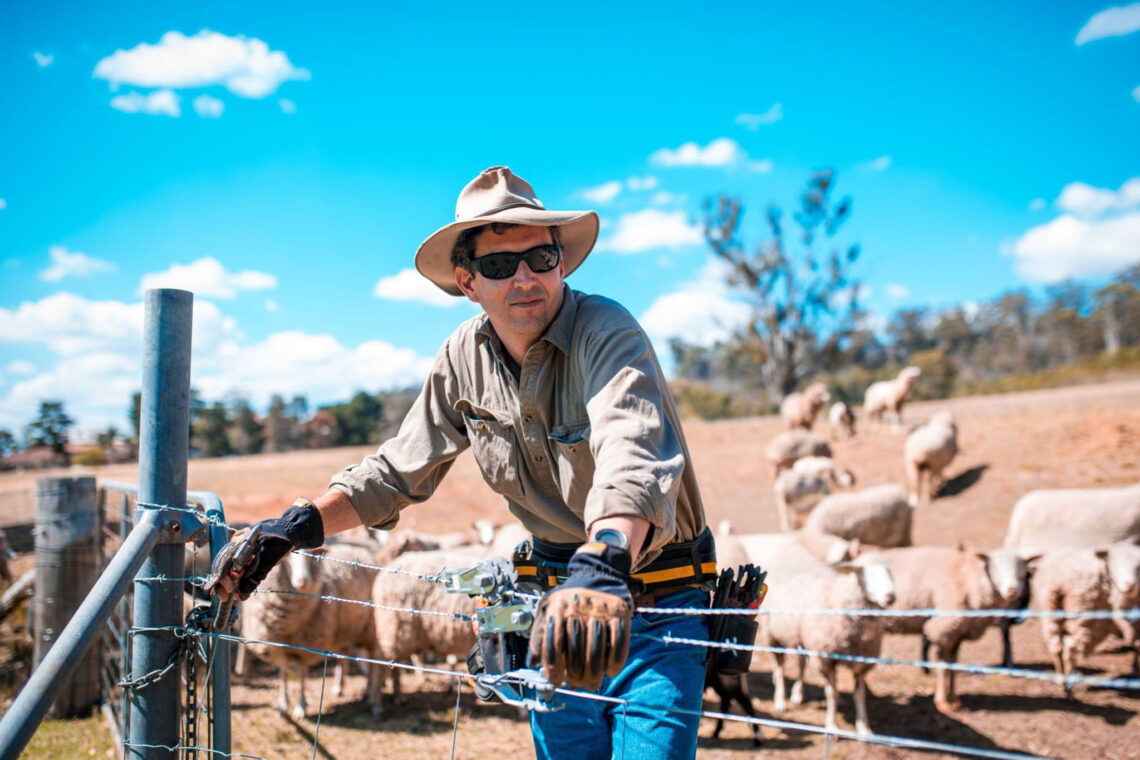
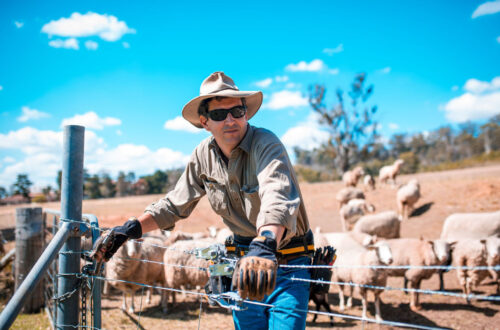
By the time snow starts melting and daylight stretches longer, most fence damage has already happened. Deep winter doesn’t break fences all at once—it wears them down slowly, stressing posts, wire, and braces in ways that often go unnoticed until livestock test the weak spots. Early spring is the best—and sometimes only—window to address that damage before grazing pressure increases. Understanding how winter affects fencing helps ranchers fix the right problems, not just the obvious ones. 1. Winter Doesn’t Break Fences—It Loosens Them Unlike storms or falling trees, winter causes incremental damage: By spring, fences may still be standing—but they’re no longer working as designed. 2. Snow Load Hides Structural…