-
Deep-Litter System Myths: What Actually Works in Sub-Freezing Temperatures
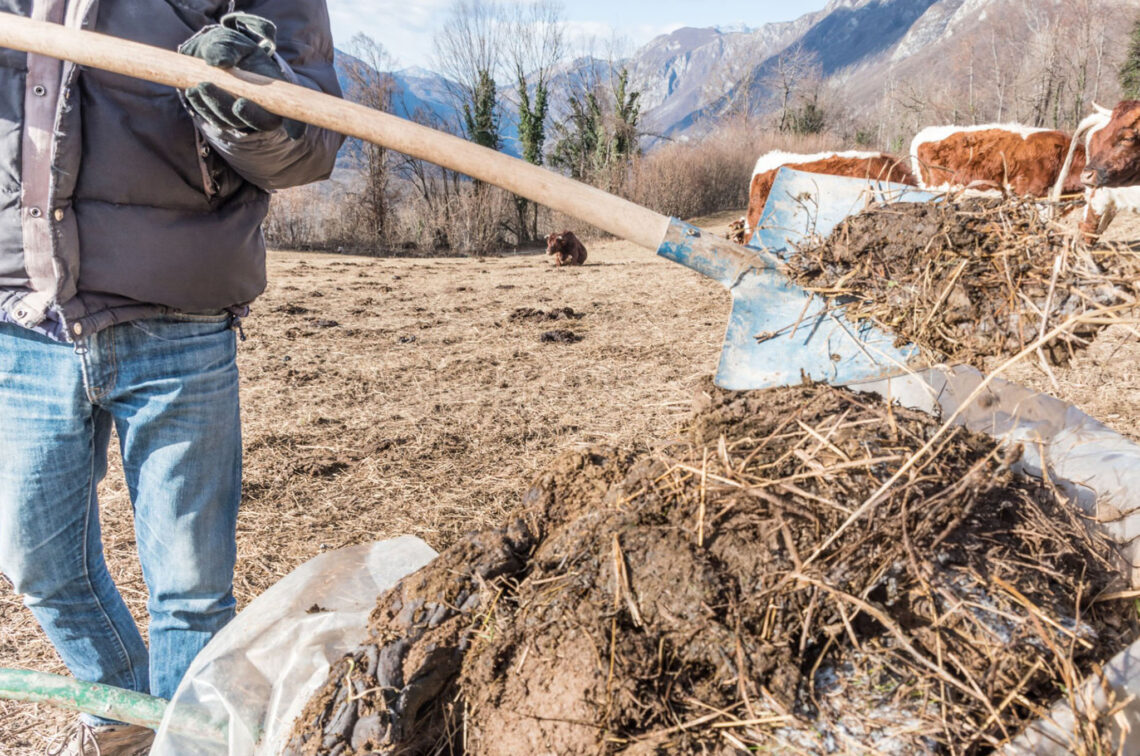
When winter tightens its grip and temperatures plunge below freezing, many barn owners lean on the deep-litter system to keep livestock warm and chores manageable. But with every passing season, new myths spread through homesteading forums, rancher Facebook groups, and coffee-shop conversations. Some are harmless. Others can cost you animal health, indoor air quality, and hundreds of dollars in bedding. This guide breaks down what truly works—and what absolutely doesn’t—when running a deep-litter system through December, January, and the coldest weeks of winter. What the Deep-Litter System Is Really Designed to Do Before we bust the myths, it’s important to understand the system’s purpose: A properly managed deep-litter bed becomes…
-
How to Keep Fencing Stable When Frost Heave Hits Your Pasture
When winter rolls in across the northern U.S., frost heave becomes one of the most frustrating challenges ranchers and landowners face. The cycle is predictable—freeze, thaw, repeat—and every cycle pushes the soil upward, lifting fence posts, bending T-posts, loosening corner braces, and shifting entire sections of fencing out of alignment. A fence that looked rock-solid in October can suddenly be leaning, sagging, or separated by several inches come January.The good news? With the right strategies, you can keep your fencing stable and fully functional—even when frost heave is hammering your pasture. This guide breaks down why frost heave happens, what parts of a fence system are most vulnerable, and the…
-
Evergreen Boosters: Winter Tricks to Keep Your Landscape Looking Alive
When winter settles in, most landscapes across the U.S. go dull, sleepy, and colorless. Lawns fade to tan, perennials die back, and deciduous trees show nothing but bare branches. But evergreens—those steadfast pines, spruces, junipers, cedars, hollies, and arborvitae—stand strong through it all. Even so, winter can be rough on them. Cold winds, moisture loss, snow load, and nutrient shortages all leave their mark. And without a little help, even the hardiest evergreen can lose color, drop needles, or look stressed long before spring. The good news? A few winter tricks can dramatically boost your evergreens, keeping your landscape looking alive, structured, and beautifully green—no matter how deep the winter…
-
Winter Soil Wake-Up: The Secret December Prep That Protects Your Garden for Spring
When temperatures drop and the garden looks like it’s gone to sleep, most people assume the soil is resting too. But December is actually one of the most important months of the year for soil health. What you do right now can decide whether your spring garden bursts to life—or struggles from day one. Winter soil prep isn’t loud, glamorous, or fast. It’s quiet work beneath frozen ground, biological shifts that happen slowly but significantly. And December is the moment when you can put the right ingredients, structure, and microbial support in place before spring even shows up. Here’s how to “wake up” your winter soil and build a foundation…
-
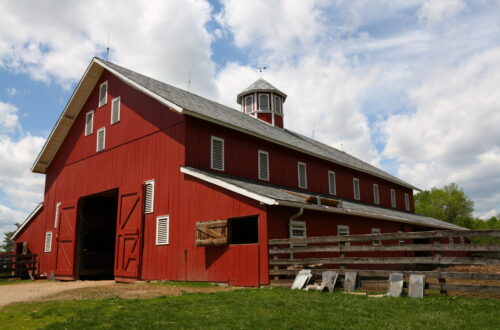
Preparing Your Barn for December: The Essential Checklists for Winter Safety
As the first frost of the year creeps in and the daylight hours shorten, preparing your barn for the winter season is essential. The cold weather can bring a host of challenges for both your livestock and your barn structure, from freezing water lines to the increased risk of respiratory issues due to poor ventilation. Proper winterizing of your barn not only helps protect your animals but also ensures the longevity of your infrastructure, reducing maintenance costs and keeping your herd safe through the coldest months of the year. In this article, we’ll walk you through an essential checklist to ensure your barn is ready for December’s winter chill, focusing…
-
Winterizing Your Pastures: How to Prepare for the Cold Months Ahead
As the fall season winds down and the first frost starts to coat the ground, it’s time for ranchers and farmers to think about winterizing their pastures. Proper preparation ensures your pastures remain healthy, productive, and manageable throughout the cold months ahead. A little proactive care can make a big difference in maintaining soil health, preventing erosion, and providing your livestock with a sustainable food source during winter. Whether you’re managing a small homestead or a large cattle ranch, winterizing your pastures isn’t just about weatherproofing your land—it’s about ensuring that your farm thrives through the most challenging season. Here are essential steps for preparing your pastures for winter, from…
-
Indoor Gardening in December: Tips for Thriving Herb Gardens All Winter Long
When the crisp December air settles in and outdoor gardening slows to a halt, many gardeners turn to indoor spaces to keep their green thumbs active. The winter months don’t have to mean saying goodbye to fresh herbs; in fact, it’s the perfect time to start growing herbs indoors. With the right environment and care, you can have a thriving herb garden that provides fresh flavors all season long. Whether you’re new to indoor gardening or looking to improve your winter herb garden, here are some essential tips to ensure your herbs not only survive but thrive indoors during the colder months. Why Grow Herbs Indoors in December? Winter often…
-
Cold-Hardy Crops for Late Fall Planting: What You Can Still Grow This Season
As the crisp chill of fall settles in and the days shorten, many gardeners think it’s time to pack away their tools and prepare for winter. However, some of the best crops for late-season harvest can still thrive in your garden with just a little extra care and attention. If you’re hoping to extend your growing season into the colder months or simply want to make the most of your garden, you’re in luck. A variety of cold-hardy crops can be planted even in late fall, providing fresh produce long after the first frost. Here’s a closer look at what you can grow and how to ensure your plants survive…
-
Low-Stress Moves: Handling Livestock Safely in Frozen Pastures
When winter settles across the countryside and pastures turn to slick, frozen ground, the job of moving livestock becomes a whole new challenge. Icy footing, cold-stiffened cattle, and limited daylight can turn even routine handling into risky situations for animals and ranchers alike. That’s why low-stress livestock handling isn’t just a philosophy during winter—it’s a necessity. If you’re working cattle, sheep, goats, or even bison in subfreezing conditions, these practices will help you keep animals calm, prevent injuries, and maintain control across frozen pastures. 1. Why Low-Stress Handling Matters Even More in Winter Cold weather does more than chill livestock—it changes their behavior. Winter Conditions Increase Risk Under these conditions,…
-
Cold-Weather Calving: What Ranchers Need to Prep Before the First Freeze
Cold snaps can turn a routine calving season into a high-stakes challenge. When temperatures dip, wet newborn calves lose heat fast, and frozen ground can increase stress on both cows and ranchers. That’s why successful cold-weather calving isn’t about reacting to storms—it’s about preparing for them long before the first freeze hits. Whether you’re managing a small family ranch or hundreds of head across wide-open pastures, here’s everything American ranchers should have dialed in before winter locks in. 1. Assess the Herd Early and Sort Before Weather Turns Preparation begins with the cows themselves. Before temperatures fall: ✔ Body Condition Scores (BCS) Cows entering late gestation in poor condition struggle…