-
Rain Boots vs Waterproof Boots: Which Should You Choose for Wet Outdoor Conditions?
Shopping for footwear that keeps your feet dry can become confusing quickly. Rain boots are waterproof. Many hiking boots are advertised as waterproof. Hunting boots may use waterproof membranes, rubber shells, or a combination of materials. Work boots can also provide waterproof protection. If all of these options are designed to keep water away from your feet, what is the actual difference between rain boots and waterproof boots? More importantly, which type of footwear should you choose for hunting, fishing, farm work, hiking, mud, and everyday wet-weather use? The answer depends on more than waterproofing. Rain boots and other waterproof boots are designed around different priorities. Traditional rain boots emphasize…
-
How to Prevent Blisters in Rain Boots: 10 Practical Tips for All-Day Comfort
Rain boots are excellent at keeping water, mud, and wet grass away from your feet. Unfortunately, waterproof does not always mean comfortable. Many hunters, anglers, farmers, landscapers, and outdoor workers have experienced the same problem: a pair of rain boots feels fine at first, but after an hour of walking, the heel begins to rub, the socks start bunching, and painful hot spots develop. By the end of the day, a small irritation can become a blister that makes every step uncomfortable. Blisters in rain boots are usually caused by a combination of friction, moisture, heat, poor fit, and repeated movement inside the boot. The good news is that most…
-
Rubber Boots vs Neoprene Boots: Which Is Better for Hunting and Wet Weather?
Choosing waterproof boots becomes more complicated when you start comparing materials. Rubber boots have been used for decades by hunters, farmers, anglers, and outdoor workers who need dependable protection from water and mud. Neoprene boots have also become popular, especially among people who want more flexibility, warmth, and comfort in cold or wet conditions. The problem is that many outdoor boots combine both materials. A boot may use rubber around the foot and lower leg while using neoprene through the upper shaft. Other models rely more heavily on rubber construction. This can make product descriptions confusing. Are neoprene boots actually waterproof? Are rubber boots more durable? Which material is warmer?…
-
Best Rain Boots for Wet Grass: What to Look for Before You Buy
Walking through wet grass can soak your feet faster than many people expect. You do not need heavy rain, deep puddles, or flooded terrain to end up with wet socks. Morning dew, recently watered fields, tall vegetation, and rain-soaked lawns can continuously brush against your footwear as you walk. After enough exposure, shoes that seem water-resistant around town may allow moisture to reach your socks. For hunters, farmers, dog owners, landscapers, anglers, and anyone who regularly spends time outdoors, choosing the right footwear for wet grass can make the difference between staying comfortable and spending the rest of the day with cold, damp feet. The best rain boots for wet…
You May Also Like
Rubber vs. Neoprene — The Science Behind Trudave Gear’s Rain Boot Materials (And Why It Matters When You’re Standing in a Puddle)

Winter Composting: Turning Cold Weather Into Nutrient Gold for Spring Gardens
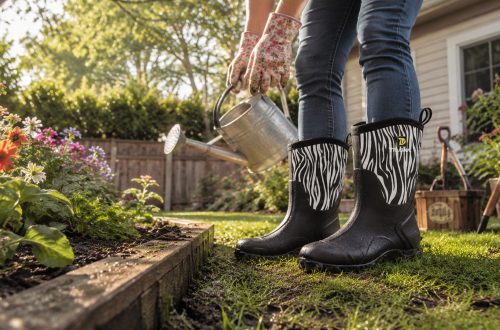
The Rain Boots You’re Wearing Are Failing You—Here’s Why (And How to Fix It)
-
Tall vs Mid-Calf Rain Boots: Which Boot Height Is Better?
Choosing a pair of rain boots often starts with waterproofing, traction, comfort, and price. Boot height is easy to overlook. However, the difference between tall and mid-calf rain boots can significantly affect comfort, mobility, water protection, and overall performance. Tall rain boots provide more coverage against deep mud, standing water, wet vegetation, and heavy rain. Mid-calf boots are generally easier to put on, lighter on your feet, and more convenient for activities that require frequent movement. Neither design is automatically better. The right choice depends on where you use your boots, how far you walk, how deep the water or mud may become, and how much protection you actually need.…
-
Why Do Rubber Boots Crack? 9 Common Causes and How to Make Them Last Longer
A good pair of rubber boots is designed to handle rain, mud, wet grass, standing water, and demanding outdoor conditions. But rubber boots do not last forever. Over time, some boots develop small surface cracks, split around flex points, become stiff, or start leaking even when the tread still looks usable. For hunters, anglers, farmers, and outdoor workers, cracked rubber boots are more than a cosmetic problem. Once the outer material loses its flexibility or develops a deep split, waterproof protection can quickly disappear. The frustrating part is that many rubber boots fail earlier than they should because of improper cleaning, storage, drying, or exposure to environmental conditions that gradually…
-
How Should Rain Boots Fit? A Practical Sizing Guide for Outdoor Use
Traditional rubber boots do not stretch very much over time. If a pair feels painfully tight when you first try them on, they are unlikely to become significantly more comfortable after extended use. At the same time, buying oversized boots can create other problems. Excessively loose rain boots may cause: A slightly relaxed fit is useful because outdoor conditions change. You might wear lightweight moisture-wicking socks during warm weather and thicker wool socks when temperatures drop. Your boots should accommodate both situations without becoming uncomfortable. How Much Room Should You Have in the Toe Box? The toe box should provide enough space for your toes to move naturally. When standing…
-
The Rain Boot You Actually Need: A Seasonal Guide to Staying Dry
There’s a question I hear all the time from gardeners, farmers, and outdoor workers: “Can’t I just buy one good pair of rain boots and wear them for everything?” The short answer is no. The longer answer is that trying to make one boot do every job is the fastest way to end up with cold feet, sweaty feet, or both. I learned this the hard way. For years, I bought the same style of rain boot and wore it for everything—mucking out the barn, working in the garden, walking the dog, and standing in the rain at job sites. And every single time, I was uncomfortable. Either my feet were…
You May Also Like
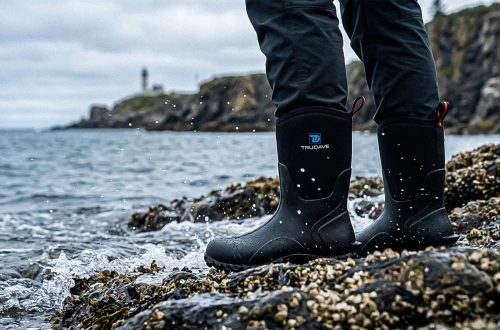
Best Boots for Potato Farm Work: Waterproof Footwear for Muddy Fields, Harvest, Irrigation, and Long Farm Shifts
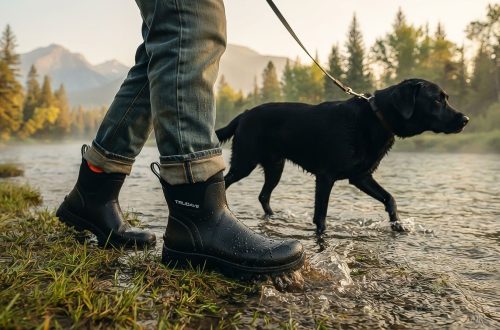
Rubber Boots vs Neoprene Boots: Which Is Better for Hunting and Wet Weather?
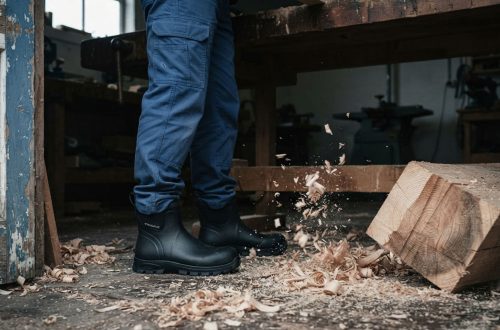
Best Boots for Mushroom Farm Work: Waterproof Footwear for Wet Floors, Compost, Washdown, and Long Shifts
-
One Rain Boot, Four Jobs: Why the “Versatile” Boot Is Often the Worst Choice
There’s a question I hear all the time from farmers, gardeners, and outdoor workers: “Can’t I just buy one good pair of rain boots and wear them for everything?” The short answer is no. The longer answer is that trying to make one boot do every job is the fastest way to end up with cold feet, sweaty feet, or both. I learned this the hard way. For years, I bought the same style of rain boot and wore it for everything—mucking out the barn, working in the garden, walking the dog, and standing in the rain at job sites. And every single time, I was uncomfortable. Either my feet were…
-
The 5-Year Rain Boot: How to Make Your Trudave Gear Outlast the Competition
You’ve finally done it. You’ve bought a pair of rain boots that actually work — 100% waterproof, steel shank protection, and the right insulation for your climate. You’ve escaped the cheap boot trap and invested in gear that should last for years. But here’s the question most people never ask: how do you keep them that way? I’ve seen it happen a hundred times. A farmer buys a quality pair of boots, wears them hard for a season, and then tosses them in the garage when the weather warms up. By the time fall rolls around, the rubber has hardened, the neoprene has lost its flexibility, and water is seeping through…