-
The Mid-Summer Rotation Shift That Protects Your Grass
By the time mid-summer hits, many grazing systems start to show stress. What worked in spring—fast rotations, aggressive stocking, and rapid regrowth—begins to fall apart. Grass doesn’t bounce back like it used to. Recovery slows. Some paddocks get overgrazed while others become too mature to be useful. And yet, many ranchers keep running the same plan. That’s where the problem starts. Mid-summer requires a rotation shift—a deliberate adjustment in how, when, and how long cattle graze each paddock. Without it, pasture quality declines quickly, and long-term productivity takes a hit. Why Spring Grazing Strategies Fail in Mid-Summer Spring conditions are ideal for growth: This allows for: But mid-summer brings a…
-
How to Manage Grazing When Growth Becomes Unpredictable
There’s a point every summer when pasture management stops feeling predictable. One week, grass is growing faster than your cattle can keep up. The next, everything slows down—sometimes almost overnight. Rain becomes inconsistent, heat intensifies, and suddenly your grazing plan no longer matches reality. Unpredictable growth is one of the toughest challenges in pasture management—and one of the easiest ways to lose control of your system. But experienced ranchers don’t try to fight variability. They manage around it. Why Pasture Growth Becomes Unpredictable By mid-summer, several factors start working against consistency: This creates a situation where: A fixed grazing plan can’t keep up with these changes. The Core Principle: Manage…
You May Also Like
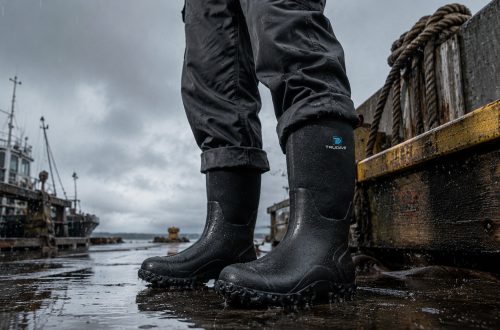
The 2026 Rain Boot Revolution: How Trudave Gear Is Solving the Market’s Biggest Problems at Direct-to-Consumer Prices
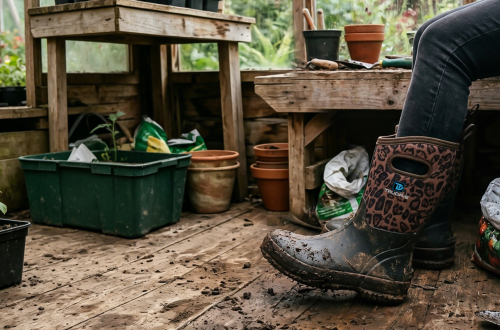
The “Get Out the Door” Guide: How Trudave Gear Rain Boots Eliminate the Friction Between You and Your Outdoor Life
How to Read Ranch Ground Health Before Grass Ever Greens Up
-
Why Green Grass Doesn’t Always Mean High-Quality Feed
Walk into a pasture in early summer and everything can look perfect. The grass is green. There’s plenty of it. From a distance, it feels like your cattle have more than enough to eat. But then something doesn’t add up—weight gain slows, grazing patterns change, and overall performance drops. The problem isn’t quantity. It’s quality—and green grass doesn’t always mean high-quality feed. Understanding the difference can make or break your grazing strategy during the most critical part of the season. The Misleading Nature of Green Grass Color is one of the most deceptive indicators in pasture management. Green grass simply means: But it tells you almost nothing about: In early…
-
Why Your Forage Quality Drops Faster Than Your Cattle Can Adapt
In early to mid-summer, many ranchers notice something that doesn’t quite add up. The pasture still looks green. There’s still plenty of grass. Yet cattle performance starts to slip—weight gain slows, grazing behavior changes, and overall efficiency drops. What’s going on? Your forage quality is declining faster than your cattle can adapt to it. Understanding this shift—and acting on it early—is critical if you want to maintain herd performance and protect your pasture through the rest of the season. The Illusion of “Good” Pasture One of the biggest misconceptions in grazing management is this: Green grass equals high-quality feed. In reality, color tells you very little about nutritional value. As…
-
Why Keeping the Same Grazing Plan Can Backfire in Early Summer
A grazing plan that worked perfectly in spring can quietly fail as early summer begins. At first glance, everything may look fine—grass is still present, cattle are grazing, and rotations seem to be on track. But underneath the surface, conditions are changing fast. And if your grazing strategy doesn’t change with them, problems can develop before you even realize it. Keeping the same grazing plan in early summer isn’t just ineffective—it can actively work against your pasture and your herd. The Problem: Conditions Change, But the Plan Doesn’t Spring grazing plans are typically built around: But early summer brings a different reality: When your plan stays the same while conditions…
-
How to Adjust Stocking Pressure Before Pastures Get Stressed
As late spring transitions into early summer, many ranchers face a subtle but critical shift: pasture growth begins to slow, temperatures rise, and grazing pressure starts to build—often before it’s obvious. By the time pastures look stressed, the damage is already underway. That’s why the most effective grazing systems aren’t reactive—they’re proactive. Knowing how to adjust stocking pressure before pastures get stressed is one of the most important decisions you’ll make all season. What Is Stocking Pressure (and Why It Matters Right Now) Stocking pressure refers to how much grazing demand is placed on your pasture at a given time. It’s influenced by: In late spring, rapid growth can mask…
-
How to Manage Grass Before It Turns From Quality to Waste
In late spring and early summer, pasture can go from high-performance feed to low-value waste faster than most ranchers expect. One week, your fields are packed with lush, nutrient-rich forage. Two weeks later, that same grass may be tall, stemmy, and largely ignored by your cattle. The difference isn’t luck—it’s management. Knowing how to manage grass before it crosses that tipping point is one of the most important skills in modern grazing systems. Done right, it improves cattle gains, reduces feed costs, and keeps your pastures productive deep into the season. Why Grass Quality Declines So Quickly Grass doesn’t stay in its most nutritious stage for long. As it matures,…
-
The Late Spring Growth Surge That Can Backfire Quickly
Every rancher looks forward to that moment in late spring when pastures finally explode with growth. After a long winter and a slow early season, grass seems to take off almost overnight. Fields turn deep green, forage appears abundant, and it feels like the hard part is behind you. But here’s the reality many experienced ranchers understand: That late spring growth surge can backfire—fast—if it’s not managed correctly. What looks like abundance today can quickly turn into wasted forage, declining pasture quality, and long-term productivity issues that carry well into summer and even fall. Let’s break down why this happens—and how to stay ahead of it. Why Late Spring Growth…
-
The Late Spring Grazing Adjustment Most Ranchers Delay Too Long
Late spring is a turning point on any ranch. Grass is growing fast, cattle are gaining momentum after winter, and pastures seem full of opportunity. But beneath that green surface lies a critical decision window—one that many ranchers miss. The biggest mistake? Waiting too long to adjust your grazing strategy. By the time most ranchers realize a change is needed, the damage to pasture health and herd performance has already begun. Understanding what adjustment to make—and when to make it—can be the difference between a productive grazing season and one that falls short. Why Late Spring Requires a Strategy Shift Early spring and late spring are not the same—and treating…
-
The Late Spring Grass Trap That Leads to Overgrazing Fast
Late spring is one of the most productive—and deceptive—times of the year for pasture growth. Fields turn green almost overnight, grass seems abundant, and it’s easy to assume your grazing system is in great shape. But this is exactly where many ranchers fall into a costly mistake. What looks like plenty of forage can quickly turn into overgrazing, and the damage often isn’t obvious until weeks—or even months—later. Understanding this late spring “grass trap” is key to protecting both your pasture and your herd’s long-term performance. Why Late Spring Growth Can Be Misleading During late spring, grasses enter a rapid growth phase fueled by: At first glance, this surge creates…