-
What Most Ranchers Miss When Grass Growth Suddenly Changes Behavior
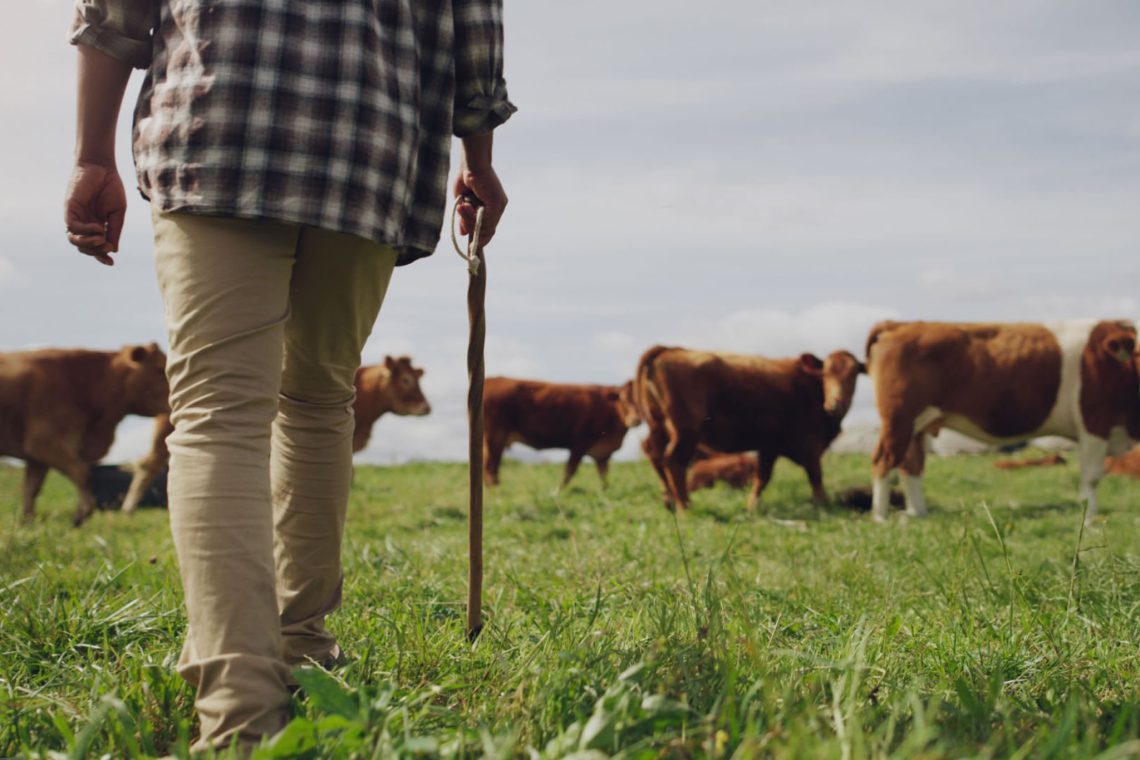
There’s a moment every rancher notices sooner or later: everything is growing fast, the pasture looks strong, and then almost overnight, something feels off. Grass that was thriving starts behaving differently. Growth becomes uneven, certain areas slow down, and forage that looked abundant suddenly isn’t grazing the same way. Most people assume it’s just weather or timing. But in reality, this shift is one of the most important signals your pasture can give you. Grass doesn’t just grow—it responds. And when its behavior changes, your entire grazing system is about to change with it. Understanding what’s happening beneath the surface is what separates reactive management from proactive ranching. The Hidden…
-
Why Your Pasture Looks Healthy but Isn’t Supporting Your Herd Properly
At first glance, everything may look perfect. Your pasture is green, grass is growing, and the land appears productive. But when you actually observe your herd—weight gain slows, grazing becomes uneven, and supplemental feed needs increase—it becomes clear something isn’t adding up. This is one of the most frustrating situations for ranchers in late spring and early summer: A pasture that looks healthy but fails to perform. The problem isn’t always obvious above ground. In many cases, it comes down to how forage quality, plant maturity, and grazing dynamics are changing beneath the surface. The Hidden Gap Between Appearance and Productivity A lush green pasture does not always equal high-quality…
-
The Mistake That Causes Spring Pastures to Underperform Later
Spring is when everything feels like it’s working in your favor. Grass is growing fast, pastures look full, and livestock performance starts to climb. It’s easy to assume that more growth now automatically means better results later. But for many ranchers, the opposite happens. By early summer, pastures begin to slow down, forage quality drops, and grazing pressure builds faster than expected. What looked like a strong start turns into a season-long struggle. The root of the problem usually comes down to one critical mistake: Letting spring growth get ahead of your grazing management. This single issue can quietly reduce pasture performance for the rest of the year. Why Spring…
-
How to Adjust Grazing Rotation as Growth Rates Begin to Decline
Spring growth can feel unstoppable—until it isn’t. One week your pastures are exploding with forage, and the next, regrowth starts slowing down. If you don’t adjust your grazing rotation at the right time, that shift can quietly reduce pasture productivity, lower forage quality, and impact livestock performance for the rest of the season. The key isn’t reacting after growth declines—it’s adjusting your rotation strategy as soon as the slowdown begins. In this guide, we’ll break down how to recognize the shift, why it matters, and exactly how to modify your grazing system to stay ahead of declining growth rates. Why Grazing Rotation Must Change in Late Spring During early spring:…
-
Why Your Pasture Isn’t Performing as Well as It Should This Spring
Every spring brings the same expectation: fresh growth, strong forage, and a pasture ready to carry your herd. But for many ranchers, reality doesn’t match the picture. The grass greens up—but performance lags behind. Maybe your cattle aren’t gaining like they should. Maybe you’re running out of usable forage faster than expected. Or maybe the pasture just isn’t responding the way it has in past years. If that sounds familiar, you’re not dealing with bad luck—you’re dealing with hidden limiting factors that quietly reduce pasture performance. Let’s break down what’s really holding your pasture back this spring—and how to fix it. What “Underperforming Pasture” Really Means A pasture that isn’t…
-
Why Your Pasture Looks Green but Isn’t Producing Enough Feed
At first glance, your pasture looks perfect—lush, green, and full of growth. But once livestock hit the field, reality sets in fast. Grazing pressure builds, animals start roaming more, and suddenly there’s not enough usable forage to go around. If you’ve ever wondered why a pasture that looks healthy isn’t actually feeding your herd, you’re not alone. This is one of the most common—and costly—misunderstandings in spring pasture management. The truth is simple: green doesn’t always mean productive. The Illusion of “Green Equals Good” In spring, rapid growth creates a visual illusion. Grass greens up quickly, especially after rain, but not all growth is equal in terms of: A pasture…
-
The Hidden Pasture Spots That Feed Livestock During Dry Spring Patches
Spring is a time of rapid growth and renewal for pastures, but it’s also a season of unpredictability. While most ranchers focus on the obvious grazing areas, hidden microzones within your pasture can provide critical nutrition for livestock during dry patches. Understanding and utilizing these hidden spots can mean the difference between stressed animals and thriving herds, especially when early spring moisture is inconsistent. Understanding Dry Spring Patches Dry spring patches occur when certain areas of a pasture dry out faster than others due to variations in soil type, topography, drainage, or sun exposure. These patches can leave livestock with limited forage options, creating stress that affects weight gain, grazing…
-
Spring Watering Strategies That Prevent Pasture Stress
Spring is the time when pastures awaken from winter dormancy, and forage begins its rapid growth. However, this crucial season also presents unique challenges for ranchers. One of the most overlooked factors in early spring is water management. Improper watering, whether too little or too much, can stress your pasture, stunt growth, and affect livestock performance. In this article, we’ll explore practical strategies to maintain healthy, stress-free pastures this spring. Understanding Pasture Stress in Early Spring Pasture stress occurs when grass and forage plants are unable to grow at their optimal rate due to environmental or management factors. In spring, stress is often linked to inconsistent soil moisture. After a…
-
The One Change That Can Double Your Plant Growth This Month
Spring is in full swing, and gardeners everywhere are eager to see their plants thrive. Whether you’re growing vegetables, flowers, or herbs, it’s natural to look for ways to maximize growth in these critical weeks. Surprisingly, the difference between a struggling garden and one bursting with life often comes down to one simple change. What That Change Is: Optimizing Your Soil’s Microbial Life The secret to doubling plant growth isn’t buying the most expensive fertilizers or spending hours in the garden. The one change that has the most dramatic impact is enhancing the biological activity in your soil. Plants rely on soil microbes—bacteria, fungi, and beneficial nematodes—to break down organic…
-
The Spring Gardening Mistake Almost Everyone Makes Without Knowing
Spring is one of the most exciting times of the year for gardeners. The sun is warmer, days are longer, and the soil is finally ready for planting. But even seasoned gardeners often fall into the same trap—without even realizing it. This common mistake can drastically affect plant growth, yield, and overall garden health, and it’s happening in yards across the U.S. every spring. What the Mistake Is: Planting Too Early or in the Wrong Conditions The mistake is deceptively simple: starting your garden before the soil and environmental conditions are truly ready. Many gardeners plant as soon as the first warm days arrive, assuming that if the air feels…