-
Pasture Prep: Rotational Grazing and Soil Care Before Snow
As the days shorten and temperatures drop, ranchers and livestock managers face a crucial period: preparing pastures for winter. Proper late-fall management not only protects soil health and forage for the coming season but also ensures livestock enter winter in strong condition. Two key practices—rotational grazing and soil care—can make the difference between a productive spring and a struggling pasture. This article provides a detailed guide on how to optimize grazing, protect soil, and prepare pastures before the first snowfall. 1. Understanding Late-Fall Pasture Challenges Before winter, pastures experience several stress factors: Addressing these challenges requires careful planning and active pasture management. 2. Rotational Grazing: Timing and Strategy Rotational grazing…
-
Hay and Harvest: Maximizing Feed Before the Deep Freeze
As late fall settles in and the first signs of winter creep across the pasture, ranchers face a critical challenge: ensuring livestock have enough feed to stay healthy and productive through the deep freeze. The period between harvest completion and the first major frost is a golden opportunity to maximize feed efficiency, maintain animal health, and prepare pastures for winter. This article provides a comprehensive guide on strategies for feed management, storage, and livestock nutrition during the critical pre-winter window. 1. Understanding Late-Fall Feed Challenges During late fall, several factors affect livestock nutrition: Recognizing these factors early allows ranchers to plan feed distribution efficiently and avoid shortages when the deep…
-
Seeds of Spring: Why Winter Planning Makes for a More Productive Garden
When the garden beds lie frozen and the air smells of woodsmoke instead of compost, most growers might think the work is done. But seasoned gardeners know better — winter isn’t an ending; it’s the quiet beginning of next season’s success. The most productive gardens don’t just appear with the first thaw — they’re born in the stillness of winter, when planning, reflection, and preparation take root long before the first seed touches the soil. If you want next spring’s garden to be your most bountiful yet, now’s the time to put in the mental work. Here’s how smart winter planning turns cold days into fertile ground for future growth.…
-
Garden Tools and Cold Hands: End-of-Season Maintenance Every Grower Should Do
When the garden finally slows and the frost begins to settle in, most growers feel that deep mix of relief and reflection. The beds are quiet, the weeds have retreated, and the long days of summer labor are behind you. But before hanging up your gloves for good, there’s one more round of work that can make or break next year’s growing season — end-of-season maintenance. Cold hands and stiff fingers aside, this is the time to take care of the tools, soil, and systems that have carried you through the year. Neglect them now, and you’ll pay for it come spring. Give them a little attention, and your garden…
-
Chores Before Dawn: The Rhythm of Winter Ranch Mornings
There’s something sacred about a winter morning on the ranch — that quiet hour before the first light stretches across the horizon, when breath hangs in the cold air and the world feels half-asleep. Long before most people start their day, ranchers are already knee-deep in chores, working by the glow of a headlamp or the steady beam of a barn light. These early hours aren’t glamorous, but they’re where the real rhythm of winter ranch life beats strongest — a blend of discipline, care, and respect for both the land and the animals that depend on it. 1. The Sound of the Day Starting Before the sun even hints…
-
Frozen Fences and Feeding Routines: Managing a Ranch Through the First Hard Freeze
When the first hard freeze of the season hits, life on the ranch changes overnight. The soft mud that’s been under your boots for weeks suddenly turns to stone, troughs freeze solid before breakfast, and even the simplest chores demand a little more grit. Early winter is both a test of preparation and a reminder of why ranchers are some of the toughest, most resourceful people around. Managing your operation through that first freeze isn’t just about surviving the cold — it’s about keeping your animals healthy, your equipment functional, and your routines efficient until spring comes back around. 1. The Early Warning Signs of a Hard Freeze The first…
-
Mulch, Moisture, and Morning Frost: Building Winter Protection That Lasts
When the mornings turn silver with frost and the last leaves fall, your garden’s next challenge begins: surviving the long, cold months ahead. What happens under the mulch line this winter will determine how healthy your garden is come spring. Protecting your plants from harsh freeze-thaw cycles isn’t about luck—it’s about strategy, and the best gardeners know that mulch and moisture work together to create insulation that endures. This is the season of preparation, when smart layering, timing, and material choice can make the difference between plants that thrive and those that fade away by February. 1. Why Winter Protection Matters More Than You Think Winter isn’t just cold—it’s unpredictable.…
You May Also Like

The Slip-On Revolution — Why Trudave Gear Is Redefining What a Rain Boot Should Feel Like, Fit Like, and Do
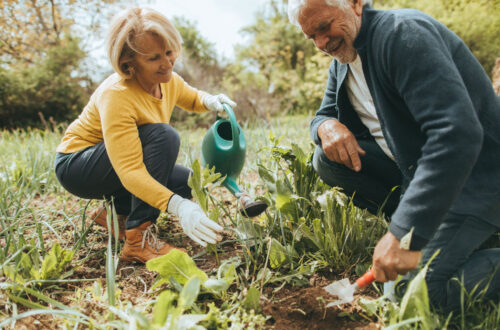
Mulch Magic: How Winter Ground Cover Protects Your Soil and Roots
Best Boots for Car Wash Workers and Auto Detailers: Footwear for Wet Concrete, Pressure Washing, Soap, and Long Shifts
-
Roots Rest Easy: How to Put Your Garden to Bed Before the First Snow
As the air sharpens and frost starts whispering across the fields, there’s a quiet truth every gardener knows: a strong spring starts in the fall.Before winter’s first snow blankets your garden, it’s time to tuck your soil, roots, and perennials in for their long, cold rest. This is not just about cleaning up — it’s about giving your garden the structure, nutrients, and protection it needs to wake up healthy and vibrant when the thaw comes. In many ways, putting your garden to bed is like closing a well-loved book for the season. You know the story isn’t over — you’re just giving it the rest it deserves before a…
-
Feeding Through Frost: How to Keep Energy Levels Up When Grass Is Gone
When the first hard frost hits and the pastures turn from green to gray, every rancher and livestock owner faces the same challenge: how to keep animals healthy, full, and energized when the grass is gone. It’s the turning point in the ranch year—the end of grazing and the beginning of feeding season. What you do now determines not just how your animals survive winter, but how they perform next spring. Feeding through frost is both an art and a science. It’s about understanding animal metabolism, balancing nutrition under cold stress, and managing feed efficiently when natural forage can no longer do the job. Understanding the Winter Energy Equation When…
-
Hay, Hard Work, and Heavy Coats: The Realities of Ranch Life Before Winter
As the last of the autumn color fades and the morning frost begins to linger, ranchers across the country shift into overdrive. The weeks before winter aren’t a slowdown—they’re a sprint against the clock. This is the season of hay stacks, diesel mornings, and sore shoulders. It’s when the real work of the ranch happens, the kind that decides whether your stock and your land will thrive through the bitter months ahead. Late fall on the ranch is a balance between preparation and endurance. Every task—from checking water lines to building windbreaks—serves one purpose: survival. The land is changing, the animals are adapting, and so must the people who care…