-
Best Boots for Landscape Construction and Hardscape Work
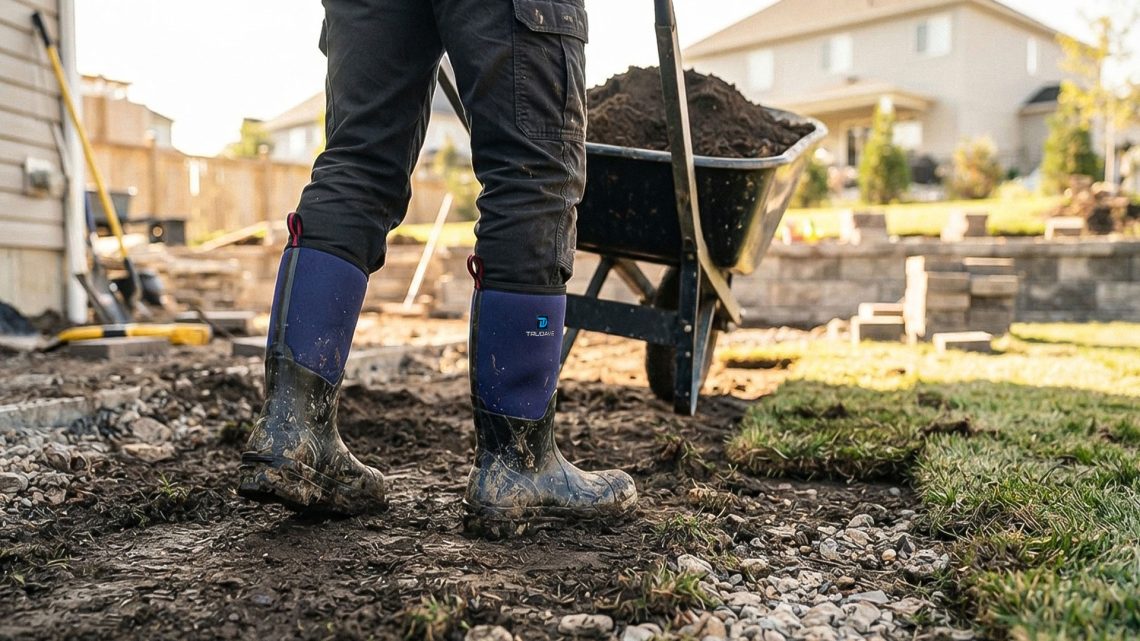
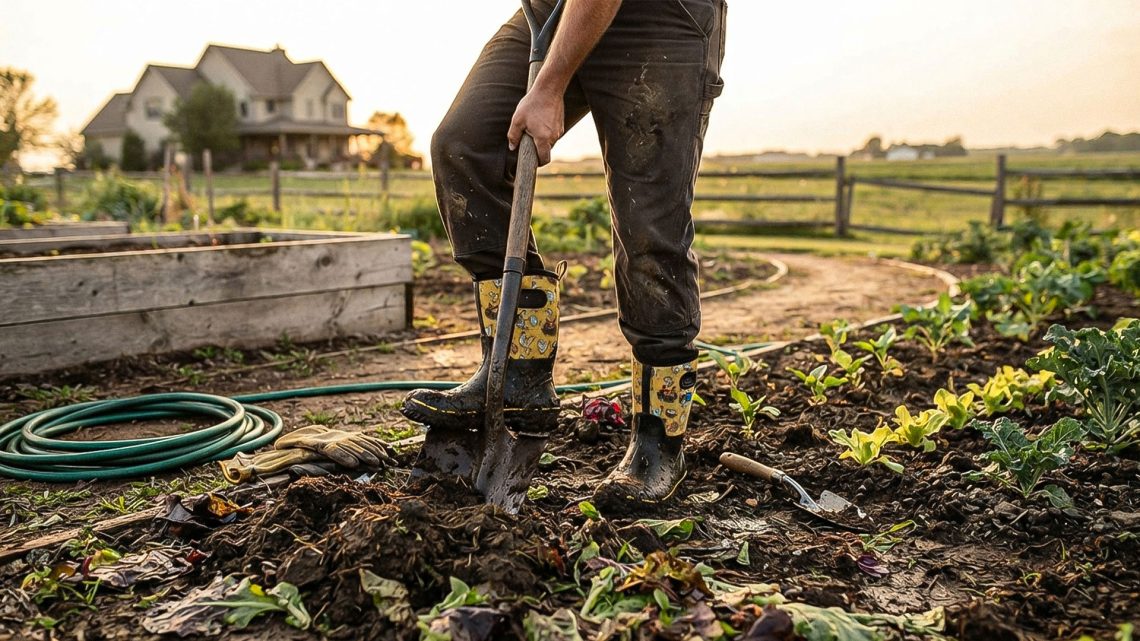
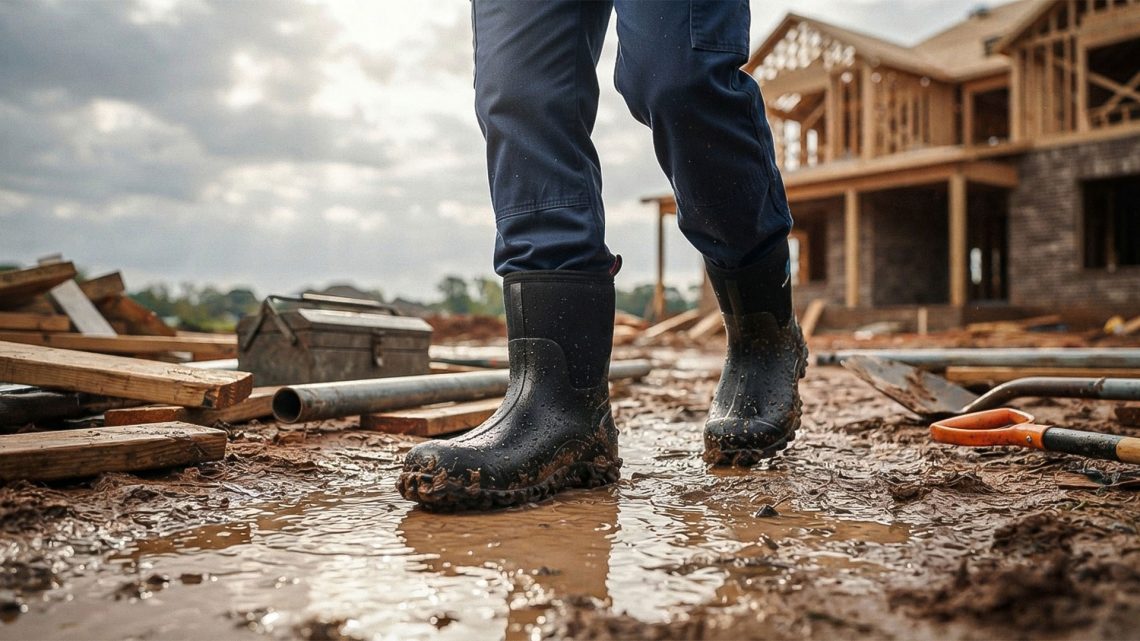
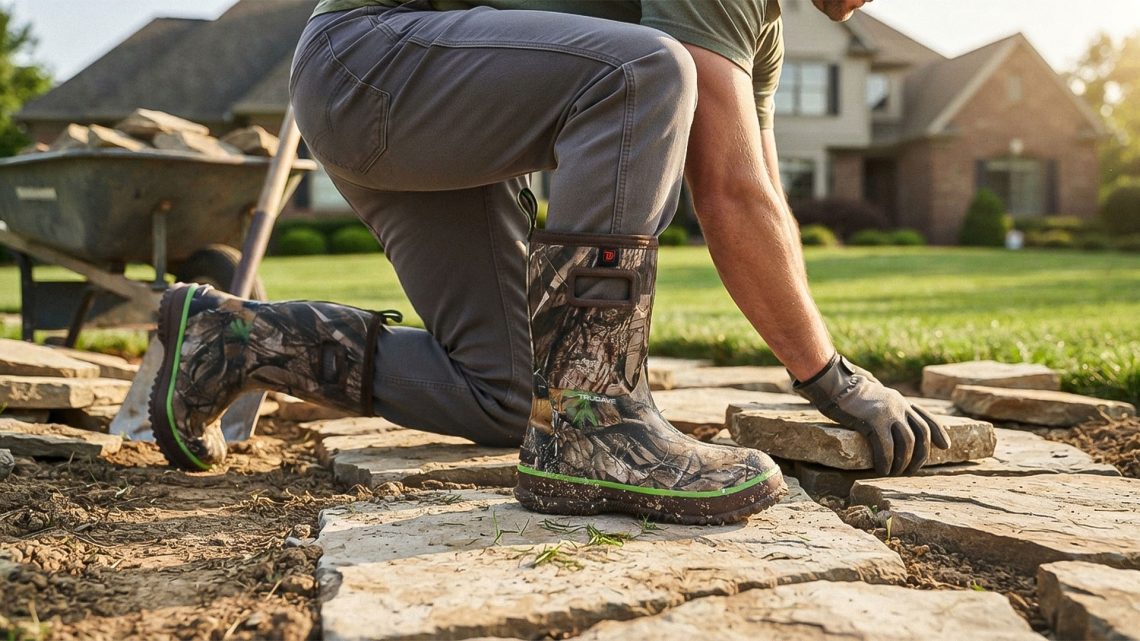
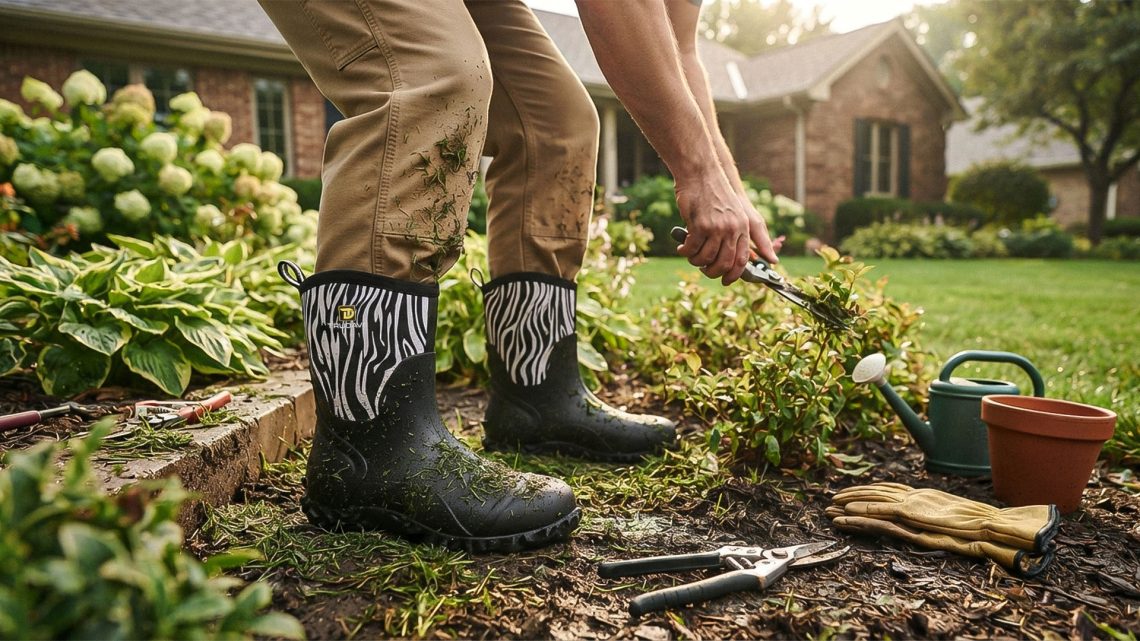
Landscape construction is one of the most varied outdoor jobs a worker can have. A single project may involve digging irrigation trenches, moving gravel, laying pavers, installing retaining walls, spreading mulch, setting edging, placing sod, and walking repeatedly between wet soil and hard finished surfaces. That means footwear has to handle much more than grass and mud. Landscape crews may work across: The best boots for landscape construction should combine waterproof protection, strong underfoot support, stable traction on mixed surfaces, secure heel retention, and enough durability for digging, lifting, pushing wheelbarrows, and working around heavy materials. Landscape Construction Is Different From Routine Lawn Care Routine grounds maintenance may involve mowing,…
-
Best Boots for Golf Course Maintenance and Greenskeeping
Golf courses may look perfectly manicured to players, but maintaining that appearance requires crews to work in wet grass, mud, irrigation water, bunkers, ponds, equipment areas, and rough terrain long before the first tee time of the day. Greenskeepers often begin work before sunrise. At that hour, almost every section of the course may still be covered in: A maintenance worker may begin by checking greens, repair a sprinkler leak, rake a bunker, operate a mower, inspect a pond edge, move equipment across gravel service roads, and finish the shift cleaning machinery around a wet maintenance building. That makes footwear an important part of golf course maintenance. The best boots…
-
Best Boots for Pumpkin Farms and Corn Maze Work
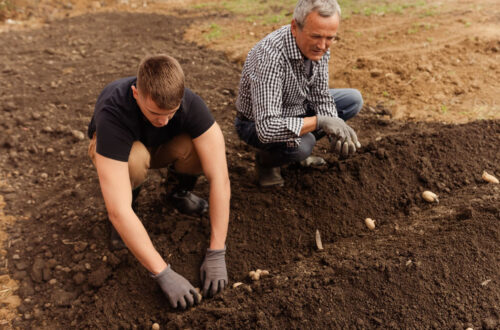
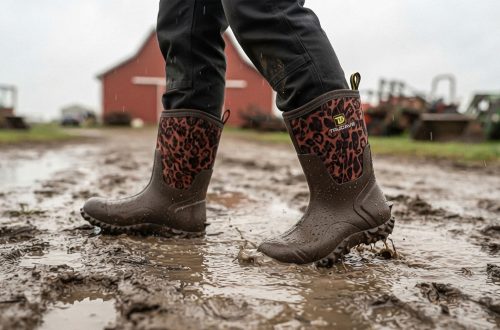
Pumpkin farms become some of the busiest agricultural properties of the year once fall arrives. What may look like a simple pumpkin patch to visitors is usually a working farm filled with harvest crews, tractors, trailers, corn fields, hayrides, parking areas, concession zones, muddy footpaths, loading stations, and thousands of customers moving across the property. Workers may begin the morning harvesting pumpkins from wet vines, spend midday restocking customer displays, help pull a tractor wagon through muddy lanes, repair signs inside a corn maze, direct parking on wet grass, and finish the evening cleaning up after the last visitors leave. During peak season, footwear may encounter: The best boots for…
-
Best Boots for Snowmaking and Ski Resort Maintenance
Snowmaking crews work in conditions that most people actively try to avoid. The job often begins after dark, when temperatures drop low enough to make snow efficiently. Workers may spend hours moving between snow guns, hydrants, hoses, pump stations, trails, lift terminals, snowmobiles, and utility vehicles while water freezes on almost everything around them. A normal shift may involve: That means ordinary winter boots are not always enough. The best boots for snowmaking and ski resort maintenance should combine dependable waterproofing, warmth, cold-flexible traction, secure heel fit, enough support for steep terrain, and all-night comfort. Snowmaking Work Is Wet Before It Is Cold People often think the biggest challenge is…
-
Best Boots for Maple Syrup Farm and Sugarbush Work
Maple syrup season arrives when winter has not quite ended and spring has not fully begun. That timing creates some of the most difficult footwear conditions found in woodland agriculture. A sugarbush worker may begin the morning walking across frozen snow, spend midday repairing tubing on muddy slopes, cross patches of slush, collect sap around wet trees, ride an ATV over rutted access trails, and finish the day inside a warm sugarhouse on damp concrete. The same pair of boots may encounter: The best boots for maple syrup work should keep feet dry while providing enough support for uneven woodland terrain, secure traction through changing freeze-thaw conditions, and enough comfort…
-
Best Boots for Railroad Track and Rail Yard Maintenance
Railroad work takes place on some of the roughest walking surfaces found in outdoor maintenance. Track crews, signal technicians, switch maintainers, inspectors, and rail-yard employees may spend entire shifts walking over crushed ballast, wet ties, gravel service roads, muddy rights-of-way, drainage areas, and industrial yard surfaces. Weather makes the job even more demanding. A normal shift may involve: That makes footwear much more than a matter of keeping feet dry. The best boots for railroad work need to combine waterproof protection, stable support on loose rock, secure heel retention, durable outsole construction, appropriate job-site protection, and enough cushioning for long walking shifts. Railroad Ballast Is One of the Hardest Surfaces…
-
Best Boots for Septic Tank Service and Drain Field Work
Septic service technicians work in places where clean, dry ground cannot be taken for granted. A normal service call may begin with walking across a dew-covered lawn, locating a buried tank lid, digging through wet soil, dragging heavy pumping hose across mud, inspecting a drain field, washing equipment, and climbing back into a service truck before heading to the next property. Rain can make the job significantly more difficult. A dry yard can quickly become: Workers may also operate around wastewater and contaminated surfaces, which makes easy-clean waterproof footwear especially important. The best boots for septic tank service should provide dependable waterproof protection, secure traction in mud and wet grass,…
-
Best Boots for Cranberry Farms and Bog Harvest Work
Cranberry farming creates a working environment unlike almost any other type of agriculture. During much of the year, workers maintain vines, irrigation systems, ditches, pumps, frost-protection equipment, roads, and drainage structures. Then harvest season changes the landscape completely. Many commercial cranberry growers flood the beds so ripe berries can be loosened from the vines and collected from the water. Workers may spend long hours around: That makes waterproof footwear more than a convenience. The best boots for cranberry farm work need to keep water out, remain secure in soft ground, provide enough height for wet harvest conditions, and stay comfortable during long seasonal shifts. Why Cranberry Farming Creates Unique Footwear…
-
Best Boots for Dairy Processing and Milk Production Work
A dairy processing plant is built around cleanliness, temperature control, and large amounts of water. Milk may arrive in tankers, move through pasteurization systems, enter filling lines, travel into refrigerated storage, and leave the facility as bottled milk, cream, yogurt, cheese products, or other dairy foods. Throughout that process, workers may spend entire shifts around: That makes footwear an important part of daily plant work. The best boots for dairy processing workers should provide dependable waterproof protection, secure footing on wet hard floors, easy-clean construction, enough cushioning for long concrete shifts, and compatibility with the sanitation requirements of the facility. Why Dairy Processing Floors Stay Wet Water is used constantly…
-
Best Boots for Christmas Tree Farm and Harvest Work
Christmas tree farms may look peaceful during the holiday season, but running one requires demanding outdoor work in some of the wettest and coldest months of the year. Workers may begin the morning walking through dew-covered rows, cut and drag trees across muddy slopes, operate balers, load trailers, help customers move trees, repair fencing, clear snow, and finish the day working around wet gravel parking areas. During peak harvest, footwear may encounter: That makes ordinary sneakers or lightweight casual rain boots a poor match for serious tree-farm work. The best boots for Christmas tree farm workers should provide dependable waterproof protection, stable traction on slopes and mud, enough support for…