-
Managing Ranch Water Systems During High-Demand Summer Conditions
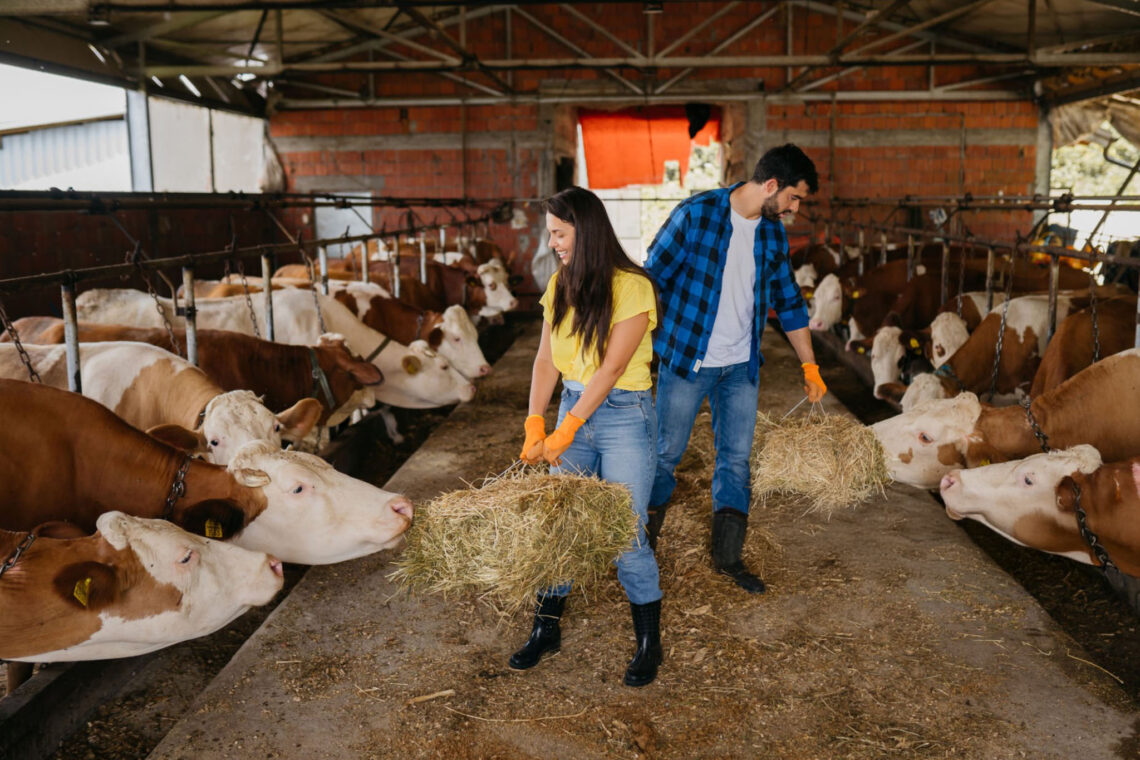
Summer places enormous pressure on ranch water systems across the United States. As temperatures climb and drought conditions intensify in many regions, livestock water consumption rises sharply while natural water availability often becomes less reliable. At the same time, heat stress, evaporation, grazing pressure, and infrastructure strain all increase simultaneously. For many ranchers, water management becomes the single most important factor controlling: A water system that works perfectly during spring may become completely inadequate during peak summer demand. Understanding how to manage ranch water systems during high-stress summer conditions is essential for maintaining both livestock productivity and pasture health. Why Summer Water Demand Increases So Dramatically Water consumption rises in…
-
How to Reduce Livestock Heat Stress Without Slowing Grazing Rotation
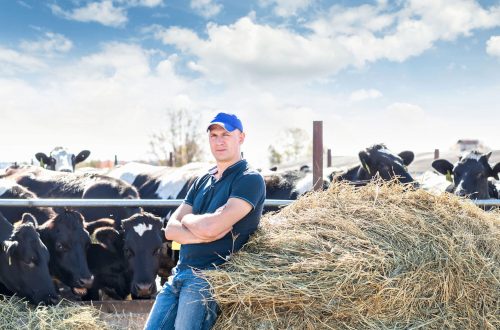
Summer heat creates one of the biggest management challenges for ranchers across the United States. As temperatures climb, livestock experience increased stress, pasture recovery slows, and grazing systems become harder to balance efficiently. Many producers respond by slowing or delaying grazing rotations entirely, hoping to reduce pressure on both cattle and grass. But stopping rotation often creates new problems: The real solution is not abandoning rotational grazing during hot weather—it is learning how to reduce livestock heat stress while maintaining a productive and sustainable grazing system. When managed correctly, cattle can remain healthy, active, and productive even during difficult summer conditions. Why Heat Stress Becomes a Major Summer Problem Heat…
-
Why Grazing Efficiency Drops Even When Grass Looks Abundant in Summer
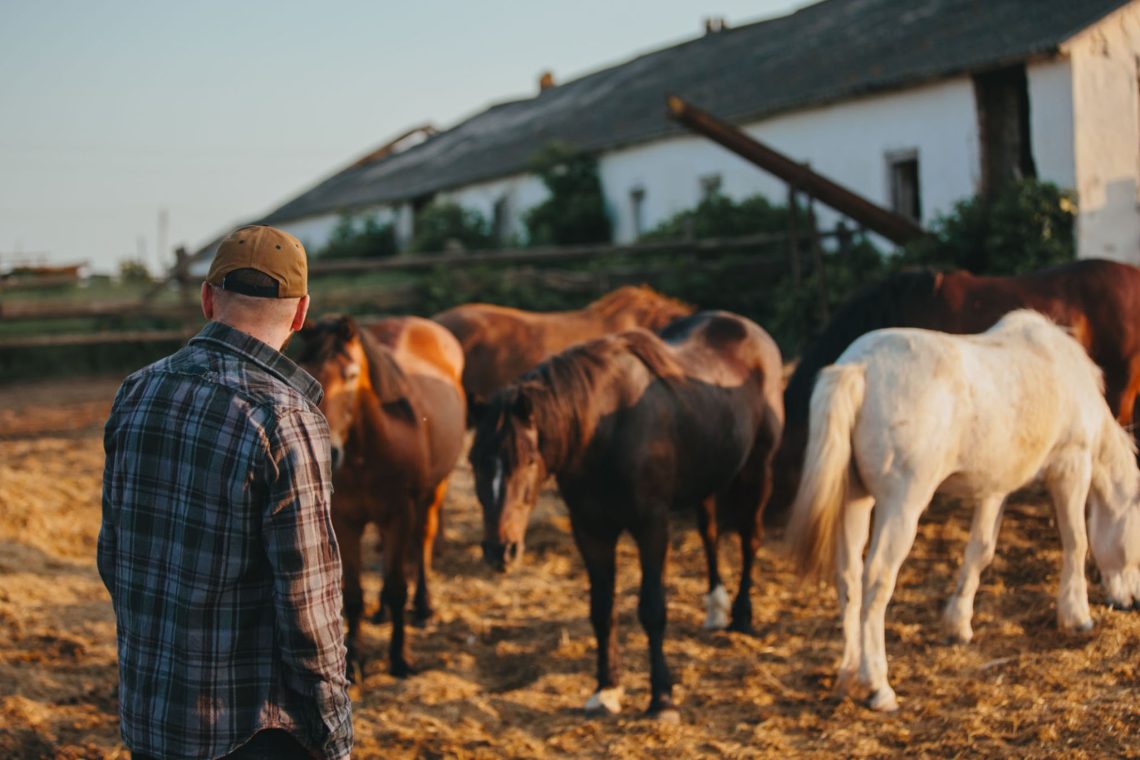
In many U.S. ranching operations, summer creates a frustrating paradox: pastures look green, tall, and full of forage, yet livestock performance drops and grazing efficiency declines. Cattle may spend more time resting, weight gain slows, and intake becomes inconsistent—despite what appears to be “plenty of grass.” This disconnect is one of the most misunderstood issues in seasonal ranch management. The key point is simple but often overlooked: visible pasture abundance does not equal usable forage efficiency. To understand why grazing efficiency drops in summer, you have to look beyond grass quantity and focus on plant physiology, heat stress, animal behavior, and pasture structure. 1. Summer Grass Looks Productive, But Nutritional…
You May Also Like
Reading Grass Recovery Without Guessing or Waiting Too Long
The First Week: What New Trudave Rain Boot Owners Should Actually Expect — A Break-In Guide for Rubber and Neoprene
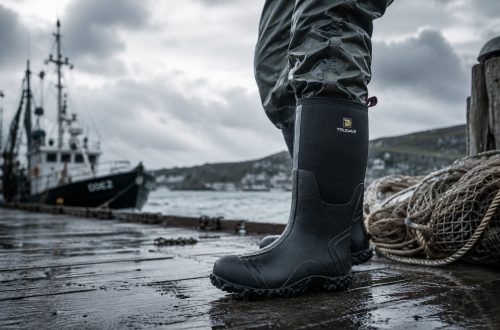
Fix It, Don’t Toss It: The Complete Guide to Waterproof Testing, Patching, and Restoring Your Trudave Rain Boots
-
How to Prevent Pasture Burnout During Peak Summer Heat Stress
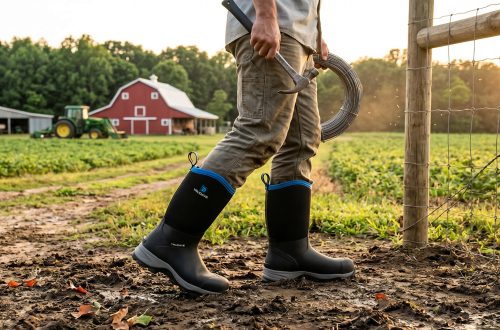
Across many ranches in the United States, summer is the most productive-looking season—but also one of the most damaging for long-term pasture health. At first glance, grass appears abundant and green, and livestock seem to have plenty to graze. But beneath the surface, peak summer heat stress quietly weakens pasture systems, leading to slower regrowth, declining forage quality, and long-term productivity loss. This phenomenon is often referred to as pasture burnout—a gradual breakdown of grass resilience caused by heat, overgrazing pressure, and soil stress. Preventing it requires more than watering or rotating animals. It requires a system-based approach that manages heat, rest cycles, and soil recovery together. What Is Pasture…
-
The Hidden Impact of Soil Temperature on Summer Plant Performance
When summer heat arrives across the United States, most gardeners focus on what they can see above the soil: wilting leaves, slowed growth, or reduced flowering. Watering schedules get adjusted, shade cloth goes up, and fertilizers are applied more frequently. But one of the most important factors influencing plant performance in summer is something largely invisible: soil temperature. While air temperature gets most of the attention, soil temperature quietly determines how efficiently plants absorb nutrients, develop roots, and sustain growth during extreme heat. If the soil is too hot, even well-watered and well-fertilized gardens can struggle. Understanding soil temperature is the missing piece in building a truly resilient summer garden…
-
Heat-Tolerant Gardening: How to Build a Resilient Summer Growing System
As summer heat intensifies across the United States, many home gardeners run into the same frustrating pattern: plants that were thriving in spring suddenly slow down, wilt during the day, drop flowers, or stop producing altogether. Even with regular watering, the garden seems to struggle as temperatures climb. The problem isn’t just heat—it’s the lack of a heat-tolerant gardening system designed to handle sustained high temperatures. A resilient summer garden doesn’t rely on luck or occasional watering adjustments. It is built on structure, timing, soil behavior, and microclimate control. Once these systems are in place, your garden can continue producing even through prolonged heat waves. Why Traditional Garden Methods Fail…
You May Also Like
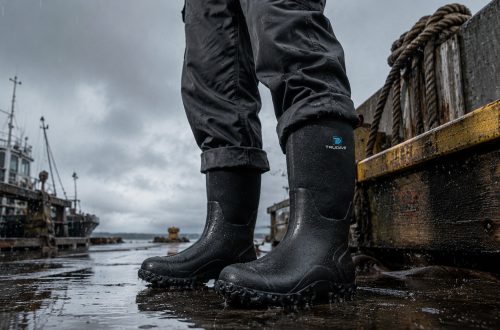
The 2026 Rain Boot Revolution: How Trudave Gear Is Solving the Market’s Biggest Problems at Direct-to-Consumer Prices

Composting in the Cold: Turning Waste into Springtime Gold
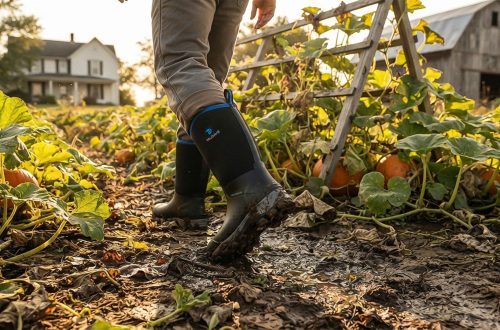
Best Boots for Greenhouse Work: Waterproof Footwear for Wet Floors, Plant Care, Irrigation, and Indoor Farming
-
Managing Water Access Points When Temperatures Rise Across the Ranch
As summer temperatures rise across the United States, water management becomes one of the most critical—and often underestimated—aspects of ranch operations. While pastures may still look adequate and livestock appear active, water access points quietly become the central factor shaping animal movement, grazing efficiency, and overall herd performance. In hot conditions, water is no longer just a resource. It becomes a behavioral driver, influencing where livestock go, how long they graze, and how evenly they use available forage. Understanding how to manage water access points effectively can make the difference between a balanced, productive ranch and one struggling with uneven grazing, heat stress, and reduced weight gain. Why Water Becomes…
-
Why Livestock Gain Slows Down Even When Pasture Looks Healthy in Summer
During early to mid-summer, many ranchers across the United States notice something confusing: pastures still look green, dense, and healthy, yet livestock weight gain starts to slow down. On the surface, everything appears normal. But under the surface—both in the grass and in animal physiology—important changes are happening. The issue is rarely obvious. It’s not just about how the pasture looks, but about forage quality, heat stress, grazing behavior, and nutrient efficiency all shifting at the same time. Understanding these hidden factors is key to maintaining consistent livestock performance through the summer months. The Illusion of a “Healthy-Looking” Pasture One of the biggest misconceptions in ranch management is assuming that…
-
How to Build a Heat-Resilient Garden That Keeps Producing All Summer
When summer heat settles in across the United States, many gardens hit a wall. Plants that were thriving in spring start slowing down, yields drop, and some crops stop producing altogether. But a heat-resilient garden doesn’t just survive summer—it continues producing consistently through it. The difference isn’t luck or climate. It’s design, soil strategy, and heat-adapted management. If you want a garden that stays productive all summer long, you need to think beyond planting and watering. You need to build a system that works with heat, not against it. What Makes a Garden “Heat-Resilient”? A heat-resilient garden is one that maintains: Key Insight: It’s not about eliminating heat stress completely—it’s…
-
How to Keep Your Garden Productive When Heat Stress Starts Taking Over
When early summer shifts into sustained heat across the United States, many home gardeners notice a familiar problem: plants that were thriving suddenly slow down, stop producing, or start looking stressed. Tomatoes flower less, leafy greens bolt, and fruiting plants struggle to keep up with demand. This is heat stress, and once it takes over, garden productivity can drop fast. But the key isn’t to fight the heat—it’s to adjust your gardening strategy so your plants can keep producing under pressure. What Heat Stress Actually Does to Your Garden Heat stress isn’t just about wilting leaves. It affects your garden on multiple levels. 1. Reduced Photosynthesis Efficiency When temperatures rise:…