-
How to Build a Strong Foundation for Spring and Summer Growth
Every productive garden begins long before plants reach full size or produce their first harvest. The real work happens early—beneath the surface, inside the soil, and during the critical weeks when roots are forming and environmental conditions are stabilizing. If you want strong spring growth and high-performing summer plants, you must focus on building a solid foundation. That foundation includes soil structure, nutrient balance, moisture management, temperature stability, and strategic planning. When these elements are established correctly at the start of the season, plants grow consistently, resist stress more effectively, and produce higher yields throughout the warm months. Here’s how to build that foundation the right way. Start with Soil…
-
Why Early Soil Management Determines Final Harvest Results
The success or failure of a garden is often decided long before the first harvest. While many gardeners focus on watering schedules, fertilizers, or pest control later in the season, the truth is simpler and more fundamental: your final harvest is largely determined by how well you manage your soil early in the growing season. Soil is more than just a place where plants stand. It is the environment where roots develop, nutrients are absorbed, and biological processes fuel plant growth. Early soil management shapes root strength, plant stability, nutrient availability, and long-term productivity. When soil conditions are optimized early, plants grow more efficiently, resist stress better, and produce higher-quality…
You May Also Like
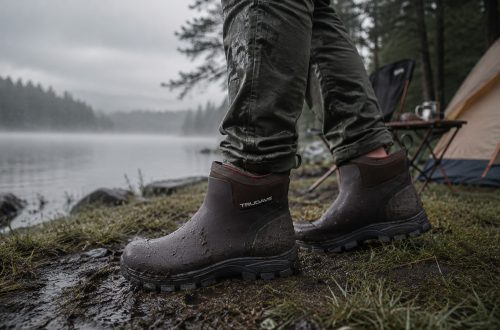
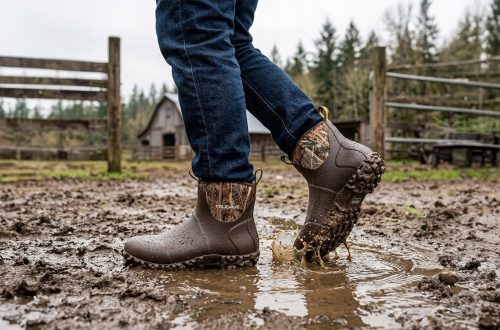
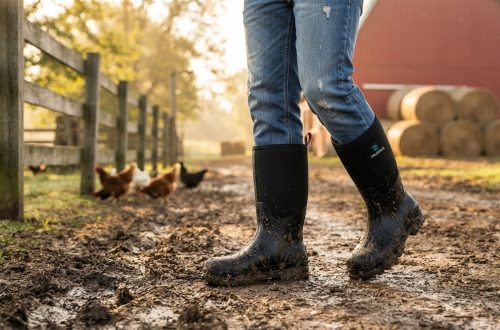
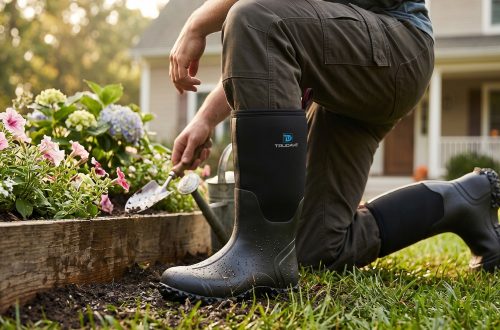
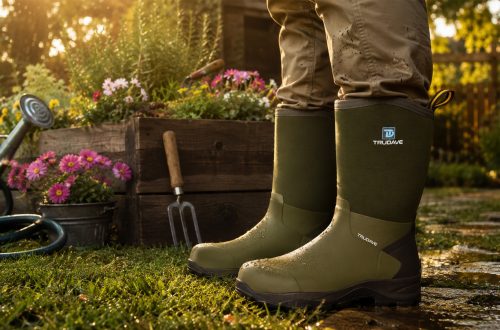
From Garden to Garage: Why I Finally Bought 5 Pairs of Trudave Rain Boots (And You Probably Should Too)
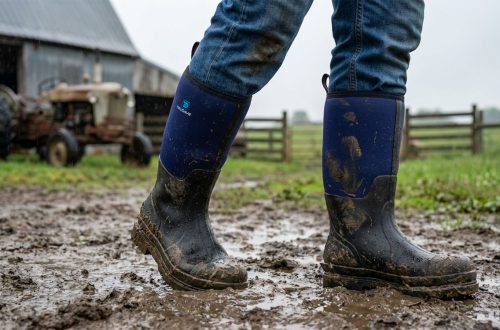
Best Boots for Vineyard Work: Waterproof Footwear for Muddy Rows, Wet Grass, Harvest, and Winery Floors
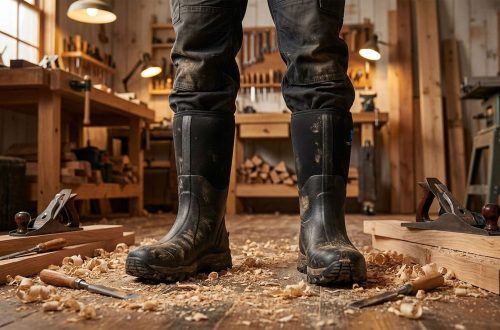
Best Boots for Horse Barn Work: Waterproof Footwear for Muddy Paddocks, Wet Stalls, and Daily Stable Chores
-
How Spring Moisture Affects Root Development
Spring moisture is one of the most powerful forces shaping plant success for the entire growing season. While gardeners often focus on air temperature and planting dates, what happens below the surface matters far more. Soil moisture directly controls how roots form, expand, and function. Too little moisture slows root growth. Too much moisture can suffocate roots and permanently weaken plants. Understanding how spring moisture affects root development helps gardeners build stronger plants, improve drought resistance, and increase overall productivity. Root Development Begins the Moment Soil Warms As soil temperatures rise in early spring, plant roots begin to activate. This process depends heavily on moisture availability. Roots grow by extending…
-
Why Early Planting Success Depends on Soil, Not Calendar Dates
Every spring, gardeners across the United States circle planting dates on their calendars. Seed packets list “plant after last frost,” local extensions publish average frost dates, and gardening apps send reminders. While these timelines are helpful guidelines, they are not guarantees. The truth is simple: early planting success depends far more on soil conditions than on calendar dates. Two gardens in the same zip code can have completely different soil readiness on the same day. Planting based strictly on dates—without evaluating soil temperature, moisture, and structure—can lead to stunted growth, seed failure, and long-term soil damage. If you want consistent early-season success, the soil—not the calendar—must guide your decisions. Calendar…
-
How to Start Planting Before Spring Fully Arrives
For experienced gardeners, the growing season doesn’t begin when spring fully arrives—it begins weeks earlier. While frost may still threaten overnight and soil may still feel cold in the morning, there is a critical window when smart gardeners begin planting strategically. Starting early allows plants to establish stronger roots, take advantage of cool-season conditions, and produce earlier, healthier yields. However, early planting is not about rushing blindly into the season. It’s about understanding soil readiness, temperature stability, crop tolerance, and timing. When done correctly, planting before spring fully arrives gives you a major advantage and sets the foundation for an entire season of success. Understand the Difference Between Air Temperature…
-
When Overnight Temperatures Matter More Than Daytime Warmth
Spring often tricks gardeners and growers with warm, sunny afternoons that feel perfect for planting. Air temperatures rise into the 60s or even 70s°F, soil begins to thaw, and everything appears ready to grow. But experienced gardeners know the truth: overnight temperatures matter far more than daytime warmth. What happens while the sun is down determines root development, plant survival, soil biology activity, and long-term plant performance. Ignoring nighttime temperatures can slow growth, weaken plants, and in some cases, cause irreversible damage. Understanding how overnight temperatures influence plant health allows gardeners to make better planting decisions and avoid costly mistakes early in the growing season. Plants Grow at Night More…
-
How to Protect Early Plants from Unexpected Spring Frost
Spring brings longer days, warming soil, and the excitement of new plant growth. But it also brings one of the biggest risks to early gardens: unexpected frost. Even after weeks of warm weather, a single overnight temperature drop below freezing can damage or kill young plants. Understanding how frost works—and how to protect against it—can make the difference between a thriving garden and losing weeks of progress overnight. Smart gardeners don’t just plant early—they prepare for frost protection before it happens. Why Spring Frost Is So Dangerous to Young Plants Young plants are especially vulnerable because their tissues are soft, water-rich, and actively growing. When temperatures drop below 32°F (0°C),…
-
How Soil Temperature Controls What You Can Plant Right Now
Every spring, gardeners feel the urge to start planting as soon as the snow melts and the air begins to warm. But air temperature can be misleading. The real factor that determines what you can plant—and whether your crops will succeed—is soil temperature. Soil temperature directly controls seed germination, root growth, nutrient uptake, and overall plant health. Planting too early, when soil is still cold, can delay growth, cause seeds to rot, or weaken plants permanently. On the other hand, planting at the right soil temperature gives crops a strong start, faster growth, and higher yields. Understanding how soil temperature works allows you to plant at the optimal time and…
-
Why Wet Spring Soil Can Ruin Your Entire Growing Season
Every experienced gardener and grower understands that spring is a race between warming temperatures and drying soil. But one of the most damaging mistakes happens when soil appears ready on the surface while remaining dangerously wet underneath. Working or planting in wet spring soil can cause long-term structural damage that affects root development, plant health, and yields for the entire growing season. Wet soil is far more than an inconvenience—it changes the physical, chemical, and biological balance of your growing environment. Understanding why wet spring soil is so harmful, and how to avoid damaging it, is critical for protecting your garden’s productivity. Agricultural research from organizations like the United States…
-
How to Tell When Your Garden Soil Is Ready to Be Worked After Winter
One of the most important—and most misunderstood—moments in the gardening season happens before a single seed goes into the ground. Knowing when your garden soil is truly ready to be worked after winter can determine whether your plants thrive or struggle all season long. Working soil too early can destroy its structure, limit root growth, and reduce yields. Waiting until the right moment, however, creates the ideal environment for strong root development, efficient nutrient uptake, and faster early growth. This guide will help you recognize the exact signs that your soil is ready, using proven field-tested methods trusted by experienced American gardeners and agricultural experts like the United States Department…