-
December Predator Patrol: Protecting Livestock When Food Gets Scarce for Wildlife
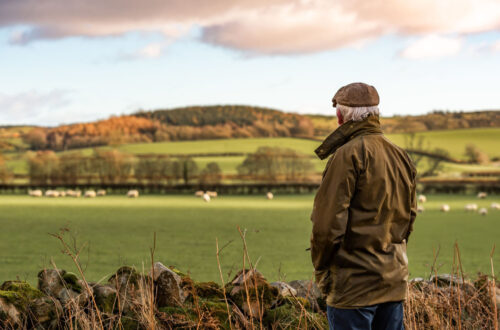
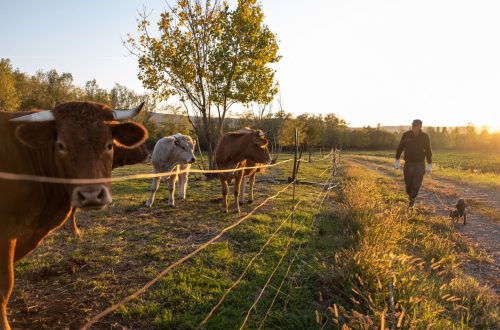
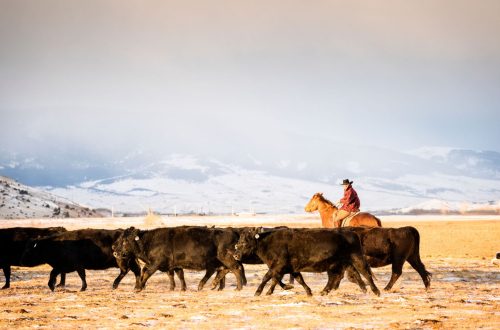
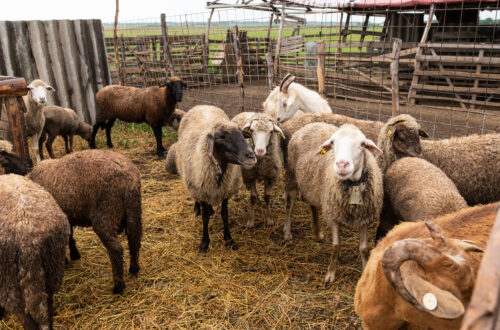
December brings more than cold mornings, frozen troughs, and short grazing days. It marks the beginning of a seasonal squeeze on wildlife, when natural food sources thin out, prey becomes less available, and predators begin taking bigger risks to survive. Coyotes push closer to barns. Bobcats trail fence lines at dawn. Mountain lions, foxes, and even eagles start scouting easier meals. And for livestock owners across the U.S., this shift means one thing: winter predator pressure is officially here. This article dives into why predator activity spikes in December, what signs to watch for, and how ranchers can use practical, field-tested strategies to keep their herds safe—without disrupting pasture management,…
-
Winter Grazing Math: How to Stretch Pasture Days Without Shorting Your Herd
When winter settles in and the pastures shift from lush green to dormant brown, ranchers across the U.S. face the same challenge: how to keep cattle fed without burning through expensive hay too early in the season. Stretching your winter grazing window isn’t just luck—it’s a strategic balance of forage budgeting, herd management, and cold-season planning. And when done right, it can reduce feed costs, protect pasture health, and keep your herd performing all winter long. This guide breaks down the “winter grazing math”—the real decisions and calculations that determine whether your forage will last until spring or run out just when temps hit their coldest. Why Winter Grazing Matters…
-
Cold-Weather Compost Boosters: Feeding Your Soil When Temps Drop Below Freezing
When winter settles in and nighttime temps slide below freezing, many gardeners assume their compost piles turn to frozen monuments—silent, inactive, and waiting for spring. But the truth is far more encouraging: composting doesn’t stop in the cold. It simply slows down. And with the right “boosters,” your compost can continue breaking down organic matter all winter long, producing rich, microbe-heavy nutrients ready for early spring planting. If you want your pile to stay alive—even when the thermometer reads 20°F or lower—December is the time to strengthen it. Here’s how to supercharge your winter compost and keep the biology thriving through the coldest months. 1. Start With Heat: Build a…
-
Winter Soil Revival: Simple December Steps That Supercharge Spring Growth
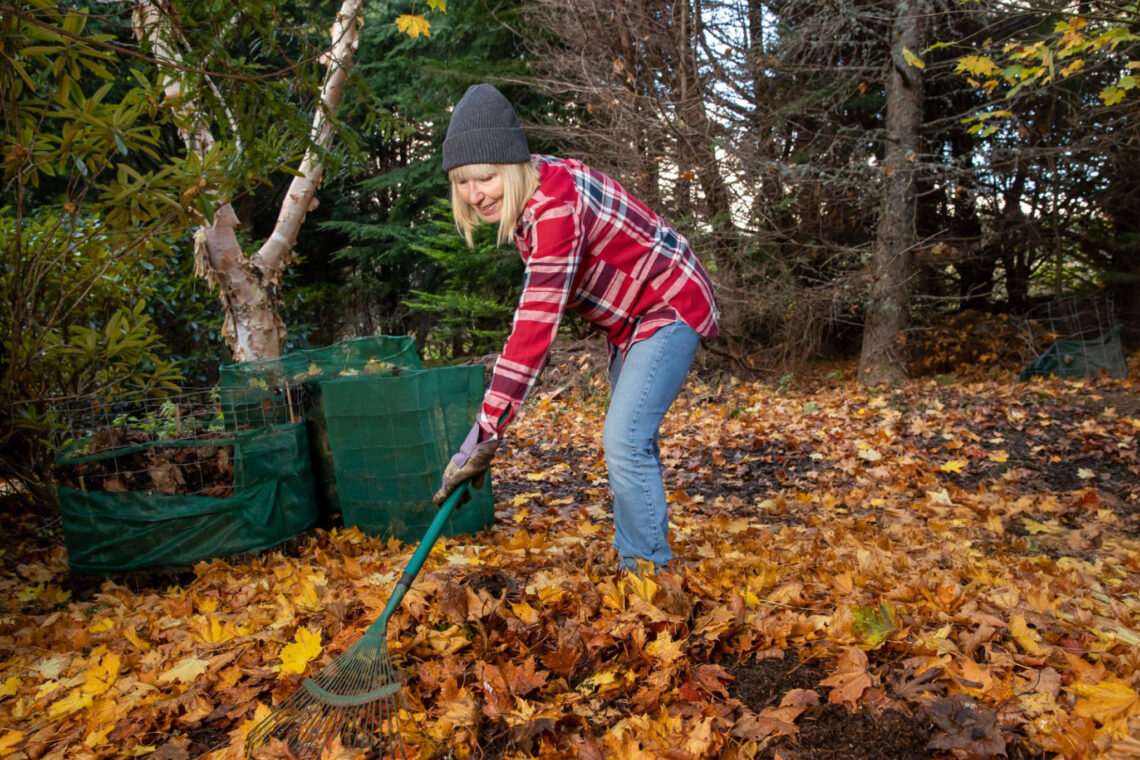
As December settles in and your garden slips into its quietest phase of the year, the soil beneath it is far from dormant. Winter is one of the most overlooked opportunities for improving soil health, boosting nutrient availability, and setting the stage for a vibrant, productive spring. While most growers hang up their tools once frost arrives, savvy gardeners know December is the month when soil work pays its biggest dividends. Here’s how to revive your soil during early winter—and ensure your spring beds wake up stronger than ever. 1. Start With a Clean Slate: Remove Debris Without Over-Disturbing Soil December cleanup isn’t about stripping the garden bare; it’s about…
-
Quiet Pastures, Busy Barns: December Chores That Make January Easier
As December settles in, the quiet of snow-covered pastures can be deceiving. While livestock may seem content and the fields appear dormant, proactive ranch management now can save hours of work, prevent costly mistakes, and keep your herd healthy when winter truly sets in. For many ranchers, December is the month of preparation—turning quiet pastures into a season of productivity in the barns and paddocks. This guide will outline key December chores that streamline January routines, maintain livestock health, and protect your equipment and resources through the coldest months. 1. Feeding Preparations: Organize Hay and Grain Supplies One of the most critical tasks in December is ensuring your feed plan…
You May Also Like

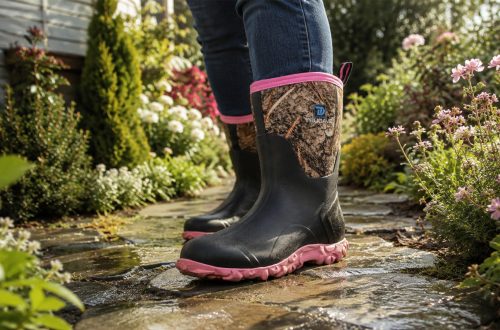
Best Boots for Wetland Restoration Work: Waterproof Footwear for Marshes, Mud, Stream Banks, and Conservation Projects
How to Protect Early Plants from Unexpected Spring Frost
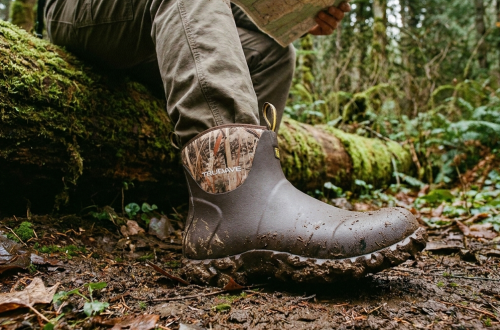
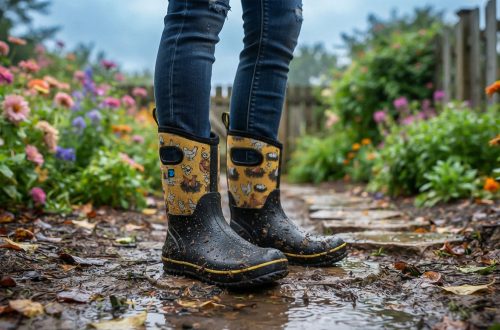
The Complete 2026 Guide to Trudave Rain Boots: From Garden Beds to Frozen Fields, Which Pair Is Engineered for Your Life?
-
Cold Ground, Hungry Herd: How to Stretch Winter Feed Without Losing Body Condition
As winter tightens its grip on pastures across the United States, ranchers face a familiar challenge: how to keep livestock healthy and energetic when the grass is gone and temperatures plunge. Feed costs rise, storage limitations become apparent, and every bite counts. But with careful planning, smart strategies, and a few tried-and-true techniques, it’s possible to stretch winter feed while maintaining your herd’s body condition—and keeping them thriving until spring. This guide will explore how to maximize forage efficiency, incorporate supplemental feed wisely, and manage livestock during the coldest months, helping ranchers across the country navigate harsh winter conditions. Understanding Winter Feed Challenges Winter is hard on animals because their…
-
Frost-Firm Soil: Winter Prep Steps That Build Stronger Spring Gardens
When winter settles in and frost begins to stiffen the ground, many gardeners assume the season is over. But here’s the truth seasoned growers swear by: what you do in winter determines what you harvest in spring. Frost doesn’t signal an end—it signals the start of soil renewal. When you work with winter instead of fighting it, you unlock healthier soil structure, better water retention, fewer pests, and a head start on spring planting. This guide will walk you through winter soil prep strategies trusted by American ranchers and home gardeners, helping transform frozen ground into a powerhouse foundation for next season’s crops. Why Frost-Firm Soil Matters Cold weather changes…
-
Cold Frames & Cozy Roots: Extending Your Growing Season Deep Into Winter
For most gardeners, winter signals a slowdown. Frost rolls in, daylight shrinks, and the vegetable patch goes quiet. But for growers who rely on fresh produce year-round—or ranch families who want greens even when the pastures freeze—winter doesn’t have to be the end. With cold frames, a bit of insulation, and a smart planting plan, you can push your growing season well past the first frost and harvest crisp, flavorful crops in the middle of winter. This guide breaks down how cold frames work, the science of warm roots, and the exact methods American gardeners use to keep beds productive when temperatures drop. Why Cold Frames Are a Winter Game-Changer…
-
December Composting: Keeping Your Pile Alive in Cold Weather
When December settles in with frosty mornings and short daylight hours, many gardeners assume the compost pile goes dormant until spring. But winter composting doesn’t have to slow to a halt. With the right setup and a few strategic adjustments, you can keep your pile biologically active—even when the thermometer drops. December is actually the perfect month to fortify your compost system, build heat, and set the stage for nutrient-rich material you’ll rely on when planting season rolls around again. This guide breaks down how to keep your compost alive through the cold months, what materials perform best in winter, and how to avoid the common mistakes new composters make…
-
December Garden Reset: The Winter Tasks Most Growers Forget to Do
The small chores now that make a massive difference when spring hits. December might seem like the quietest month in the garden, but seasoned growers know it’s one of the most impactful times of the year. While frost settles in, the soil stiffens, and daylight shrinks, a gardener’s work is far from over. In fact, the tasks you tackle now—before the deep freeze—can determine the strength, productivity, and health of your garden next spring. This guide walks you through the most commonly overlooked December tasks, helping you give your garden a clean slate, a protective shield, and a strategic head start. 1. Clean Out Old Debris Before It Becomes a…