-
Wind, Mud, and Manure: Real Winter Challenges for Every Rancher
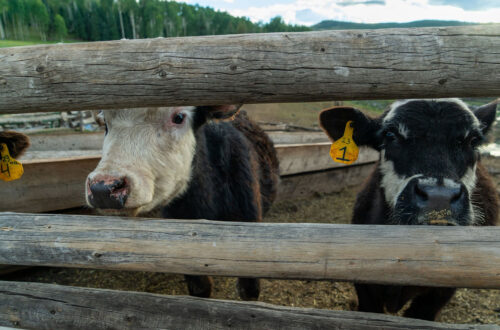
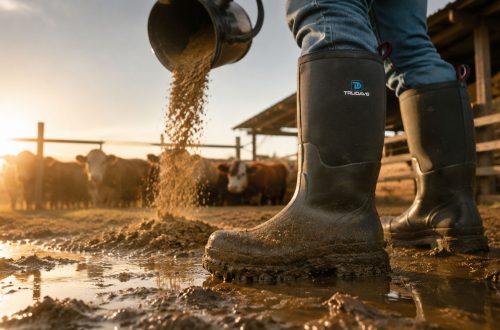
Winter on a ranch isn’t just about cold temperatures—it’s about managing wind, mud, and manure while keeping livestock healthy, pastures intact, and operations running smoothly. These elements combine to create unique challenges that can affect animal comfort, feed efficiency, and overall ranch productivity. With proper planning and smart strategies, ranchers can navigate the harshest months with confidence and minimize setbacks. 1. The Chill Factor: Wind and Its Effects on Livestock Cold winter winds can drastically affect livestock in multiple ways: Solutions: Even simple wind mitigation can dramatically improve herd comfort and health. 2. Mud Management: Navigating Wet Pastures Winter precipitation—rain, snow, and melting ice—can turn pastures into muddy hazards, affecting…
-
Hay Storage Hacks: Preventing Spoilage in Cold, Damp Conditions
As winter approaches, maintaining high-quality hay becomes a top priority for livestock owners. Cold, damp conditions can lead to mold, nutrient loss, and even spontaneous combustion if hay is stored improperly. Ensuring your feed remains safe and nutritious not only protects your herd’s health but also preserves your investment. With some strategic planning, smart storage techniques, and seasonal adjustments, you can keep hay in top condition throughout the harshest months. 1. Why Proper Hay Storage Matters Hay is the backbone of winter feed for cattle, horses, sheep, and goats. Poor storage can lead to: Maintaining a dry, ventilated, and protected environment is essential to maximize both safety and nutritional value.…
-
Greenhouse Glow: Simple Heat Tricks for Cold Nights
As winter nights grow longer and temperatures dip, keeping your greenhouse warm becomes critical for maintaining plant health and productivity. Even a slight temperature drop can stress tender seedlings, slow growth, and in some cases, kill sensitive plants. Fortunately, with a combination of smart planning, simple tricks, and minimal investment, you can maintain a healthy greenhouse environment throughout the cold season. 1. Why Heat Matters in a Greenhouse Greenhouses rely on trapped solar energy to maintain warmer conditions than the surrounding environment. But as nights grow colder and shorter days reduce sunlight, internal temperatures can fall dangerously low. Consistent warmth is crucial for: Maintaining a stable temperature reduces stress and…
-
Mulch Magic: Locking In Soil Warmth for Winter Gardens
As temperatures drop and the growing season winds down, keeping your garden healthy through the winter becomes a priority. One of the simplest and most effective strategies is using mulch to insulate your soil. Mulching doesn’t just protect plants from frost—it preserves soil structure, enhances microbial activity, and prepares your garden for a strong start in spring. 1. Why Mulching Matters in Winter Winter brings fluctuating temperatures, frozen soil, and cold winds that can harm plant roots and reduce soil fertility. Mulch acts as a protective blanket: Mulch is particularly beneficial for perennials, shrubs, and vegetable beds, giving plants a stable environment to survive the cold months. 2. Choosing the…
You May Also Like
Best Boots for Pumpkin Farm Work: Waterproof Footwear for Muddy Fields, Wet Vines, Fall Harvest, and U-Pick Farms
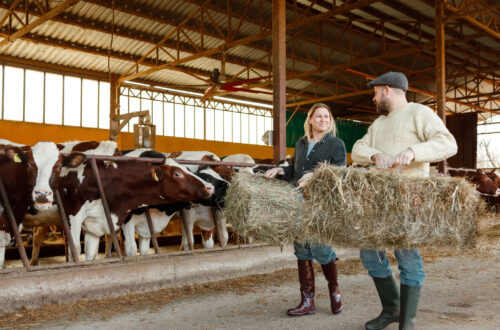
Small Ranch, Big Output: Productivity Systems Used by America’s Most Efficient Homesteads
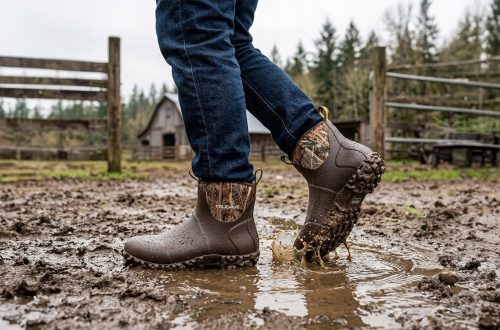
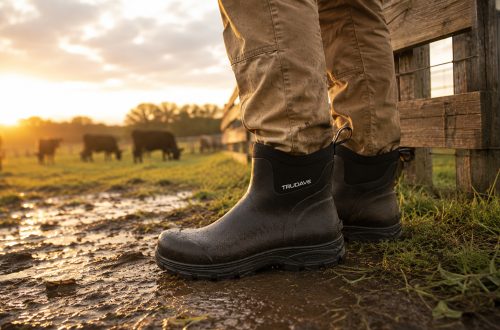
Trudave DryFlow Review: The Tall Rain Boot That Finally Solves the “Mid-Calf Isn’t Enough” Problem
-
Pasture Rotation in Winter: Keeping Grass Alive for Spring Regrowth
Winter can be a challenging time for ranchers and livestock managers. While the animals still need feed, the pastures are dormant, temperatures drop, and frost or snow can damage the grass. However, strategic pasture rotation during winter can make a significant difference, ensuring your fields bounce back strong in spring and reducing feed costs. Proper planning now preserves your soil, protects your forage, and promotes healthy regrowth when the growing season returns. 1. Understand the Winter Dormancy of Grass Grass species react differently to cold weather. Cool-season grasses like fescue, ryegrass, and orchardgrass slow their growth significantly, while warm-season grasses remain dormant. Even though the grass isn’t actively growing, it…
-
Cold Season Calving: How to Prepare Pens and Protect Newborns
When temperatures drop and the pastures turn white, calving season becomes more than just a management task—it’s a test of preparation, timing, and animal care. Winter calving can deliver strong, healthy calves if managed properly, but cold weather brings its share of risks: hypothermia, frozen bedding, and nutrient stress on both cows and newborns. The key to success lies in prevention, not reaction. Here’s how to get your operation ready for cold-season calving, from pen preparation to newborn protection. 1. Start with a Clean, Dry, and Draft-Free Pen The foundation of any winter calving setup is a clean and sheltered environment. Pens should be thoroughly cleaned before calving begins—remove old…
-
Late-Fall Pruning: Setting Trees and Shrubs Up for Strong Spring Growth
As autumn fades and winter edges closer, most gardeners pack away their tools and wait for the first signs of spring to return. But for those who know the rhythm of the land, late fall is one of the most strategic times to prune. It’s the quiet before renewal — when trees and shrubs slow down, energy pulls inward, and every careful cut you make now sets the stage for stronger, healthier growth when warmth returns. Late-fall pruning isn’t just seasonal maintenance; it’s preparation. Done correctly, it shapes structure, prevents disease, and channels a plant’s stored energy into vibrant spring shoots. Here’s how to do it right — and why…
-
Winter Soil Revival: Composting with Leaves, Manure, and Kitchen Scraps
Winter may seem like a time when your garden or pasture takes a break — the soil frozen, the air still, and the compost pile dormant under a blanket of frost. But beneath that quiet surface lies a golden opportunity for soil revival. Cold-season composting, done right, can transform your winter waste — fallen leaves, barn manure, and everyday kitchen scraps — into rich, life-giving soil that’s ready to fuel spring growth. This isn’t just about waste reduction; it’s about regeneration — building the foundation of a healthier, more self-sustaining homestead ecosystem. Why Composting in Winter Works Many believe composting halts during winter because microbial activity slows in the cold.…
-
Manure to Gold: Turning Winter Waste into Spring Pasture Fertility
When the temperatures drop and the fields turn quiet, most farmers and ranchers shift into maintenance mode. But winter is far from idle time — it’s one of the most valuable periods to build next season’s soil health. Turning manure into a nutrient-rich resource is not just smart waste management — it’s the foundation of fertile spring pastures and sustainable grazing systems. In this article, we’ll explore how to turn that pile of “winter waste” into your pasture’s greatest asset — covering the science, timing, and real-world methods that make manure management pay off. Understanding the Value Beneath the Pile Manure is more than just a byproduct — it’s a…
-
Shelter Smart: Building Windbreaks and Barn Setups That Beat the Cold
When the first hard frost settles across the fields and the north wind cuts through open pastures, livestock comfort and protection become a top priority for every rancher. Smart shelter design isn’t about luxury—it’s about survival, energy efficiency, and maintaining animal health when winter throws its worst at you. Building proper windbreaks and barn setups can mean the difference between thriving herds and stressed, underperforming livestock. Why Winter Shelter Design Matters Cold stress in animals isn’t just uncomfortable—it directly impacts feed efficiency, milk production, weight gain, and overall health. When temperatures drop below the lower critical threshold, livestock burn extra calories to stay warm. That means more hay, more feed,…