-
The Grip Guide: Which Trudave Rain Boot Outsole Is Right for Your Terrain?
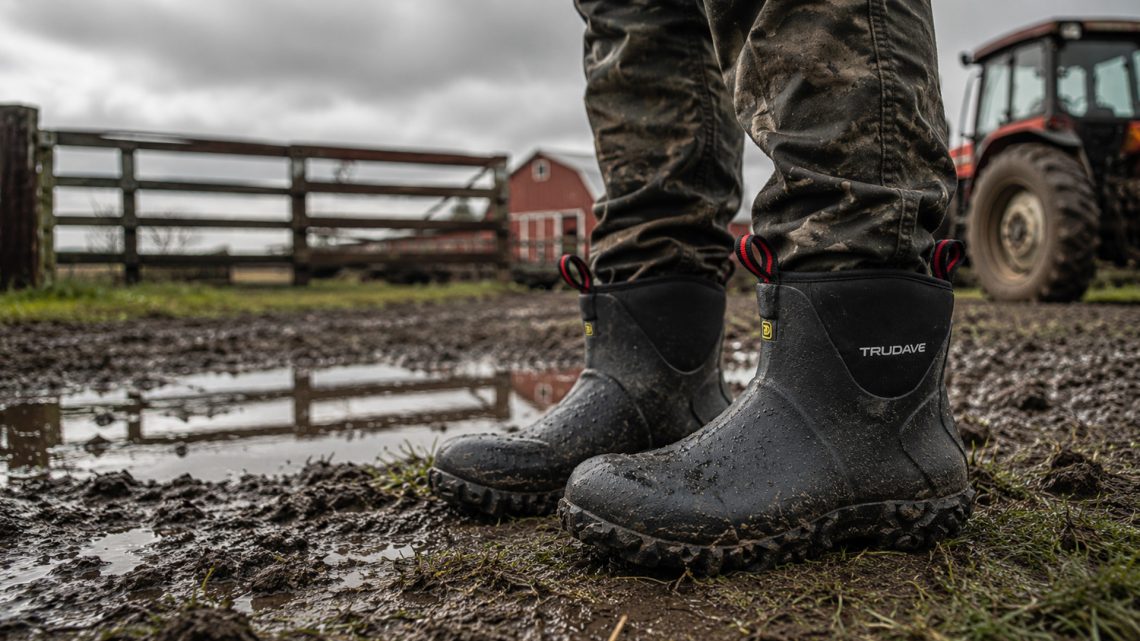
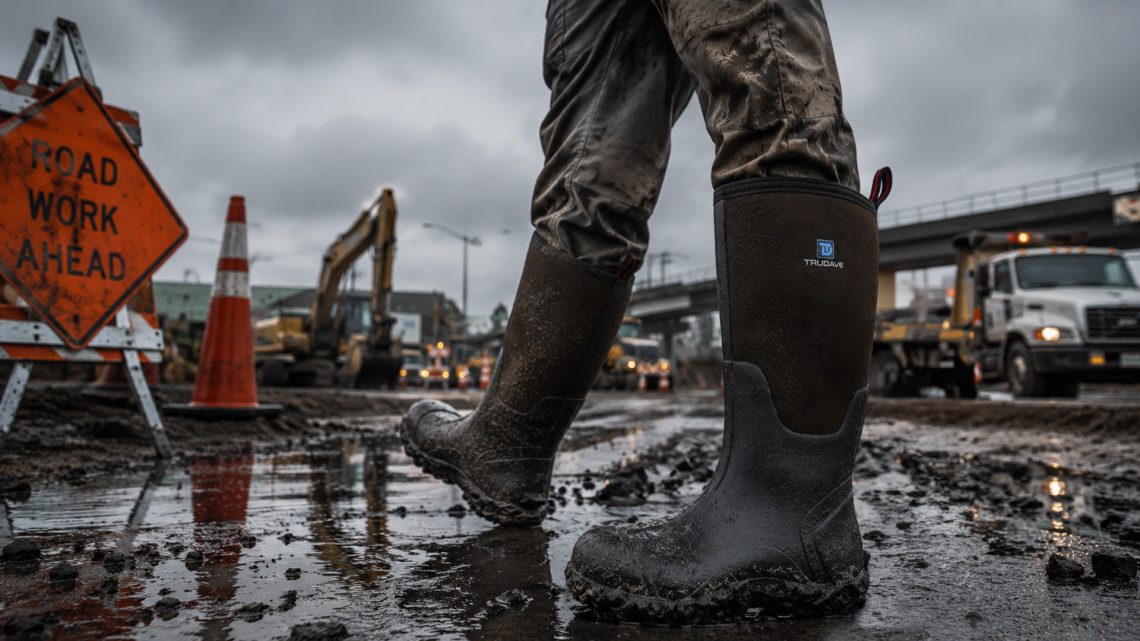
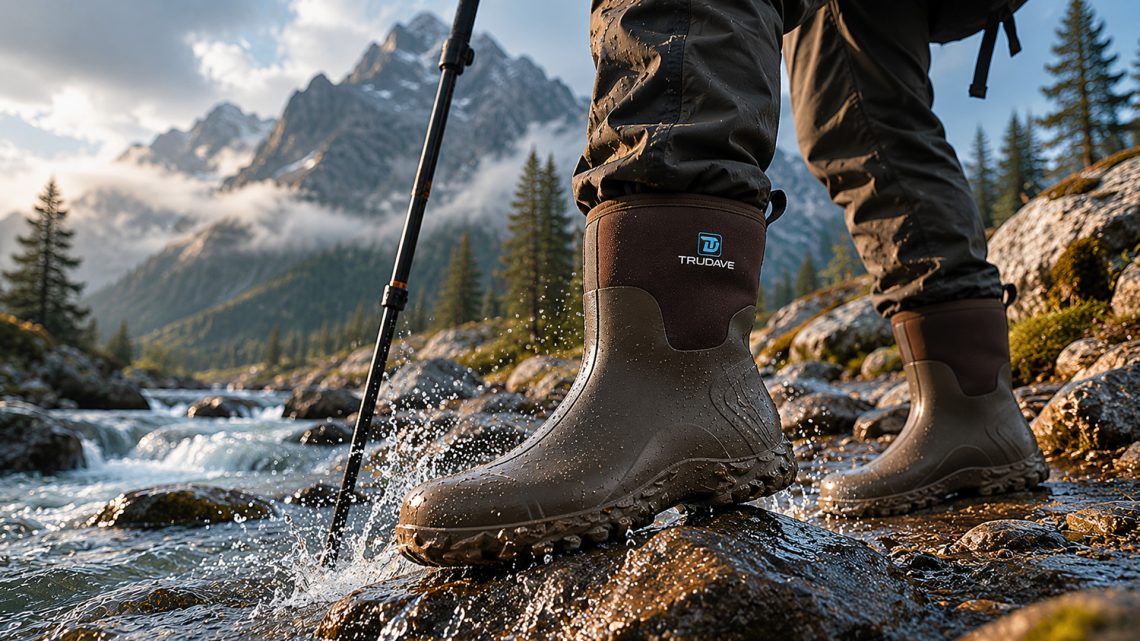
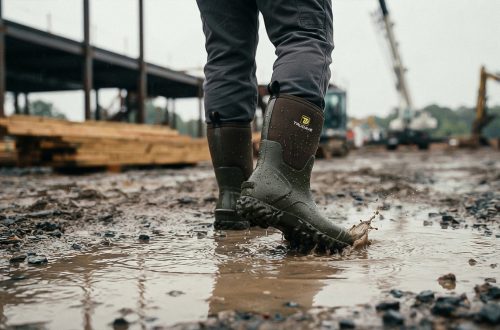
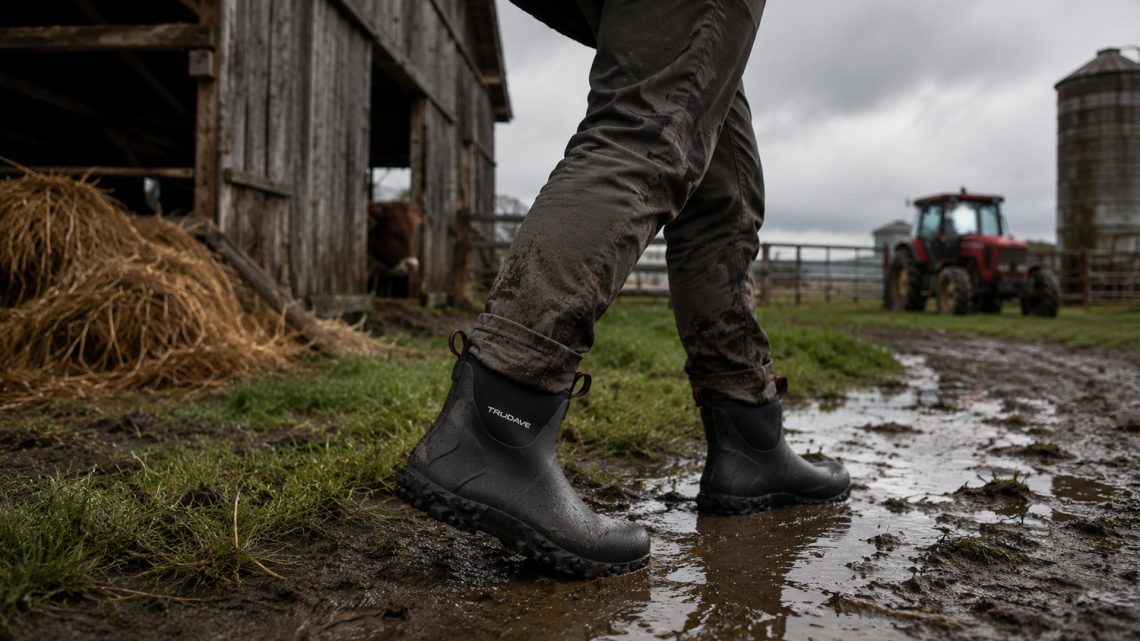
Introduction: The Slippery Truth Most people shop for rain boots the same way they shop for umbrellas—they grab the first one that looks waterproof and hope for the best. But a rain boot is not just a rubber bucket for your foot. It’s a vehicle. It has to accelerate, stop, and corner on surfaces that range from bone-dry pavement to greasy, waterlogged clay. And just like a vehicle, the most important component isn’t the engine or the body—it’s the tires. The outsole of your rain boot is the only thing connecting you to the ground. If it’s wrong for your terrain, you’ll find out fast, usually in the form of…
-
Festival Season Ready: The Best Trudave Rain Boots for Music Festivals, Outdoor Weddings, and All-Day Events
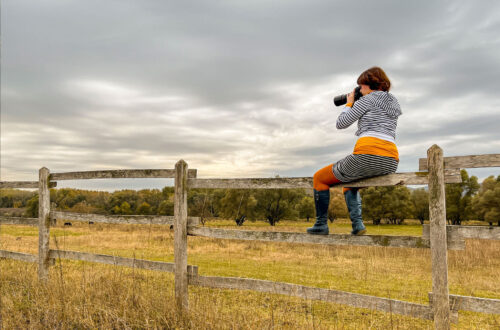
Introduction: The Muddy Reality of the Best Days There’s a particular kind of magic to an outdoor event that no indoor venue can replicate. The sun setting over a distant stage, the smell of rain-soaked earth, the laughter of friends gathered under a dripping canopy. But anyone who’s stood through a three-day music festival, attended a rustic barn wedding, or browsed an open-air market in a sudden downpour knows the truth: the magic fades fast when your feet are wet, cold, and aching. The right pair of rain boots doesn’t just protect you from puddles and mud. It lets you forget about your feet entirely and immerse yourself in the…
-
Muddy Paws and Happy Tails: Why Animal Shelter Volunteers Need Trudave Rain Boots
Introduction: The Morning Chorus The sun is barely over the kennel roof, but the dogs are already singing. A chorus of barks and wagging tails greets the volunteers as they unlock the gates, clip on leashes, and head out for the first walk of the day. The grass is soaked from an overnight rain, the gravel path is dotted with puddles, and somewhere near the exercise yard, a particularly enthusiastic Labrador has found the only mud hole in a ten-mile radius. By 8 a.m., sneakers are ruined, socks are wet, and the volunteer’s feet are cold and filthy. But one volunteer’s feet are still dry, still comfortable, and still planted…
-
From Garden to Grocery: How to Style Your Trudave Rain Boots for Every Wet-Weather Occasion
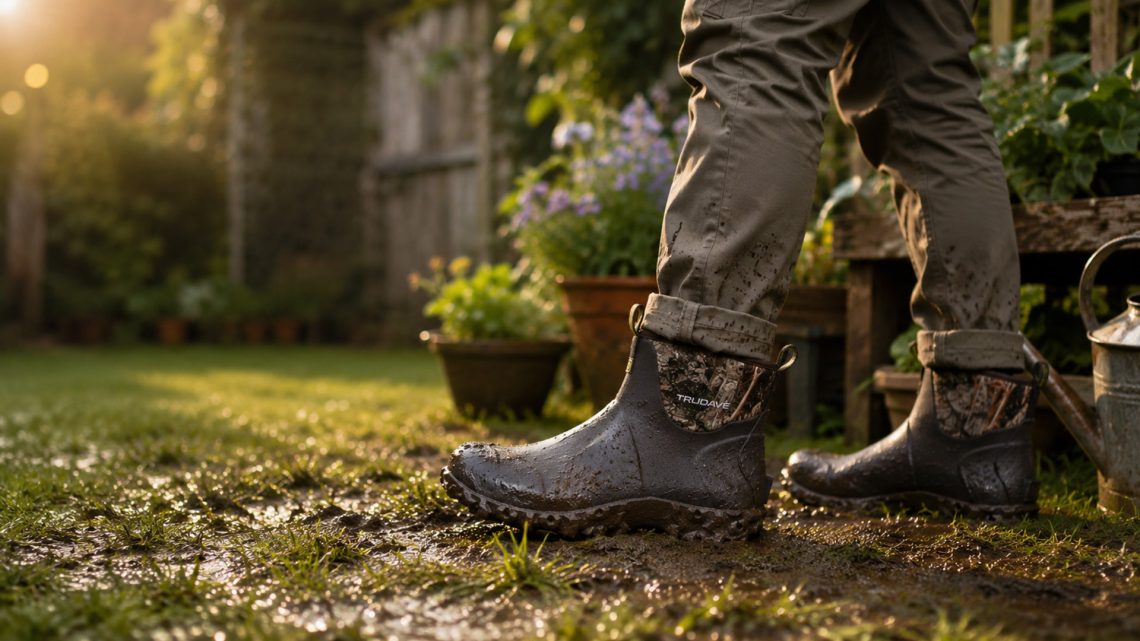
Introduction: The Boot That Does It All There was a time, not long ago, when rain boots were purely utilitarian—clunky, shapeless tubes of black rubber that you pulled on only when absolutely necessary, then kicked off in shame before anyone could see you. Today, the line between functional outdoor gear and everyday footwear has blurred into irrelevance. A well-designed rain boot is no longer something you tolerate; it’s something you reach for, whether you’re weeding the vegetable beds, walking the dog through a dewy park, or meeting friends at a sidewalk café under a sudden drizzle. Trudave Gear’s rain boot lineup has quietly become a favorite not just for its…
-
The Ultimate Online Buying Guide: How to Choose the Perfect Trudave Rain Boots Without Leaving Your Couch
Introduction: The Online Shopping Dilemma Buying rain boots online sounds simple. You browse a few styles, click your size, and wait for the box to arrive. But anyone who has actually done it knows the anxiety: Will they fit? Will they be comfortable for all-day wear? Will the material hold up, or will they crack after a single season? The photos look great, but how do you know what you’re really getting? Unlike sneakers or casual shoes, rain boots are a specialized piece of gear. They need to keep your feet dry, provide support for hours of standing and walking, and withstand the kind of mud, water, and temperature swings…
-
Fix It, Don’t Toss It: The Complete Guide to Waterproof Testing, Patching, and Restoring Your Trudave Rain Boots
Introduction: A Better Way Than the Landfill Every year, millions of rain boots end up in the trash. A cracked toe crease, a puncture from a sharp rock, a sole that’s starting to separate—most people see a broken boot and assume it’s finished. They toss it, buy a new pair, and repeat the cycle. But a well-made rain boot, particularly one built from vulcanized natural rubber like every Trudave Gear boot, is not disposable. It’s repairable, and with a little knowledge and a few basic tools, you can add years to its life. Trudave’s rain boot lineup—from the flexible BloomBoot to the heavy-duty AquaGuard—is engineered with durability and repairability in mind. The vulcanized…
-
5 Common Care Mistakes That Are Killing Your Rain Boots—and How Trudave Boots Are Built to Survive Them
Introduction: The Slow Death of a Good Boot Every spring, the scene repeats itself in mudrooms and garages across America. A pair of rain boots, purchased with optimism just a year or two ago, is pulled from a dark corner. The rubber is cracked at the toe crease. The tread is worn smooth. The interior smells like something crawled in and died. The boots that were supposed to last for seasons are headed to the landfill, and their owner is left wondering what went wrong. Here’s the uncomfortable truth: most rain boots don’t die from overuse. They die from neglect and well-intentioned care mistakes. Drying them next to a roaring…
-
Trudave vs. the Big Brands: How Do Trudave Rain Boots Stack Up Against Hunter, Bogs, and Muck?
Introduction: The Price of a Logo The rain boot aisle is a confusing place. On one end, a pair of Hunter boots commands a price tag that could cover a weekend grocery run, their iconic red-and-white badge promising British heritage and timeless style. On the other, Bogs and Muck Boots advertise heavy-duty insulation and farm-ready toughness for a premium that working families feel. Somewhere in the middle—or, more accurately, tucked away in the direct-to-consumer corner—sits Trudave Gear, a brand that claims to deliver the same vulcanized natural rubber, the same insulating neoprene, and the same all-day comfort architecture as the big players, but at a fraction of the cost. This…
-
The Rain Boot Buyer’s Checklist: 7 Non-Negotiables for Dry, Comfortable Feet
Introduction: The Disposable Boot Cycle Walk into any big-box hardware store in March, and you’ll see them stacked in glossy piles: $29.99 rain boots, shining under the fluorescent lights, promising waterproof protection at a price that feels like a steal. By August, most of those boots will be in landfills. The PVC will have cracked at the toe crease. The glued seams will have separated. The flat, unsupportive footbed will have compressed into a hard, painful slab. The cycle is predictable because the boots are designed to be disposable. They’re built from petroleum-based PVC instead of natural rubber, assembled with glue instead of vulcanization, and outfitted with insoles that are…
-
The Ultimate Trudave Rain Boot Gift Guide: Find the Perfect Pair for Every Outdoor Person in Your Life
Introduction: The Boot That Says “I Get You” Finding the right gift for the person who loves the outdoors can be tough. Another sweater, another gift card to the garden center, another pair of wool socks that will get lost in the drawer. But a pair of rain boots? That’s different. A great pair of rain boots is both deeply personal and universally practical. It says, “I know you’re going to be out there in the mud, the rain, the snow, and the slush—and I want your feet to be dry, comfortable, and safe while you do it.” But here’s the challenge: the person on your gift list isn’t just…