-
Protecting Young Livestock: Bedding, Windbreaks, and Shelter Tips
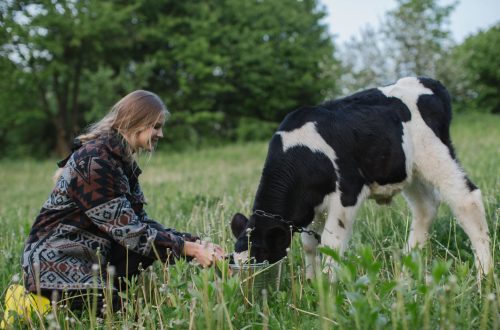
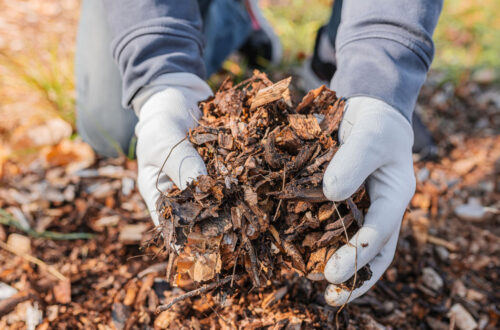
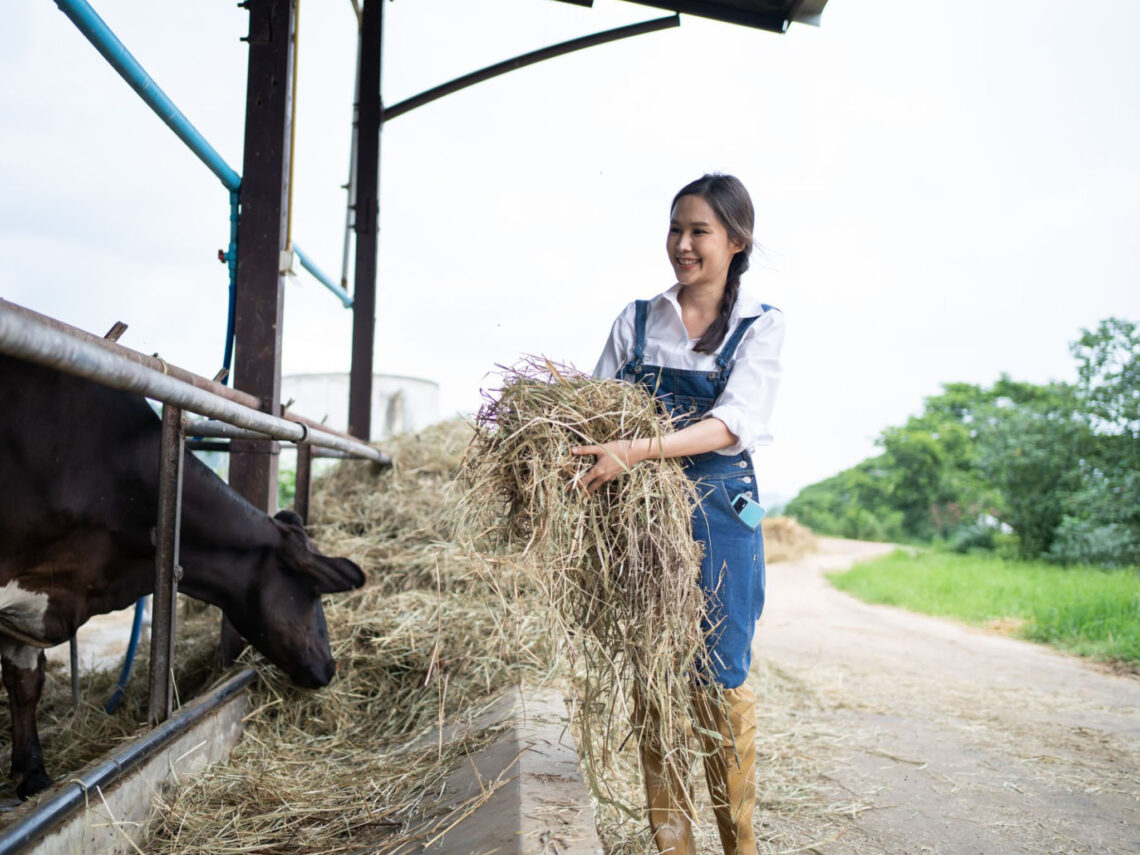
Raising young livestock through the fall and winter months comes with unique challenges. Calves, lambs, kids, and foals are particularly vulnerable to cold stress, damp conditions, and wind exposure. Even small dips in body temperature can weaken their immune systems, slow growth, and increase the risk of disease. For ranchers and small-scale producers alike, preparing the right environment is just as important as proper feeding and veterinary care. In this guide, we’ll explore how to safeguard young animals with smart bedding choices, effective windbreaks, and reliable shelter strategies. Why Protection Matters for Young Stock Newborn and juvenile animals lack the fat reserves and thick coats that help adults withstand cold…
-
Cold-Weather Calving Prep: What Ranchers Should Do Now
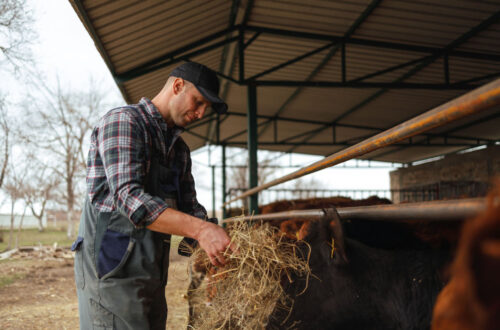
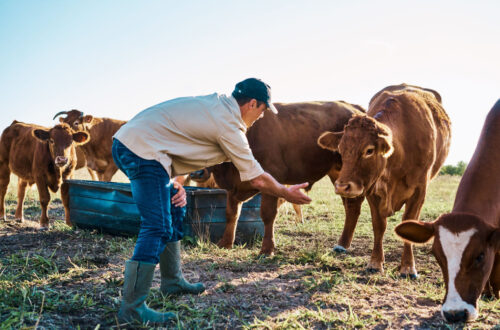
For cattle producers across much of the United States, the transition from fall into winter brings both opportunities and challenges. While cooler temperatures can reduce pest pressure and disease risks, they also signal the beginning of calving season for many herds. Preparing early is essential—not just to protect vulnerable calves, but also to maintain the health of the entire herd and minimize economic losses. In this guide, we’ll walk through what ranchers should be doing now to prepare for cold-weather calving, from nutrition adjustments to facility readiness. 1. Evaluate Body Condition of Cows One of the most critical factors for successful calving in winter is ensuring cows are in the…
-
Overseeding Pastures: Boosting Forage Growth Before Frost Arrives
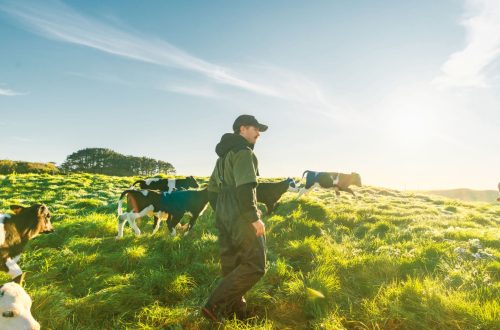
As fall approaches, many livestock owners and land managers begin thinking about how to make the most of their pastures before the cold sets in. One of the most effective strategies is overseeding—the practice of sowing new forage seeds into existing pastures without fully tilling or replanting. Overseeding not only extends grazing opportunities but also improves pasture health, reduces bare patches, and provides nutrient-rich forage for livestock when it’s needed most. In this guide, we’ll explore why overseeding in early fall is so effective, the best forage varieties to consider, and step-by-step tips for getting the most out of your pastures before frost arrives. Why Overseeding Matters in Fall Overseeding…
-
Preparing Barns and Shelters: Livestock Comfort in Cooler Nights
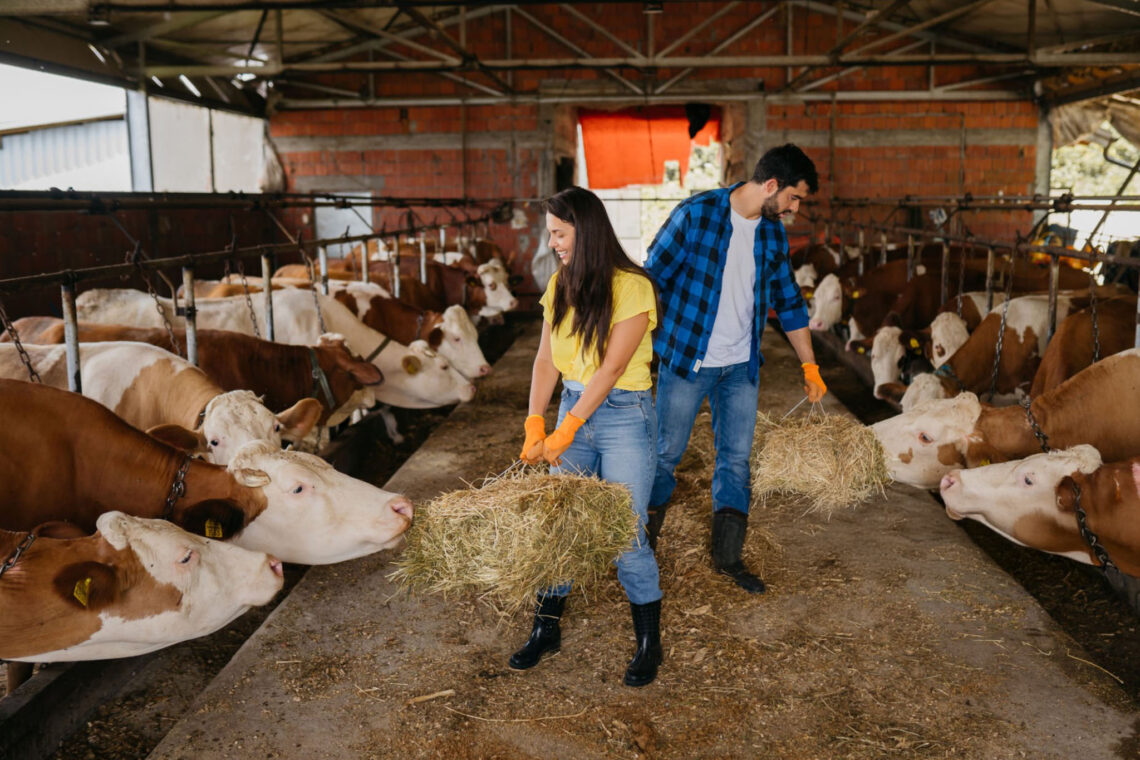
As autumn settles in, the days may still bring warmth, but the nights grow noticeably cooler. For livestock owners, this shift means it’s time to make sure barns and shelters are ready to keep animals safe, comfortable, and healthy. Preparing your facilities before temperatures drop not only prevents stress but also boosts productivity and reduces health risks. Let’s look at practical steps ranchers and small-scale farmers can take to ensure livestock comfort during those chilly fall nights. Why Livestock Comfort Matters in Fall Livestock are hardy, but sudden swings in temperature—warm afternoons followed by cold nights—can put unnecessary strain on their bodies. Stress from cold can reduce weight gain, milk…
-
Fall Pruning Guide: What to Trim Now and What to Leave Until Spring
As the leaves start to drop and gardens settle into dormancy, many homeowners grab their shears and begin snipping away at trees and shrubs. While fall may seem like the perfect time to tidy up, not every plant benefits from pruning this season. In fact, cutting back the wrong species too early can cause stress, reduce blooms, or even invite winter damage. This fall pruning guide will help you decide what to trim now and what to save for spring, ensuring your garden stays healthy and productive year after year. Why Timing Matters in Pruning Pruning is more than cosmetic—it directly impacts a plant’s growth, health, and ability to flower…
-
Cover Crops for Fall: Protecting and Enriching Your Garden Soil
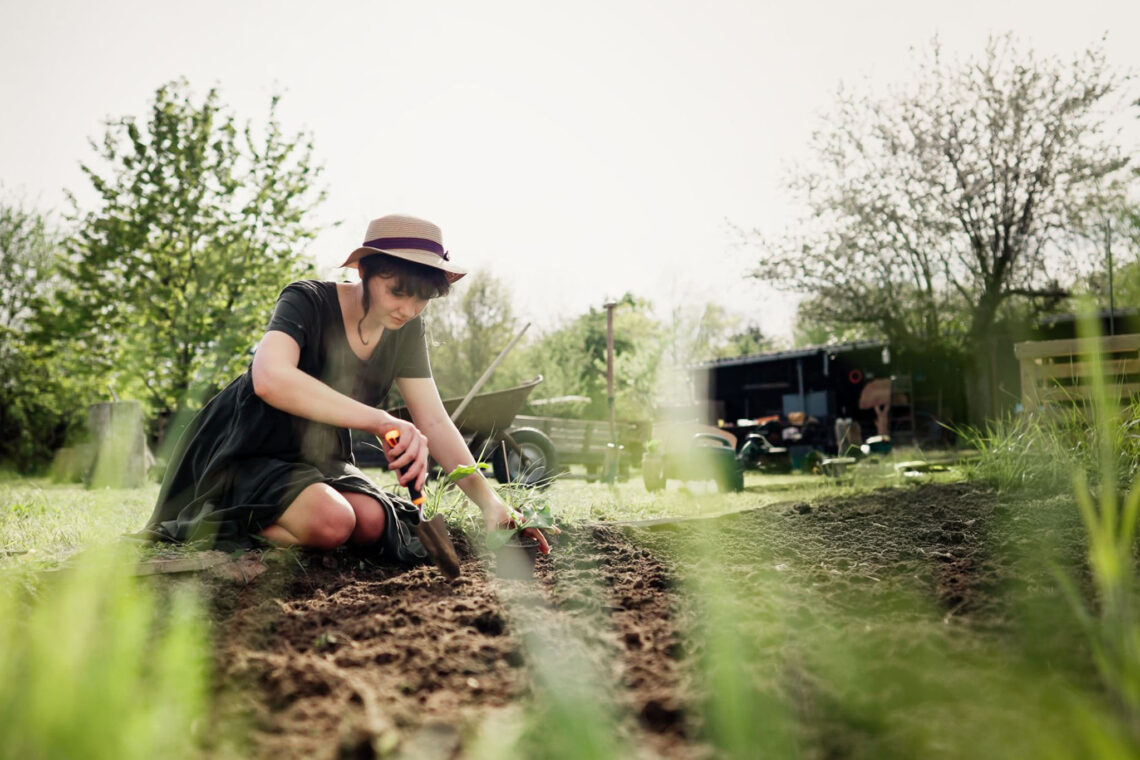
When the vegetable beds empty out after summer harvest, many gardeners think it’s time to put tools away until spring. But in reality, the soil still has work to do—and fall is the perfect season to set your garden up for long-term success. Planting cover crops in fall not only protects your soil from erosion but also enriches it with nutrients, suppresses weeds, and creates a healthier foundation for next year’s crops. Let’s dive into why cover crops matter, which varieties to plant, and how to manage them for maximum benefits. Why Cover Crops Belong in Every Fall Garden Cover crops, sometimes called “green manure,” are plants grown not for…
-
Why Fall Is the Best Time to Plant Trees and Perennials
When most people think of planting trees and perennials, spring usually comes to mind. The season of renewal and growth feels like the natural time to dig holes and watch new plants take root. However, experienced gardeners and landscapers know that fall is actually the best time to plant trees and perennials. The cooler months give plants a head start, allowing them to establish strong root systems before the stress of summer heat arrives. The Science Behind Fall Planting Planting success often comes down to one factor: root development. In spring and summer, plants are busy producing leaves, flowers, and fruit, leaving less energy for root growth. In fall, however,…
-
Fall Garden Gold: Cool-Season Crops Every Homesteader Should Plant
When most people think of gardening, they picture spring planting and summer harvests. But seasoned homesteaders know that fall gardens can be just as rewarding—sometimes even more so. With cooler nights, fewer pests, and the right choice of crops, autumn can produce a bounty of fresh vegetables that thrive where summer crops struggle. For those managing homesteads or backyard plots, fall gardening truly offers “gold” in the form of nutritious, hardy crops that carry well into winter. Why Fall Is a Prime Growing Season The cooler months bring several advantages for gardeners: Leafy Greens That Shine in Fall Leafy greens thrive in the cool, shorter days of autumn. They germinate…
-
Fall Fence Check: Simple Maintenance Steps Before Snow Arrives
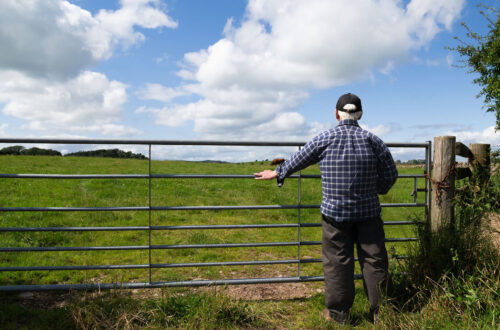
As the days grow shorter and the first frosts creep in, ranchers and homesteaders know one thing for certain: winter is coming fast. Before snow piles up and frozen ground makes outdoor work nearly impossible, it’s essential to perform a fall fence check. A few hours of maintenance in autumn can prevent costly repairs, keep livestock safe, and ensure that your property stays secure all winter long. Why Fence Maintenance in Fall Matters Winter is hard on fences. Heavy snow, ice buildup, and high winds can put immense pressure on posts and wires. Add in wildlife movement and the occasional curious cow, and it’s easy to see why poorly maintained…
-
Preparing Your Pasture for Winter: Fall Grazing Strategies That Pay Off
As autumn settles across the countryside, ranchers and livestock owners know the clock is ticking. The lush green growth of summer begins to slow, and winter feed supplies quickly rise to the top of every rancher’s priority list. While many focus on storing hay and ensuring barns are ready for the cold, one of the most valuable—and often overlooked—steps is maximizing your fall grazing strategy. By managing your pastures wisely in September and October, you can reduce feed costs, protect soil health, and keep your herd in better condition through the colder months. Why Fall Grazing Matters Fall is the bridge between summer’s abundance and winter’s scarcity. Grass growth slows…