pasture
-
Livestock Health Checks Before the Deep Freeze: What to Inspect Now
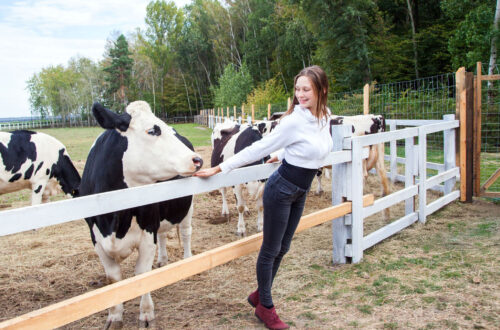
As temperatures drop and the landscape begins to freeze over, livestock health management shifts from daily maintenance to survival mode. Before the deep freeze locks in, ranchers and farmers should take time to perform thorough health checks on every animal, ensuring their herd is ready for the challenges of winter. Cold weather stresses livestock in subtle but serious ways—reducing immunity, altering feeding habits, and increasing the risk of respiratory illness and frostbite. A proactive inspection now can mean the difference between a smooth winter and costly losses. 1. Body Condition Scoring: The First Line of Defense Before winter hits full force, evaluate your animals’ body condition score (BCS). Animals with…
-
Frozen Pastures: Managing Grazing When the Grass Stops Growing
When winter locks your fields in frost and the green fades to brown, managing livestock grazing becomes a challenge of timing, nutrition, and resourcefulness. The growing season may have ended, but your herd’s needs haven’t—and neither has your responsibility to balance soil health, forage availability, and animal performance. Managing grazing after the grass stops growing is all about planning ahead and adapting smartly to what nature provides. Understanding the Dormant Season Once soil temperatures drop below about 40°F, most grasses stop active growth. That means every bite your cattle take from that point forward is eating into your spring regrowth. Overgrazing during dormancy can damage root systems, reduce next season’s…
-
Winter Pest Patrol: Hidden Insects and Rodents You Should Watch For
When temperatures drop and the garden falls quiet, it’s easy to assume pests are gone for good. Unfortunately, many of them don’t leave—they simply go undercover. Winter doesn’t kill off every bug or rodent; instead, it drives them to seek warmth, shelter, and food—often in your barn, greenhouse, or even beneath your mulch. Staying vigilant through winter can prevent infestations that explode once spring arrives. Here’s your complete guide to identifying, managing, and preventing the hidden pests that thrive during the cold months. 1. The Silent Survivors: Understanding Winter Pest Behavior Insects and rodents are more resourceful than most gardeners realize. When frosty weather hits, they shift strategies rather than…
-
The Winter Garden Reset: Cleaning Beds and Prepping for Spring Growth
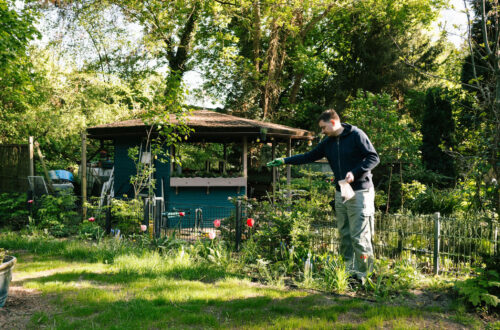
As winter sets in and garden beds fall silent under frost, many gardeners hang up their gloves until spring. But seasoned growers know that winter is the secret season for success. The quiet months are the perfect time to clean, amend, and plan—setting your garden up for vigorous spring growth. A well-executed winter reset not only improves soil health but also minimizes pests and diseases that could threaten next year’s bounty. Here’s how to give your garden the fresh start it deserves. 1. Clear the Beds: Out with the Old Start by removing any leftover plant material from your garden beds. While some gardeners like to leave stalks and stems…
-
The Winter Calving Checklist: Preparation, Protection, and Prevention
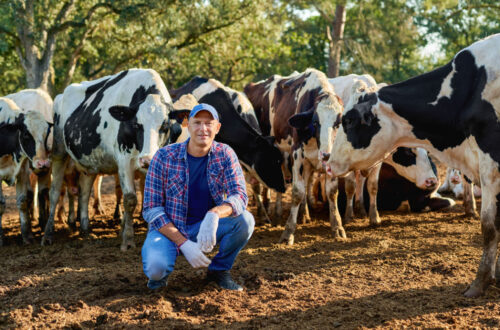
Winter calving can be one of the most rewarding — and demanding — seasons on the ranch. Between freezing temperatures, unpredictable weather, and the constant balance between cow comfort and calf survival, preparation is everything. A smooth calving season doesn’t happen by luck; it’s built through planning, organization, and attention to detail. Whether you’re managing a large herd or a handful of cows, this winter calving checklist covers the essential steps to ensure healthy births, thriving calves, and peace of mind when the mercury drops. 1. Prepare Your Facilities Before the First Due Date A successful winter calving season starts weeks — even months — before the first calf hits…
You May Also Like
Best Boots for Beekeeping and Apiary Work: Waterproof Footwear for Mud, Wet Grass, and Long Hive Days
Best Boots for Christmas Tree Farm Work: Waterproof Footwear for Tree Fields, Mud, Snow, Harvest, and Long Outdoor Days
Why Grazing Efficiency Drops Even When Grass Looks Abundant in Summer
-
Feeding Smarter, Not Harder: Winter Nutrition Strategies for Livestock
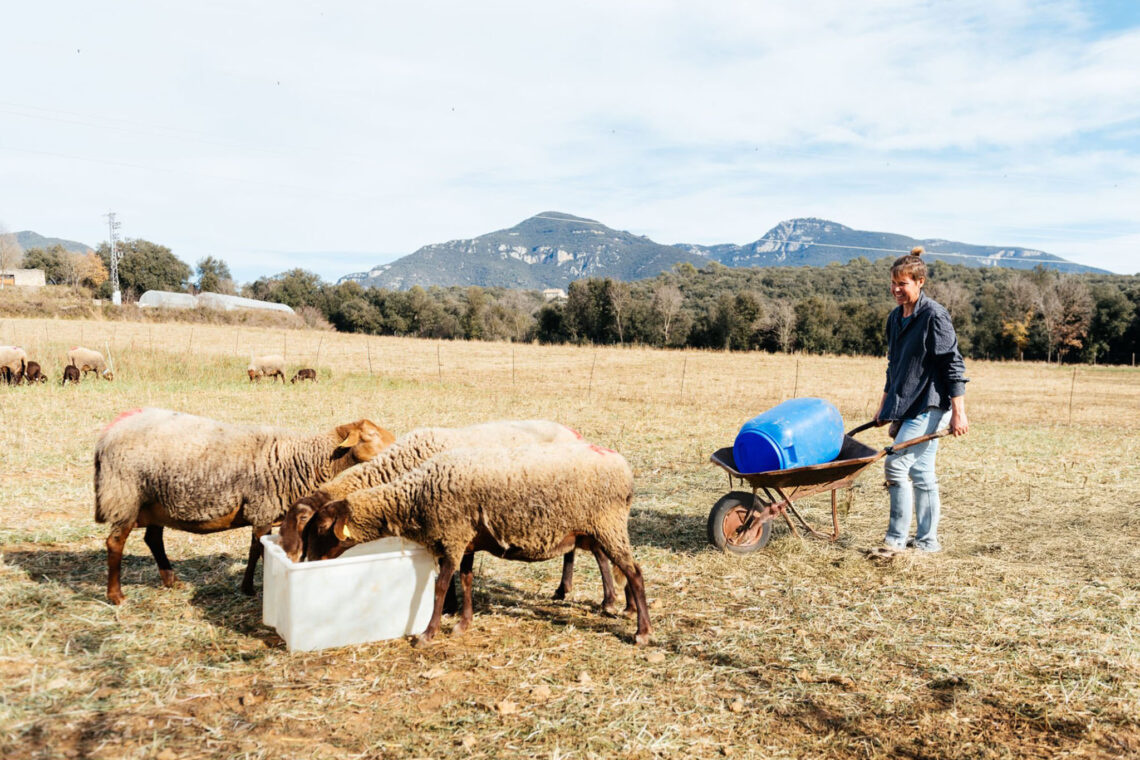
When winter settles across the pastures and the grass stops growing, ranchers face one of the biggest challenges of the year — keeping their livestock healthy, warm, and properly fed. Cold weather increases energy demands, forage quality declines, and water sources freeze, creating a perfect storm for nutritional stress. But with smart planning and science-backed feeding strategies, you can maintain herd health while saving time, labor, and money through the toughest months of the year. 1. Understand Energy Demands in Cold Weather As temperatures drop, livestock expend more energy to stay warm. Cattle, sheep, goats, and horses all have a “lower critical temperature” — the point at which they start…
-
Early Spring Soil Prep: Winter Lessons for Fertile Fields
As winter’s chill fades and the first signs of spring emerge, the health of your soil determines the success of your upcoming planting season. Early spring soil preparation is not just about tilling and planting—it’s about learning from winter conditions, analyzing what your fields endured, and using that knowledge to maximize fertility and crop performance. Understanding Winter’s Impact on Soil Winter can be harsh on farmland, but it also teaches valuable lessons. Frost, snow, and freeze-thaw cycles affect soil structure and nutrient availability: By observing how your soil behaved during winter, you can make better early spring amendments and adjustments for planting. Key Steps for Early Spring Soil Preparation Lessons…
-
Cold-Hardy Crops: Planning a Garden That Survives Snow and Frost
Winter gardening may seem like a challenge, but with the right planning and crop selection, your garden can thrive even under snow and frost. Cold-hardy crops are specially adapted to withstand lower temperatures, allowing gardeners to extend the growing season and enjoy fresh produce when most others are packing away their tools. Understanding Cold-Hardy Crops Cold-hardy crops are plants that tolerate frost and can survive short periods of freezing temperatures without damage. Examples include: These crops have natural mechanisms, like antifreeze compounds in their cells, that allow them to maintain structure and continue growth despite cold conditions. Choosing the Right Varieties Not all varieties of a plant are equally frost-tolerant.…
-
Fencing Fundamentals: Winter Repairs and Reinforcements for Ranchers
Winter on the ranch can be unforgiving—not just for livestock, but also for your fences. Harsh winds, heavy snow, ice, and frost heave can weaken or damage fencing, leaving your animals at risk and increasing repair costs if problems are left unchecked. For ranchers, proactive winter fence maintenance is not optional—it’s essential for protecting livestock and maintaining operational efficiency. Why Winter Fence Maintenance Matters Fencing serves as the backbone of any livestock operation. Weak or broken fences can lead to: Extreme winter conditions exacerbate these risks. Frozen ground can push fence posts out of alignment, while ice accumulation adds weight to wire or wooden structures, causing sagging or breakage. Common…
-
Winter Watering Wisdom: Keeping Your Livestock Hydrated in the Freeze
Winter brings a unique set of challenges for livestock owners, and one of the most critical tasks during the cold months is ensuring that animals stay properly hydrated. Water intake often decreases as temperatures drop, and freezing conditions can make access difficult. Proper winter watering strategies not only maintain animal health but also support productivity and reduce stress on your herd. The Importance of Winter Hydration Water is essential for all physiological processes in livestock. In cold weather, dehydration can occur more quickly than many realize because animals may drink less due to icy water or reluctance to break through ice. Even mild dehydration can negatively impact digestion, milk production…