-
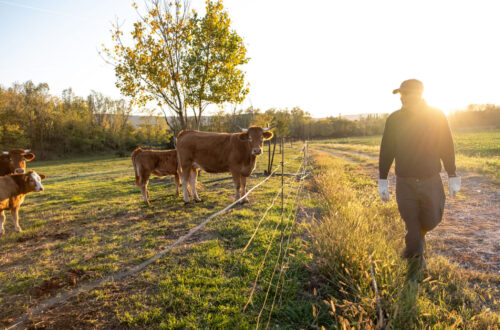
Mud Season Management: Keeping Corrals and Trails in Shape This Fall
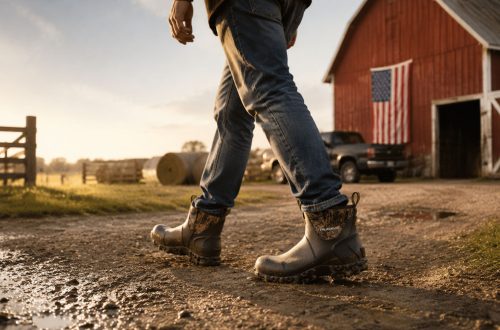
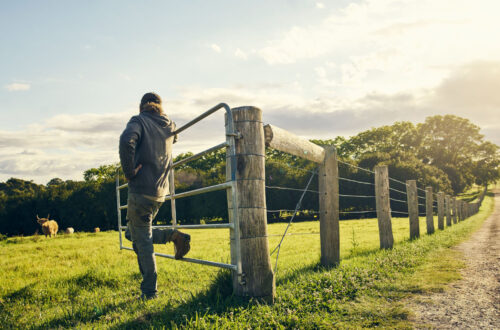
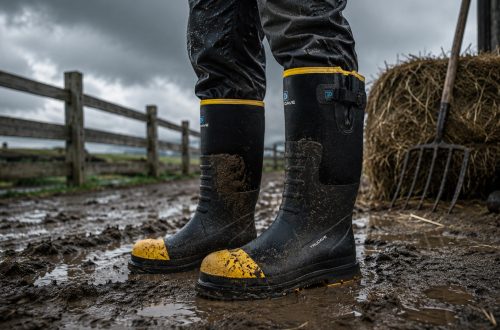
When the first fall rains roll in and the ground begins to soften, ranchers and homesteaders know what’s coming — mud season. Between hoof traffic, feeding areas, and farm vehicles, mud can quickly turn corrals, gates, and trails into slick, soupy messes that damage pastures and endanger livestock. Managing mud isn’t glamorous, but it’s one of the most important tasks to tackle before winter settles in. Smart fall prep can help you maintain solid footing, protect animal health, and preserve your land’s integrity all season long. 1. Understand Where Mud Starts — and Why It Matters Mud forms when water and organic matter mix with compacted soil that can’t drain…
-
Pasture Recovery Plans: How to Keep Grass Productive Through Fall
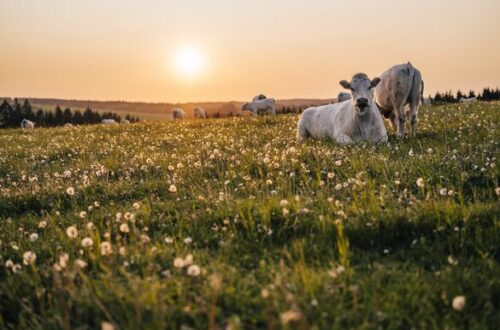
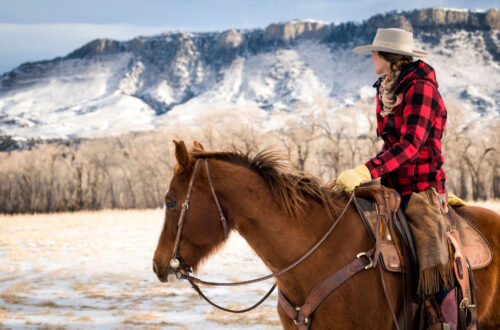
When fall rolls in and the summer heat fades, many ranchers breathe a sigh of relief — but your pastures still have work to do. The weeks between the end of grazing season and the first hard frost are critical for recovery and preparation. Fall pasture management can mean the difference between a thriving forage stand in spring and a weak, weedy field that struggles to feed your herd. Here’s how to keep your grass productive, healthy, and ready for the cold months ahead. 1. Give Pastures a Rest Before Frost Hits One of the biggest mistakes ranchers make in the fall is grazing too late into the season. After…
-
Sustainable Winter Prep: Keeping Both Stock and Soil Thriving
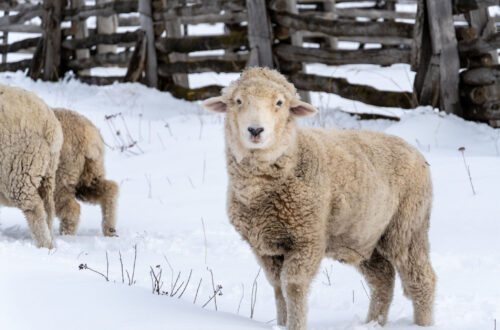
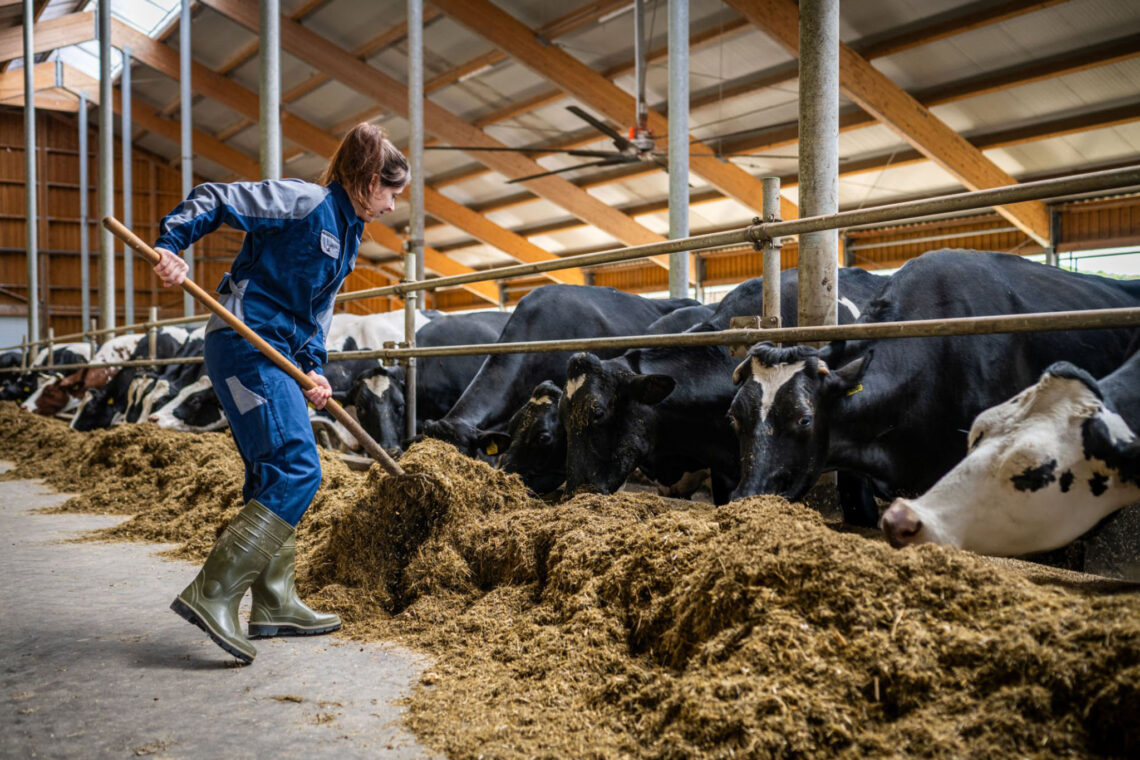
As the days grow shorter and the nights colder, farmers and homesteaders across America turn their attention to one crucial goal — ensuring both livestock and soil make it through the winter strong and ready for spring. Sustainable winter preparation isn’t just about surviving the season; it’s about building a thriving, regenerative system that benefits your animals, your land, and your long-term productivity. Here’s how to balance sustainability, efficiency, and care for both stock and soil during the cold months. 1. Start with a Smart Feeding and Grazing Strategy Winter feeding can easily become one of the most resource-intensive aspects of livestock care. Instead of relying solely on imported feed,…
You May Also Like
Best Boots for Flower Farm Work: Waterproof Footwear for Wet Rows, Morning Dew, Irrigation, and Cut-Flower Harvest
Best Boots for Plant Nursery Work: Waterproof Footwear for Irrigation, Wet Gravel, Mud, and Long Workdays
The 5-Year Rain Boot: How to Make Your Trudave Gear Outlast the Competition
-
Blanket the Beds: How to Use Straw and Leaves for Winter Insulation
When the chill of late fall settles in and frost begins to sparkle on garden soil, most plants are preparing for dormancy. But while your garden might look quiet, the life beneath the soil — roots, microbes, and beneficial organisms — still needs protection. One of the best ways to safeguard your garden through winter is by using straw and leaves as natural insulation. Mulching garden beds in late fall not only helps retain warmth and moisture but also builds soil health for next season’s planting. Here’s how to make the most of what nature gives you — and turn fall’s leftovers into a cozy winter blanket for your garden.…
-
Feed Smarter, Not Harder: Rotational Grazing Before the Snow Hits
As the days grow shorter and the first frosts begin to settle, ranchers across the country start shifting from summer’s abundance to winter preparation. One of the smartest moves you can make before the snow hits is to fine-tune your rotational grazing system. Done right, it keeps cattle well-fed, pastures healthier, and your feed costs under control—all while setting your land up for a strong spring recovery. Why Fall Grazing Management Matters Fall is a critical window for both pasture recovery and livestock condition. Every decision you make now—how long you graze, when you move cattle, and which paddocks you rest—will directly influence how well your forage bounces back next…
-
Shelter Smart: Building Windbreaks That Keep Cattle Comfortable
When the first cold fronts roll across the plains and the wind starts howling through open fields, cattle comfort becomes more than a luxury — it’s a matter of herd health and efficiency. A well-designed windbreak can mean the difference between thriving livestock and stressed, underperforming animals. For ranchers, learning how to build and position windbreaks smartly is one of the most practical winter investments they can make. Why Windbreaks Matter More Than You Think Wind isn’t just uncomfortable — it’s a direct drain on body heat and energy. Cattle exposed to cold winds must burn extra calories just to maintain body temperature. This results in higher feed costs and…
-
The Beauty of Fall Clean-Up: Turning Yard Waste into Garden Gold
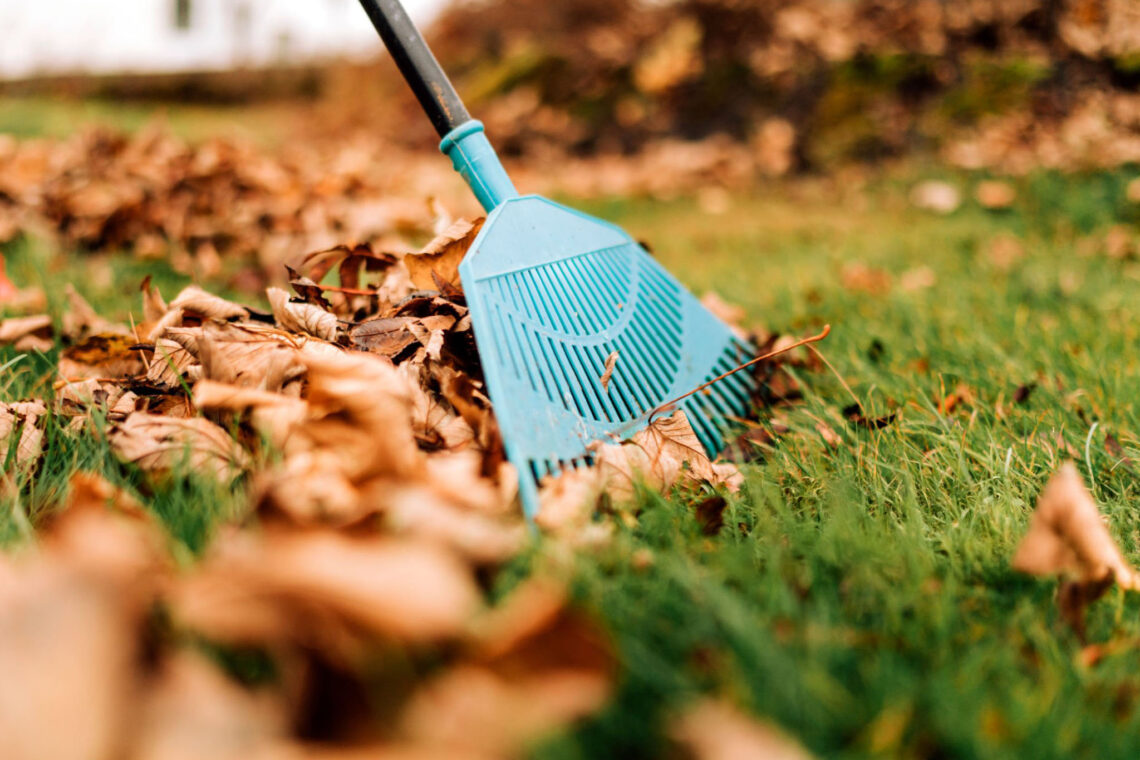
Autumn is a season of transformation — colorful leaves blanket lawns, plants slow their growth, and gardeners begin preparing for winter. While fall clean-up might feel like a chore, it’s actually a golden opportunity to enrich your garden for the coming year. By turning yard waste into compost, mulch, or soil amendments, you can transform seasonal debris into valuable resources for your landscape. This guide explores how to turn fall yard waste into garden gold while keeping your property tidy and sustainable. 1. Why Fall Clean-Up Matters Fall clean-up is more than raking leaves. It’s about preparing your garden to thrive through winter and ensuring it’s ready for spring growth.…
-
Mulch Like a Pro: Insulating Roots and Suppressing Weeds This Fall
Fall is a critical season for gardeners and homesteaders who want to protect their plants, improve soil health, and prepare for the next growing season. Mulching in autumn is one of the most effective ways to achieve these goals. Done right, it insulates plant roots against cold temperatures, reduces weed growth, retains moisture, and enriches the soil over time. This guide breaks down best practices for mulching this fall — from choosing the right materials to application tips — so your garden thrives through winter and into spring. 1. Why Mulching in Fall Matters Mulching is not just a cosmetic touch. In autumn, mulch serves several vital functions: Proper mulching…
-
Reviving Tired Fields: Overseeding and Fertilizing Pastures Before Frost
As the growing season winds down and frost edges closer, many pasture managers face a common challenge — maintaining productivity through winter and setting the stage for a strong spring. Overseeding and fertilizing before frost can breathe new life into tired fields, improve forage availability, and enhance soil health for the year ahead. This guide explores best practices for overseeding and fertilizing pastures in late fall, helping ranchers, farmers, and homesteaders maximize winter forage and prepare for a healthier pasture system. 1. Understanding Tired Pastures Pastures can become “tired” due to: Overseeding and fertilizing before frost helps address these problems by rejuvenating plant growth and improving soil fertility. 2. Timing:…
-
Homestead Efficiency: Small Fixes That Save Big on Winter Feed Costs
As temperatures drop and snow begins to blanket pastures, livestock feeding becomes one of the largest expenses for any homestead or ranch. Winter feed costs can quickly erode budgets, especially in regions with long, harsh winters. Fortunately, a few strategic adjustments can dramatically reduce expenses without sacrificing animal health or productivity. This guide explores practical, cost-saving strategies for homesteaders aiming to stretch winter feed supplies while maintaining healthy livestock. 1. Why Winter Feed Costs Spike Several factors drive winter feed expenses: Understanding these challenges helps homesteaders target effective cost-saving measures. 2. Small Fixes That Yield Big Savings a. Improve Pasture Management Before Winter A healthy pasture entering winter reduces the…